Page 5 - Blog

  1. Hematite: The Crystal for Grounding and Protection

    hematite the crystal for grounding and protection

    Hematite is not just any stone. Known for its deep, metallic luster and grounding properties, this powerful crystal has been used for centuries for protection and balance. But did you know that hematite is not only of value in spiritual practice? It is also used in modern technology, such as the Lifefield Polarizers Pro and the Personal Polarizer Pro from Meditech Europe. Want to discover how hematite can support your energy field? Read on and discover the power of this special crystal and its applications in today's world!

    What is hematite?

    Hematite is a powerful grounding and protective crystal that is directly connected to the energy of the earth. This mineral, with its distinctive metallic luster and deep gray to blackish color, consists of iron oxide and is one of the most important iron ore types in the world. The name hematite is derived from the Greek word haima, meaning “blood”-a reference to the reddish-brown color that appears when the crystal is pulverized. Small amounts of

    Read more »
  2. Parkinson’s Disease: Causes, Symptoms, and Treatment Methods from Various Medical Perspectives

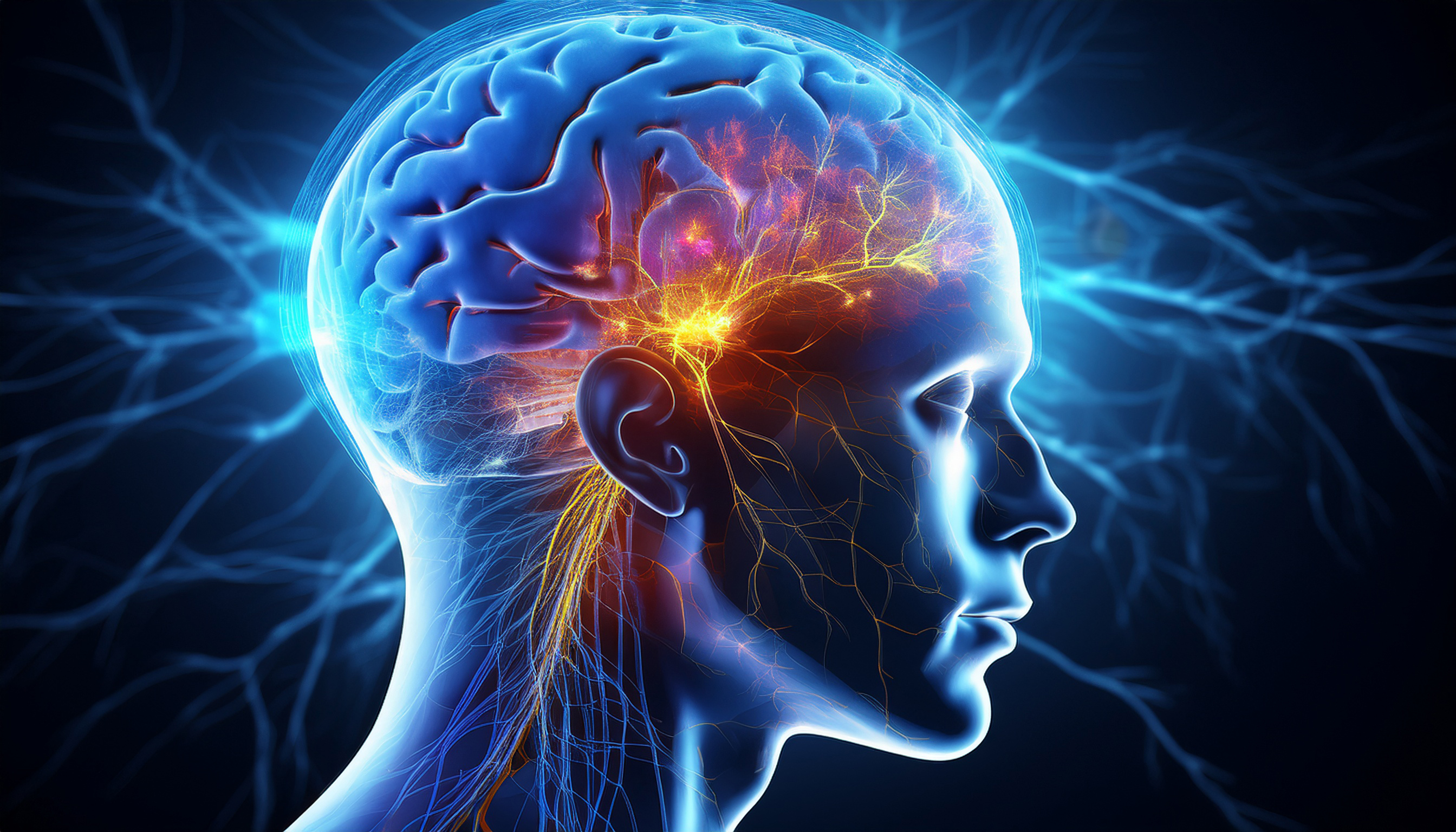
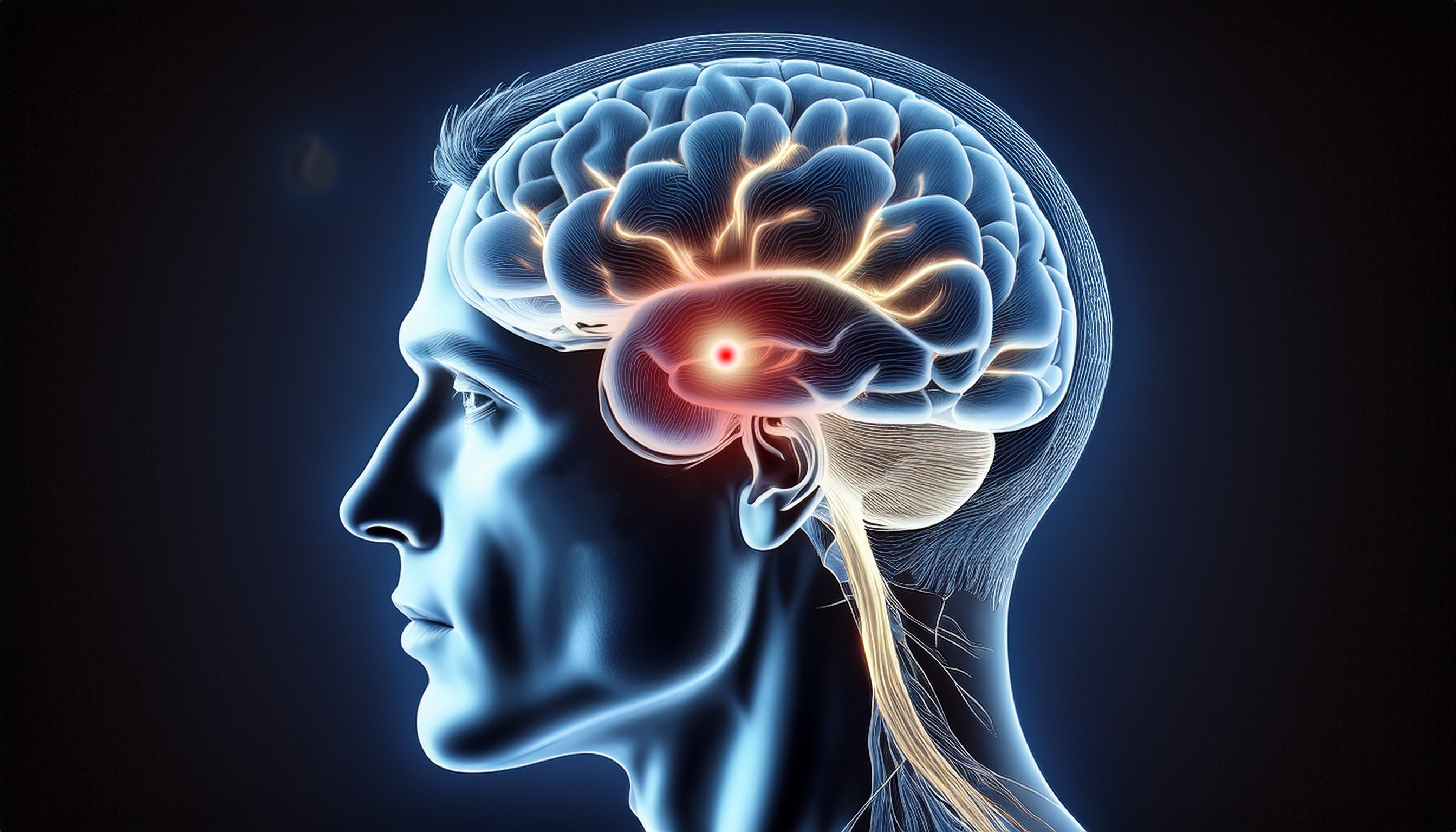
    Brain visualization highlighting the Parkinson-related area (substantia nigra).

    What is Parkinson’s Disease?

    Parkinson’s disease is a chronic and progressive neurological disorder that primarily affects motor function. The condition arises from the degeneration of dopamine-producing cells in the substantia nigra, a region of the brain responsible for motor control. Dopamine is essential for smooth and coordinated movements. A lack of dopamine results in the typical symptoms such as tremors, stiffness, slowness of movement, and balance issues.

    But what exactly causes Parkinson’s? Depending on the medical school of thought, the cause is interpreted differently. In this comprehensive blog, we analyze the causes and symptoms of Parkinson’s disease from various medical perspectives.

    Common Symptoms of Parkinson’s Disease:

    • Tremors, especially at rest

    • Muscle stiffness (rigidity)

    • Slowness of movement (bradykinesia)

    • Postural instability and balance problems

    • Slow speech and reduced facial expression

    • Fatigue, mood changes, and cognitive fluctuations

    Causes of Parkinson’s Disease

    Read more »
  3. The Profound Impact of Bach's St Matthew's Passion: Frequencies, Spirituality, and Emotional Healing

    The Profound Impact of Bach's St Matthew's Passion: Frequencies, Spirituality, and Emotional Healing

    In the serene realm of classical music shines a masterpiece that captivates not only the hearts of listeners but also touches the soul with profound resonance. Johann Sebastian Bach's St Matthew's Passion, a masterpiece infused with spiritual depth and emotional breadth, has inspired and moved people worldwide for centuries. In this comprehensive exploration, we will unravel the astounding influence of this composition, from Bach's own legacy to the modern era, where his musical heritage remains vibrant.

    Johann Sebastian Bach

    Johann Sebastian Bach, born in 1685 in Eisenach, Germany, was a visionary composer who created timeless masterpieces that pushed the boundaries of musical expression. His musical journey began in a time of great change in Europe, and his work embodied the perfect synthesis of tradition and innovation. In addition to St Matthew's Passion, Bach's oeuvre includes a wealth of other compositions that have stood the test of time and are still world-renowned. Some of his

    Read more »
  4. You’ve Been Declared Untreatable: What This Message Truly Does to Your Body

    impact of being told you're untreatable on body and mind

    The Impact of Acceptance: What Happens When You Believe It?

    When someone hears the words "You are untreatable" from a doctor, a chain reaction is triggered in both mind and body. For many, it feels like a definitive verdict. When this message is accepted as absolute truth, the body begins to respond accordingly—biologically, hormonally, and even on a cellular level.

    Brain Activity and Stress

    The message triggers an acute stress response. The limbic system, especially the amygdala, sounds the alarm: the body enters a state of fear and survival. The sympathetic nervous system is activated, leading to increased cortisol (the stress hormone) and adrenaline. The prefrontal cortex—responsible for rational thinking and hopeful planning—is suppressed. People become less solution-oriented and may feel emotionally paralyzed.

    Hormonal and Enzymatic Changes

    Activation of the HPA axis (hypothalamic-pituitary-adrenal axis) leads to prolonged elevated cortisol levels. This suppresses the immune system,

    Read more »
  5. Alzheimer's Disease: Causes and Symptoms from Different Medical Perspectives

    Alzheimer's Disease: Causes and Symptoms from Different Medical Perspectives

    What is Alzheimer's Disease?

    Alzheimer’s disease is a progressive neurological condition that affects memory, thinking, and ultimately daily functioning. It is the most common form of dementia and is characterized by the buildup of amyloid plaques and tau proteins in the brain, leading to nerve cell damage and cognitive decline. But what exactly causes Alzheimer’s? Depending on the medical perspective, the causes are interpreted differently. In this comprehensive blog, we analyze the causes and symptoms of Alzheimer’s disease from various medical viewpoints.

    Common Symptoms of Alzheimer's Disease:

    • Memory loss, especially of recent events

    • Confusion and disorientation

    • Difficulty with language and communication

    • Loss of logical thinking and problem-solving skills

    • Mood and behavioral changes

    • Loss of independence in daily activities

    Causes of Alzheimer's Disease from Different Medical Perspectives

    Western Medicine: Amyloid Plaques and Genetic Factors

    In Western medicine, Alzheimer’s is seen as

    Read more »
  6. Diabetes Mellitus: Causes and Symptoms from Different Medical Perspectives

    Illustration of the digestive system with focus on the pancreas, which plays a central role in the regulation of insulin and blood sugar in diabetes.

    What is Diabetes Mellitus?

    Diabetes mellitus, commonly known as diabetes, is a chronic metabolic disorder characterized by an impaired blood sugar balance due to insufficient insulin production or decreased cellular sensitivity to insulin. Diabetes is classified into different types, with type 1 and type 2 being the most common. Type 1 is an autoimmune disease where the body stops producing insulin, whereas type 2 is often caused by insulin resistance due to an unhealthy lifestyle and genetic predisposition.

    If not properly managed, diabetes can lead to serious complications, including damage to blood vessels, nerves, and organs such as the heart, eyes, and kidneys. But what exactly causes diabetes? Depending on the medical perspective, the causes are explained differently. In this comprehensive blog, we analyze the causes and symptoms of diabetes mellitus from various medical viewpoints.

    Common Symptoms of Diabetes Mellitus:

    • Excessive thirst and frequent urination

    • Extreme fatigue

    • Unexplained

    Read more »
  7. Vitakruid Elite Creatine Complex: The Ultimate Supplement for Muscle Building and Performance

    Man at racetrack with Vitakruid Elite Creatine Complex from Meditech Europe

    Increase your sports performance with Vitakruid Elite Creatine Complex. Want to get more out of your workouts and improve your muscle strength? Creatine is one of the most researched and effective supplements for athletes. Vitakruid Elite Creatine Complex combines the best absorbable creatine with essential minerals and supporting substances that help you maximize your physical performance. Find out in this blog why this advanced creatine supplement is an essential addition to your fitness routine.

    What is Creatine?

    Creatine is a naturally occurring substance in the body that you can obtain in two ways: through your own production from amino acids (arginine, glycine and methionine) or through food such as meat and fish. Because the amount of creatine in food is limited, creatine supplementation can help provide your muscles with extra energy.

    Creatine for Athletes

    Creatine is especially popular among athletes who want to improve their strength and explosiveness. With a daily intake of

    Read more »
  8. Meditation, Brain Waves and the Schumann Resonance

    Relaxed man with brain waves in background, symbolizing brain waves and consciousness

    Brain waves play a crucial role in our state of consciousness - from deep relaxation and sleep to peak moments of clarity and focus. Brain waves can be measured as well as influenced. Meditation can direct these waves in subtle but powerful ways, allowing you to experience more balance and relaxation. But did you know that these frequencies exist not only in our brains, but all around us? From the groundbreaking discoveries of Cade and Coxhead to the mystery of the Schumann frequency, in this blog we dive deeper into the fascinating interplay between meditation, brain waves and the resonance of the earth.

    What are brain waves?

    Brain waves are electrical signals created when nerve cells (neurons) in the brain communicate with each other. These waves have different frequencies, which are often measured using an electroencephalogram (EEG). Depending on the frequency of brain waves, we can identify different mental states, such as relaxation, concentration, sleep or deep meditation. Listed

    Read more »
  9. Multiple Sclerosis (MS): Causes and Symptoms from Different Medical Perspectives

    Multiple Sclerosis (MS): Causes and Symptoms from Different Medical Perspectives

    What is Multiple Sclerosis (MS)?

    Multiple Sclerosis (MS) is a chronic disease of the central nervous system characterized by inflammation and damage to myelin, the protective layer around nerve cells. This disrupts the transmission of signals between the brain and the rest of the body. MS can cause a wide range of symptoms, including muscle weakness, coordination problems, fatigue, and cognitive issues. But what exactly causes MS? Depending on the medical perspective, the cause is interpreted differently. In this comprehensive blog, we analyze the causes and symptoms of MS from various medical viewpoints.

    Common Symptoms of Multiple Sclerosis:

    • Muscle weakness and mobility issues

    • Fatigue

    • Sensory disturbances such as tingling or numbness

    • Vision problems, such as double vision or blurred vision

    • Balance and coordination issues

    • Cognitive difficulties, including memory and concentration problems

    • Bladder and bowel dysfunction

    Causes of Multiple Sclerosis According to Different Medical Perspectives

    Read more »
  10. Crohn's Disease: Causes and Symptoms from Different Medical Perspectives

    Crohn's Disease: Causes and Symptoms from Different Medical Perspectives

    What is Crohn's Disease?

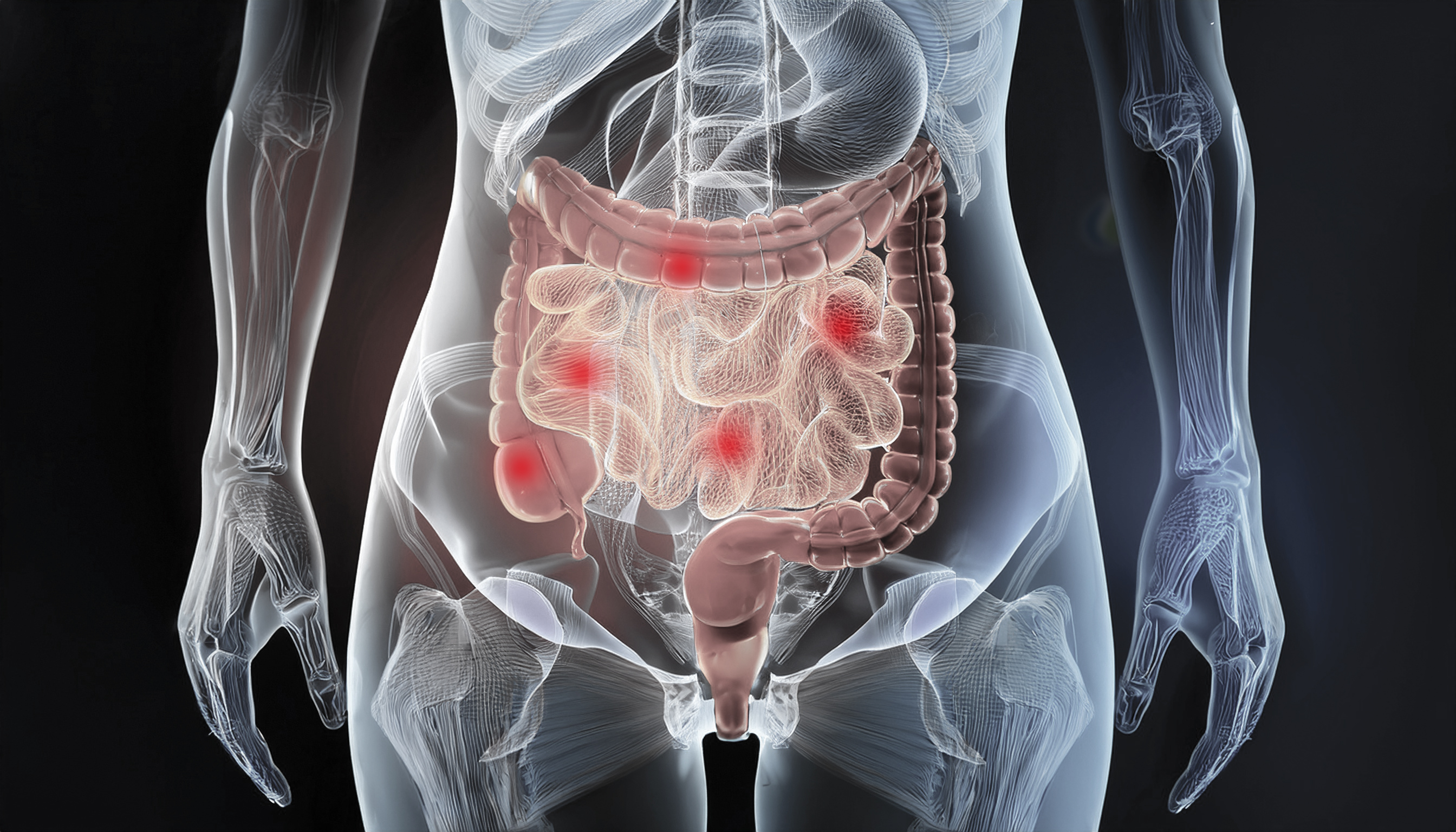
    Crohn's disease is a chronic inflammatory condition that can affect any part of the digestive tract, from the mouth to the anus. It causes symptoms such as abdominal pain, diarrhea, weight loss, and fatigue. But what exactly causes Crohn’s disease? Depending on the medical perspective, the cause is interpreted differently. In this in-depth blog, we analyze the causes and symptoms of Crohn’s disease from various viewpoints.

    Crohn's disease is often confused with ulcerative colitis, another form of inflammatory bowel disease (IBD). The key difference is that Crohn’s can cause inflammation throughout the entire digestive tract, while ulcerative colitis is limited to the colon.

    Common Symptoms of Crohn's Disease:

    • Chronic diarrhea

    • Abdominal pain and cramping

    • Loss of appetite and weight loss

    • Fatigue

    • Blood in the stool

    • Inflammation in other parts of the body, such as joints, eyes, and skin

    Causes of Crohn’s Disease from Different Medical Perspectives

    Western Medicine:

    Read more »
Page
Made with StoreFrame.io Copyright © Meditech Europe