
Blogs about Water
- Posted: 14 October 2026Categories: Blogs about Water
 Read more »
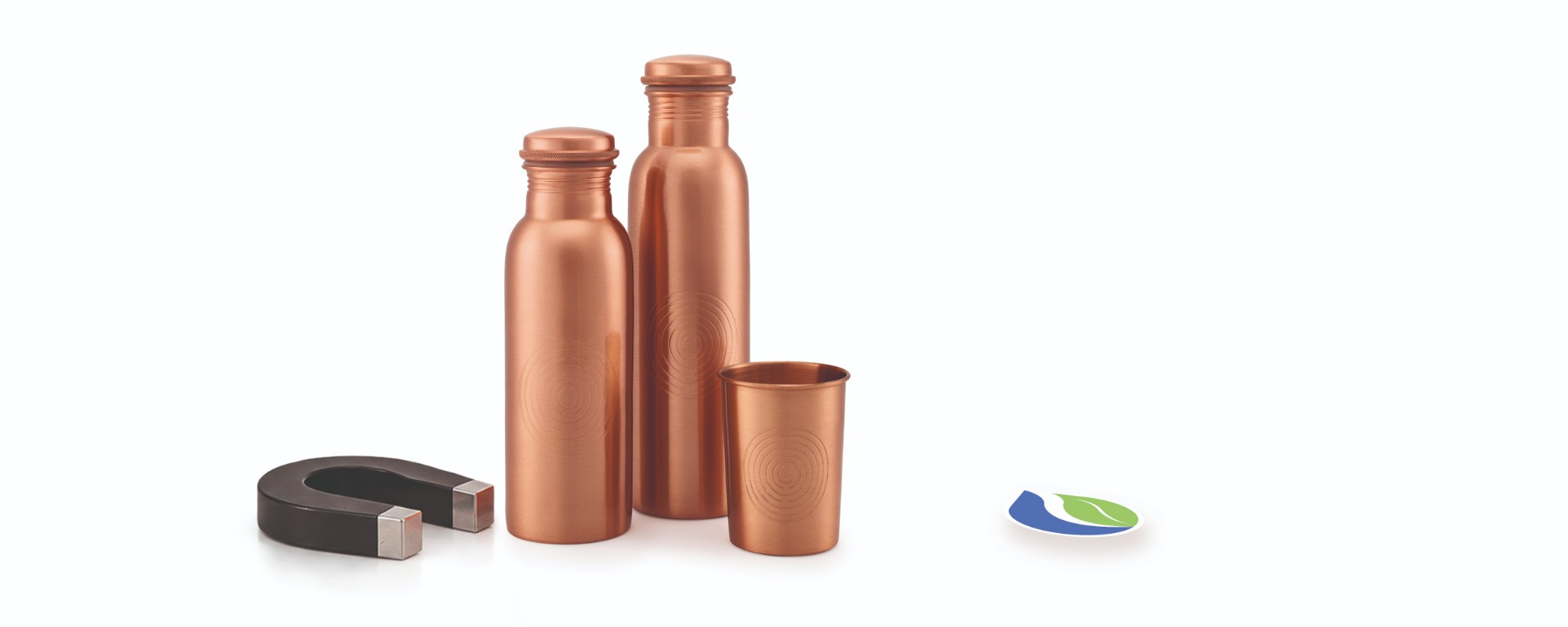
Anyone looking for a copper water bottle or cup soon comes across the question of whether it really is copper. It is a fair question. You cannot see from the outside what a bottle is made of, and copper costs a good deal more than steel or aluminium. Below you can read which tests there are, what they do and do not tell you, and how we had our own bottles and cups tested.
How pure is pure copper?
Pure copper is not one fixed number. Copper of 99.9% and above is mainly used in cables and electronics, because it conducts electricity so well. For a water bottle, something else matters more: strength. Very pure copper is soft. It dents easily and loses its shape in daily use. A small amount of another metal makes the copper harder, so a bottle lasts for years.
Our bottles and cups are made of around 99.1% copper. The rest is mostly zinc, about 0.9%. You will often see "100% copper" too. What people mean by that is a bottle made entirely of copper, without a core of another metal. In practice
 Read more »
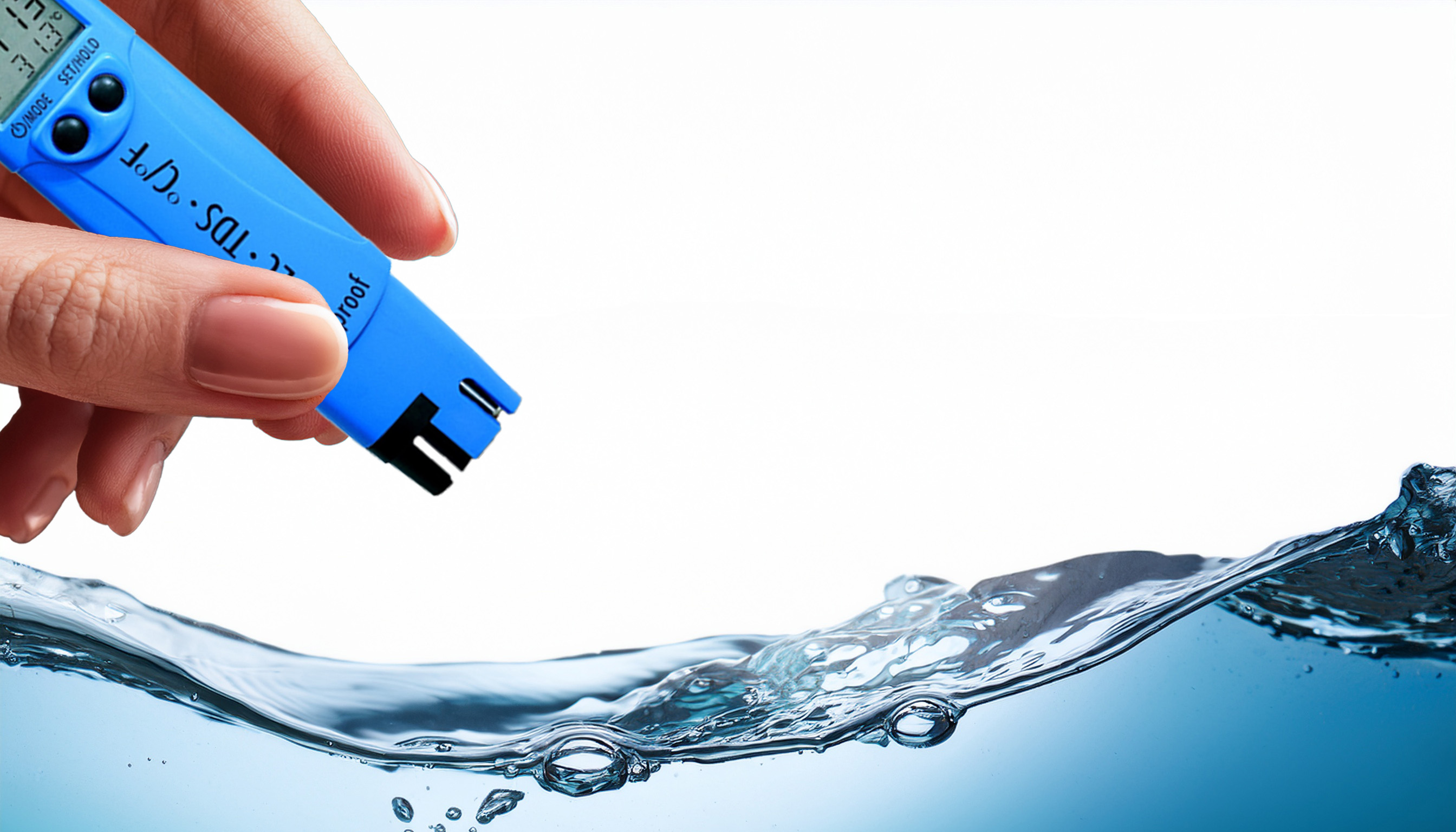
Tap water often looks clear, but appearances are deceptive. The water we drink every day contains numerous dissolved substances: some harmless, while others are less desirable. But how do you know what exactly is in it? And more importantly - what do you want or don't want in your glass? A simple TDS meter gives quick insight, but also raises questions: is a low TDS better? Are minerals good or unnecessary? And which solution suits you - a practical water filter can, or rather a powerful water distiller? Want to know more? Read on quickly.
Introduction: why TDS and water quality are important
More and more people are asking critical questions about the quality of their drinking water. What is actually in tap water? Are minerals in water healthy, or unnecessary? And how do you know if your water is “clean enough”?
A useful measure of water quality is the Total Dissolved Solids (TDS) value: a measurement of the total dissolved solids in water. TDS is often used to gain insight into the purity
- Posted: 26 February 2025
 Read more »
Water, the lifeblood of our planet, is critical to all living organisms. Humans, animals and plants depend on clean and pure water for their survival and well-being. In the Netherlands, a country known for its water management and innovation, the quality of drinking water has long been taken for granted. However, recent studies have shown that even in this well-organized country, contamination of drinking water is a growing problem. This article examines the urgent need for drinking clean and pure water, discusses relevant Dutch research on drinking water pollution and highlights the challenges facing water companies in maintaining drinking water quality in the Netherlands.
Why Clean and Pure Water Is So Important
Water is essential not only for our physical health, but also for our overall well-being. Our bodies are largely composed of water, and it is necessary for the proper functioning of our organs, regulation of body temperature and transport of nutrients. Drinking enough clean water




 Made with