
Monthly Archives: May 2025
 Read more »
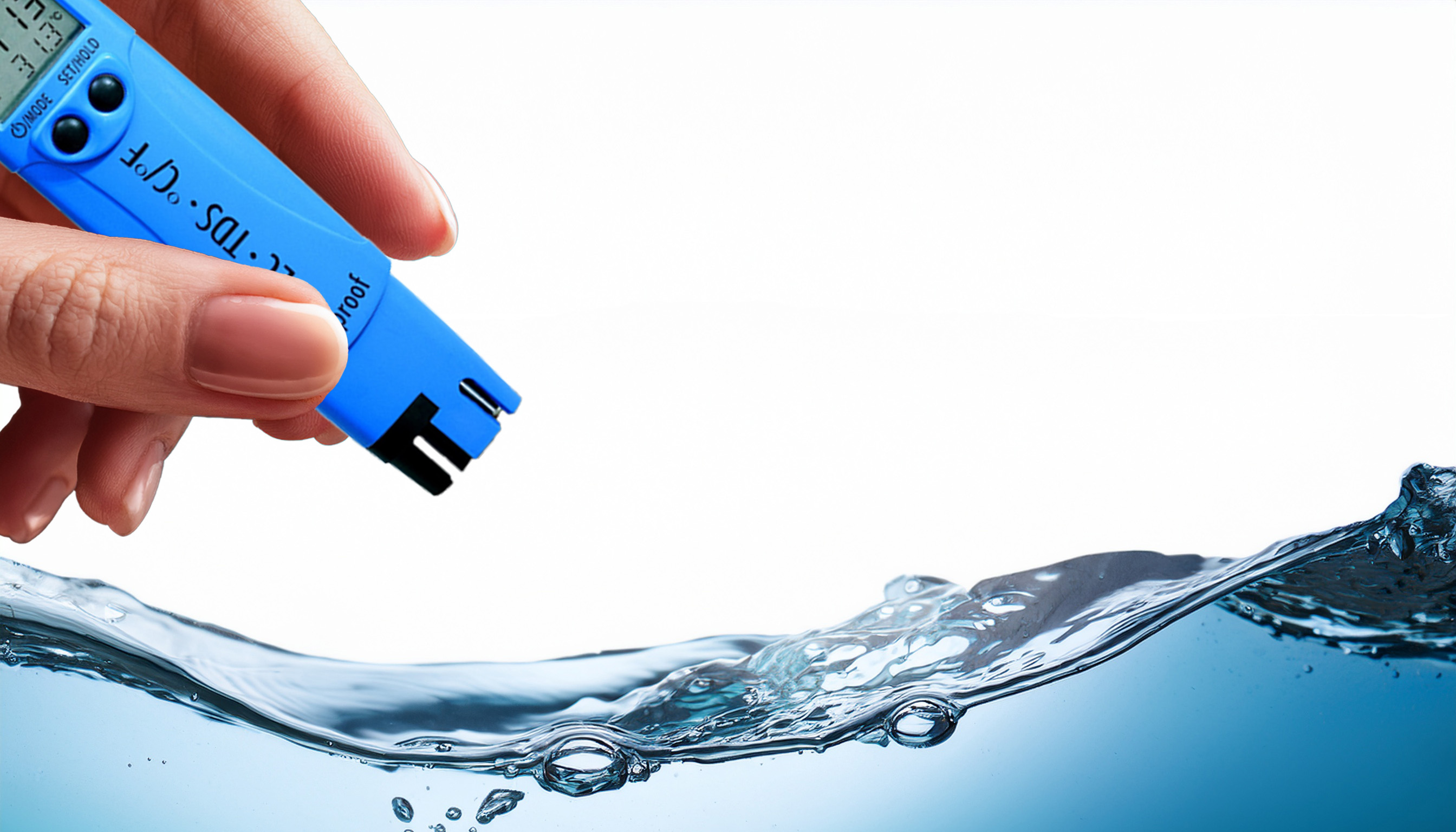
Tap water often looks clear, but appearances are deceptive. The water we drink every day contains numerous dissolved substances: some harmless, while others are less desirable. But how do you know what exactly is in it? And more importantly - what do you want or don't want in your glass? A simple TDS meter gives quick insight, but also raises questions: is a low TDS better? Are minerals good or unnecessary? And which solution suits you - a practical water filter can, or rather a powerful water distiller? Want to know more? Read on quickly.
Introduction: why TDS and water quality are important
More and more people are asking critical questions about the quality of their drinking water. What is actually in tap water? Are minerals in water healthy, or unnecessary? And how do you know if your water is “clean enough”?
A useful measure of water quality is the Total Dissolved Solids (TDS) value: a measurement of the total dissolved solids in water. TDS is often used to gain insight into the purity
- Posted: 7 May 2025
 Read more »
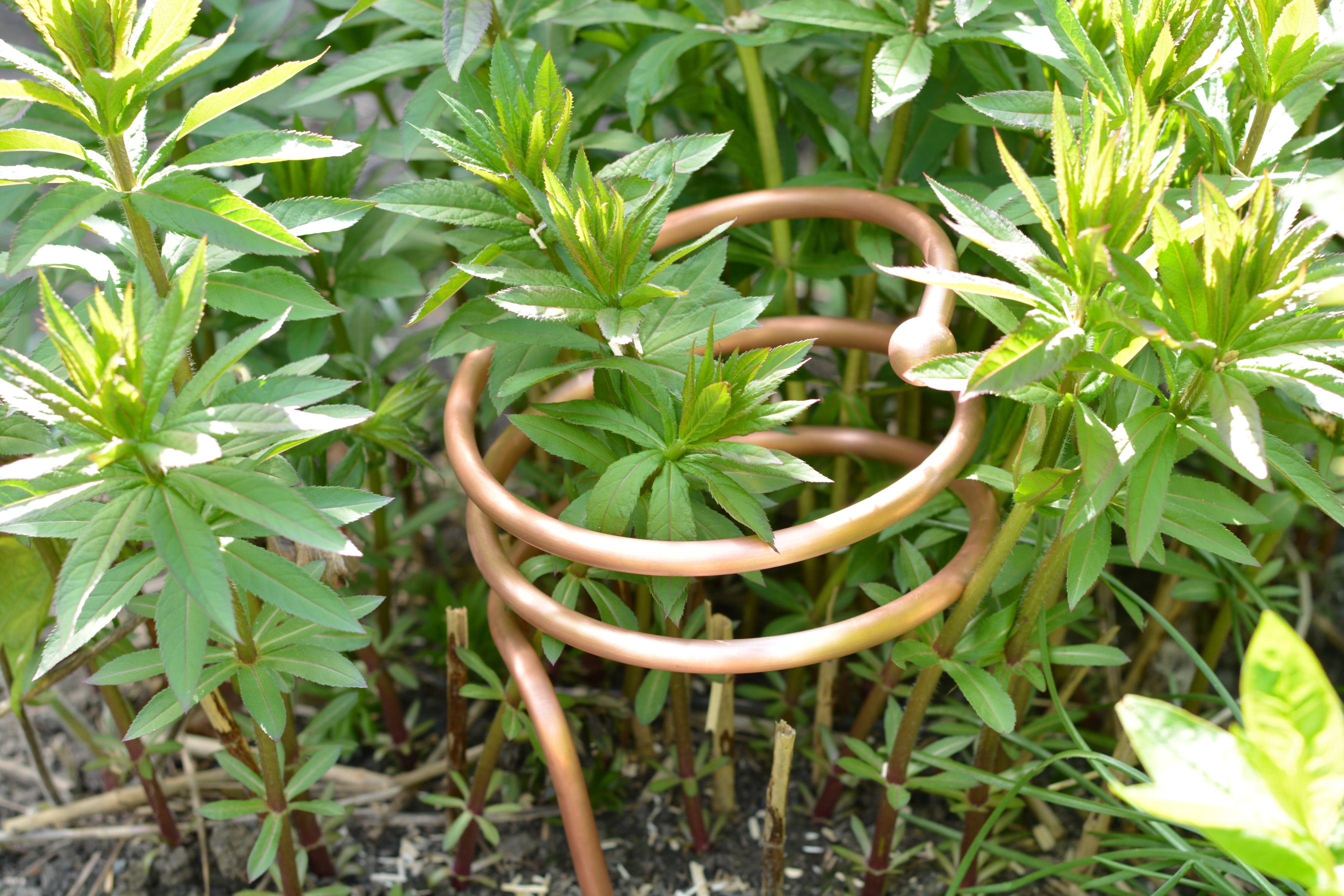
(Updated: April 13, 2026) Electroculture is a method that has once again garnered significant attention among ecological gardeners and researchers in recent years. Although the term may sound futuristic, its foundation is inspired by principles from physics. This technique focuses on harnessing the Earth’s natural electromagnetic and atmospheric energy fields to support plant vitality. In this article, we explore what electroculture is, how pioneers explored this power, and how electroculture in the garden can contribute to healthy soil and resilient crops.
The history: a forgotten technique rediscovered
The principles of electroculture are not new. As early as the 18th century, scientists were experimenting with the influence of electricity on crop growth. One of the best-known pioneers was the Frenchman Justin Christofleau, who, in the 1920s, conducted research into the use of atmospheric energy as a potential alternative to the emerging field of chemical agriculture.
Today, it is primarily

 Made with