

 Copper Russian Pyramid
Starting at €32.50
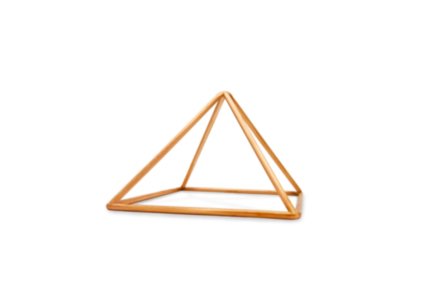 Copper Cheops Pyramid
Starting at €23.50


Explore our collection of energy pyramids in two designs, several sizes and finishes. From the classic Giza or Cheops pyramid to the strikingly steep Russian pyramid, each design has its own geometric proportions and distinctive appearance.
The collection currently consists of copper models, in two sizes per design, available lacquered or unlacquered. The range will grow with new designs and materials. Please consult each product page for its dimensions, finish and suggested uses.
What is an energy pyramid?
An energy pyramid is a three-dimensional model in which geometry, proportion and material are deliberately combined. Within sacred geometry and various energetic traditions, the pyramid shape is believed to collect, concentrate or direct energy.
Energy pyramids—sometimes called energetic pyramids—are used as focal points during meditation and intention work, as objects for creating a conscious atmosphere and when working with water, crystals, seeds or plants. Related terms include pyramid energy, pyramid power and meditation pyramid.
Energetic interpretations are based on traditions, personal experiences and small-scale experiments. Individual experiences and perceived effects may vary.
Giza pyramid or Russian pyramid?
Our collection includes two important pyramid designs: the Giza or Cheops pyramid and the Russian pyramid. These are not simply different sizes of the same model. Their geometric proportions are distinctly different.
Giza, Cheops or Khufu pyramid: harmony and balance
The Giza-style pyramid is based on the proportions of the Great Pyramid of Giza, also known as the Pyramid of Cheops or Khufu. This classic design is comparatively wide and low. Within sacred geometry, it is commonly associated with harmony, stability and a balanced concentration of energy.
Giza or Cheops pyramids are often chosen for meditation and intention work, for placing crystals, water or other objects, and as energetic focal points in homes, treatment rooms or meditation spaces. Their recognisable shape also makes them attractive decorative objects for shelves, tables and altars.
Russian pyramid: dynamic and powerful
The Russian pyramid has a narrower base and is considerably taller and steeper. Its design is inspired by Russian pyramid models and experiments associated with Alexander Golod.
Within energetic traditions, the Russian form is often described as more dynamic, concentrated and powerful in character. Whereas the Giza or Cheops design is usually associated with balance and harmony, some people choose the Russian pyramid for its more intense and directional appearance.
This distinction concerns the geometry and proportions. The material used may vary between individual products.
Copper pyramids: lacquered or unlacquered
Alongside its shape, a pyramid’s material determines its appearance, weight, durability and maintenance requirements. Energetic traditions sometimes associate different materials with different qualities. These interpretations are personal and have not been scientifically established.
Copper pyramids
Copper is durable and an excellent conductor of electricity. A copper pyramid has a distinctive warm colour and may be supplied with a lacquered or unlacquered finish.
A transparent protective coating slows down discolouration and oxidation. Unlacquered copper reacts directly with air, moisture and touch, gradually developing a naturally darker colour or patina.
Other materials
This collection currently consists entirely of copper. A pyramid can equally be made from wood, epoxy resin, stone, crystal or a combination of materials; those versions are not available here yet. This does not change the principle behind the category: the deliberate combination of pyramid geometry, proportion and material.
How are energy pyramids used?
Energy pyramids are used in a variety of personal practices:
- as focal points during meditation and intention work;
- for creating a conscious or harmonious atmosphere;
- for placing crystals, jewellery, water or other objects;
- in personal experiments involving electroculture, plants and seeds;
- as symbolic or decorative objects in homes, practices and gardens.
Some traditions recommend aligning one side of the pyramid’s base with the north–south direction. This is not essential, but may form part of your own experimentation.
Which energy pyramid is right for you?
Begin with the design that appeals to you most. Choose a Giza or Cheops pyramid if you prefer a classic, balanced shape. A Russian pyramid may suit you better if you are drawn to a taller, steeper and visually more powerful design.
Next, consider the size, finish — lacquered or unlacquered — and intended location. There is no single best energy pyramid. The right choice depends on your personal preference, intended use and individual experience.
Explore the current collection and discover which combination of shape, size and finish is right for you.
 Made with