
Blog
- Posted: 19 October 2026Categories: Blogs about Environment
 Read more »
Walking barefoot on the grass, sleeping on a grounding sheet, working with your hand on a grounding mat: in just a few years, grounding has grown from a niche habit into something many people are curious about. You can read all sorts of things about it online. We stick to what can be explained and measured: what happens, in terms of physics, when your body is connected to the earth. It is more interesting than you might think.
What is grounding?
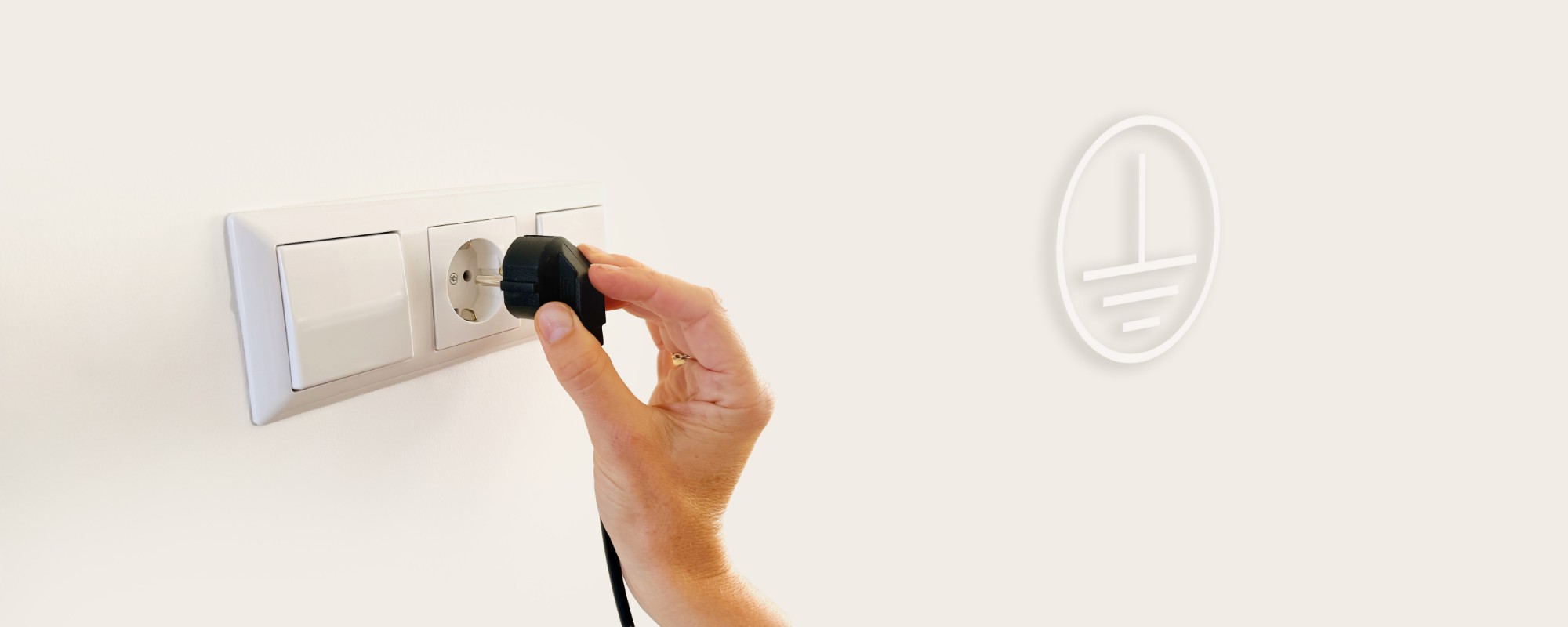
Earthing means connecting something to the earth through a conductor. At home, that is done by the earth wire: the green and yellow wire in every socket, which runs through the consumer unit to the earthing of your house. If the casing of an appliance becomes live, the current flows away through that wire and the RCD switches the circuit off.
By grounding or earthing, people mean grounding themselves: outdoors with bare feet on the ground, indoors with a grounding mat or sheet that is connected to that same earth wire.
What happens when you ground
- Posted: 14 October 2026Categories: Blogs about Multiwave Oscillator
 Read more »
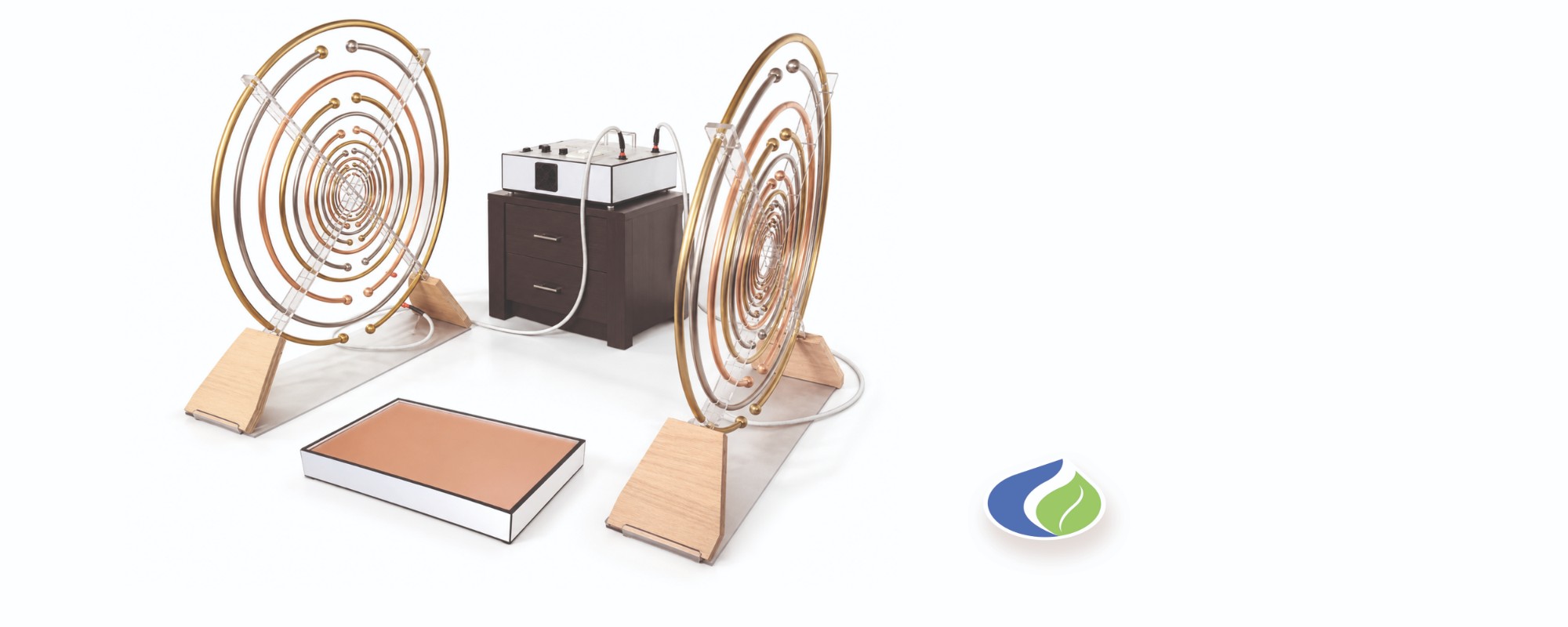
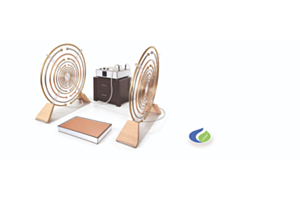
I have been working with the Multiwave Oscillator since 2019. In that time, one question has stayed with me, and it was about copper. Lakhovsky started out with antennas made of pure copper. Later he combined it with brass and stainless steel, and that is how we still build the antennas today. But the copper itself never let go of me. What happens when you extend the setup with a large copper surface, standing on its own, without being connected to anything?
The answer to that question became the CopperWave. Of everything we have made in recent years, this is the part I am most excited about myself. Why, I would rather show you than write it down.
That is why I would like to invite you to come and try the CopperWave for yourself: with us in Emmeloord, in the Netherlands, or in your own home during a demonstration of the Multiwave Oscillator. Below you can already read what it is and how it fits into your setup.
Why copper
Copper was Georges Lakhovsky's material. He worked with open copper
- Posted: 14 October 2026Categories: Blogs about Water
 Read more »
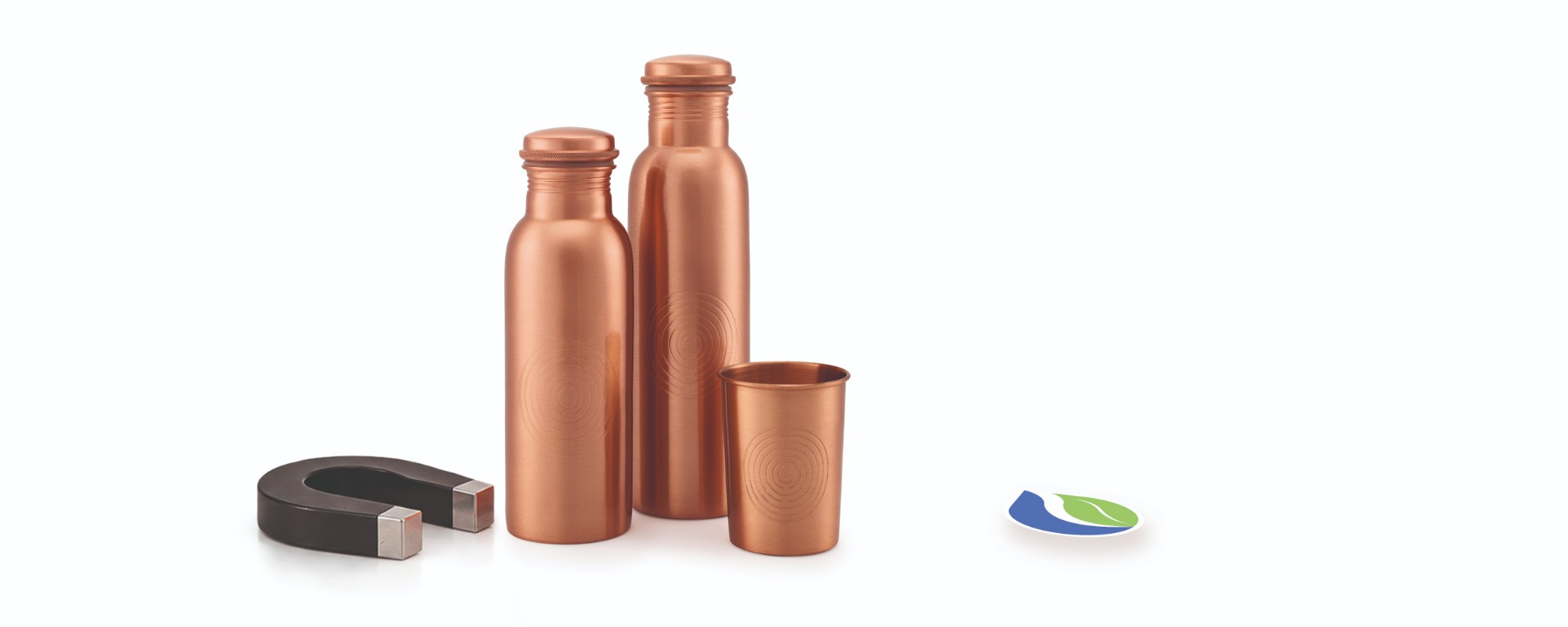
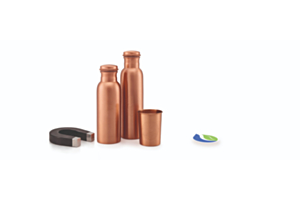
Anyone looking for a copper water bottle or cup soon comes across the question of whether it really is copper. It is a fair question. You cannot see from the outside what a bottle is made of, and copper costs a good deal more than steel or aluminium. Below you can read which tests there are, what they do and do not tell you, and how we had our own bottles and cups tested.
How pure is pure copper?
Pure copper is not one fixed number. Copper of 99.9% and above is mainly used in cables and electronics, because it conducts electricity so well. For a water bottle, something else matters more: strength. Very pure copper is soft. It dents easily and loses its shape in daily use. A small amount of another metal makes the copper harder, so a bottle lasts for years.
Our bottles and cups are made of around 99.1% copper. The rest is mostly zinc, about 0.9%. You will often see "100% copper" too. What people mean by that is a bottle made entirely of copper, without a core of another metal. In practice
- Posted: 6 October 2026Categories: Blogs about Environment
 Read more »
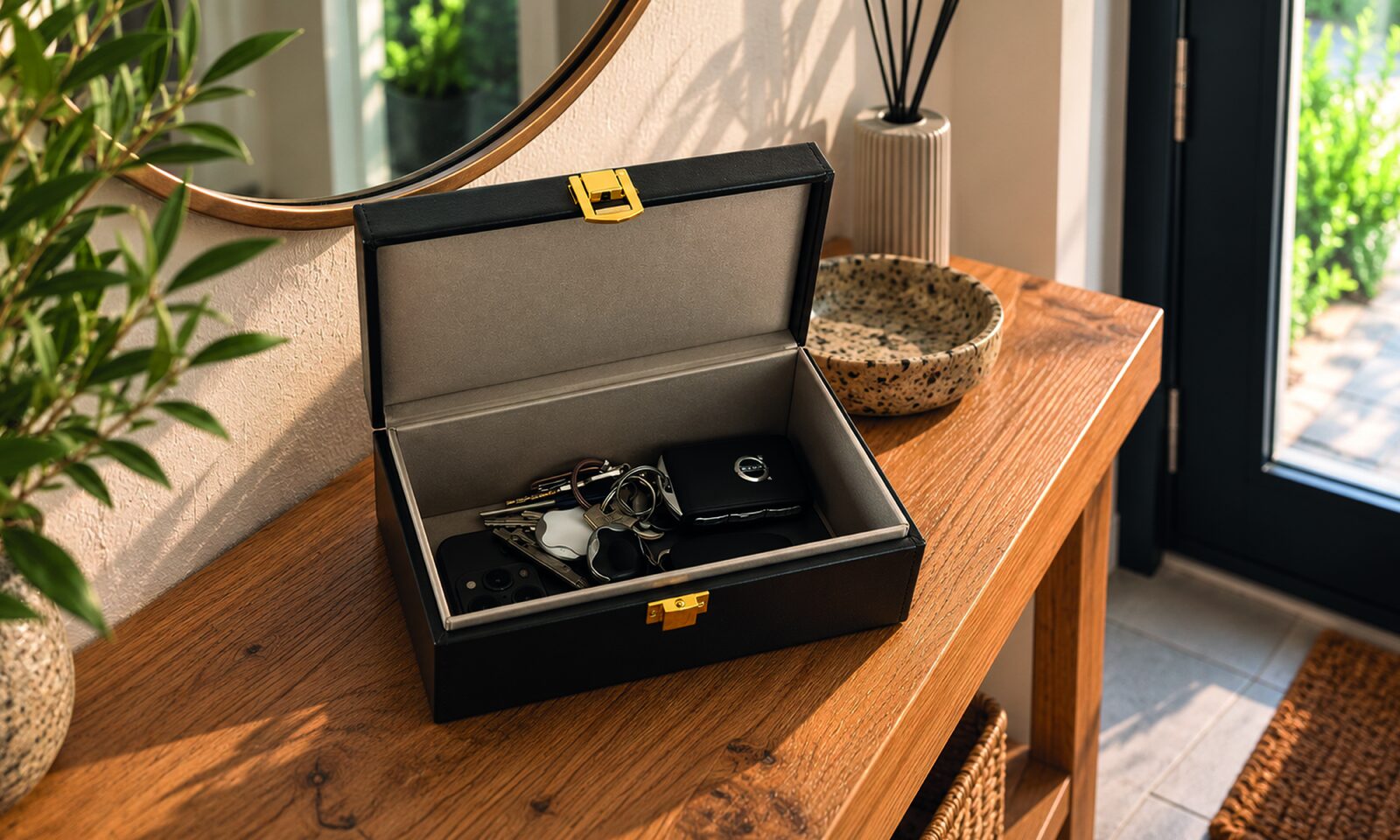
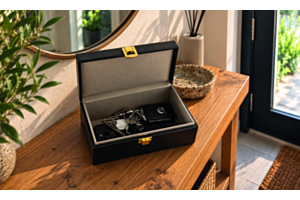
If you have ever sat in a car during a heavy thunderstorm, you will probably have heard it: stay put, you are safe in the car. That is true, but usually for a different reason than people think. It is not the rubber tyres that protect you. It is the metal body around you. It acts as a Faraday cage, and the same principle is at work in things you use every day, from your microwave to the little box you keep your car key in.
How does a Faraday cage work?
In 1836 the scientist Michael Faraday built a room and lined it entirely with metal foil. He exposed the outside to strong electrical charges and stepped inside himself with a measuring instrument. Inside, he measured nothing.
That is the heart of it. A shell of conductive material, such as metal or a fabric containing metal, catches electrical charge and electromagnetic waves on the outside and leads them around the space within. Whatever is inside notices very little. It also works the other way round: a signal sent out from inside the
- Posted: 11 September 2026
 Read more »
The Copper Energy Ball is delivered empty. That surprises people sometimes: you buy a copper sphere and there is nothing inside. Yet that is the idea — what goes in is up to you. Below you will find how much crystal fits inside, and which three stones work well together.
A sphere of copper, and nothing else
The ball is eight centimetres across, made of copper, with a flattened underside so it stays where you put it. It opens and closes. Within energetic traditions copper is seen as a conductive and grounding material, and the sphere as a shape is associated with wholeness and balance, because it has no beginning and no end.
What the ball does beyond that depends on what you put inside. Which is why we deliver it empty.
Why it comes empty
There is no filling that is right for everyone. One person is looking for calm, another wants to feel a little more firmly planted. A fixed combination would make that choice for you, and then it might as well have been any object at all.
There is another
- Posted: 14 November 2025
 Read more »
What is corona in a Multiwave Oscillator?
Some users of the Multiwave Oscillator (MWO) or Tesla coils report seeing a blue glow around the Lakhovsky antennas. This phenomenon is called corona discharge. It occurs when the voltage becomes so high that the air around the antennas ionizes. Although it looks impressive, it is often a sign of energy loss and not proof that the resonance field is stronger or working better.
Why corona is not a positive sign
Corona discharge can make an MWO appear spectacular, but technically speaking, it is actually a sign that the system is out of balance:
Energy loss: voltage leaks into the air instead of contributing to the resonance field.
Resonance disruption: ionization changes the capacity of the antenna and makes the field less stable.
Uncontrolled field lines: instead of a harmonic distribution, random discharges occur.
Material stress: antennas wear out faster due to ozone, heat, and oxidation.
Such a visible corona is therefore not a sign of a “better”
- Posted: 17 July 2025
 Read more »
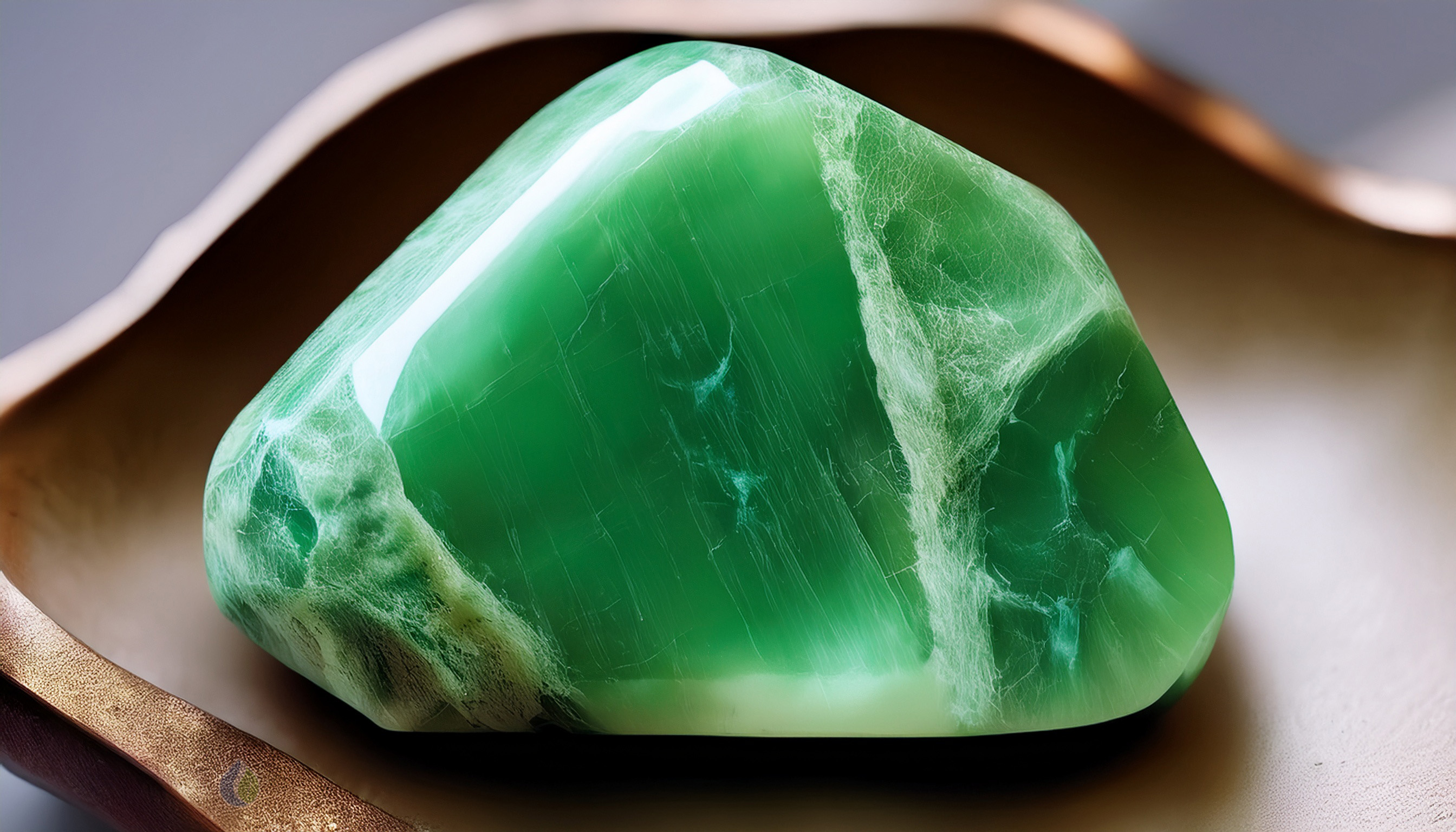
Green, calm, and with a fine glitter as soon as you turn it in the light: aventurine has been a beloved stone for centuries. In many cultures it was seen as a bringer of luck, a stone you carried with you when you started something new. In this blog you will read where aventurine comes from, how it got its name and what it is associated with within energetic traditions. You will also read how you can use green aventurine yourself: loose in the Copper Energy Ball, or built into the LifeField Polarizer Custom Made.
What is aventurine?
Aventurine is a variety of quartz best known for its soft green color and the subtle glitter you see when light falls on it. That glitter comes from tiny inclusions of mica or other minerals. Within energetic traditions aventurine is seen as a symbol of calm, growth and optimism, and in crystal lore it is linked to the heart chakra. In many cultures the stone was also regarded as a bringer of luck: something you kept with you when you set out on a new path.
- Posted: 11 June 2025Categories: Blogs about Multiwave Oscillator
 Read more »
Meditech Europe's Multiwave Oscillator (MWO) is a powerful frequency product that works according to the classical principles of Nikola Tesla and Georges Lakhovsky. It converts 220 volts to high voltages of up to 120,000 volts using a Tesla coil and a mechanical spark bridge. These voltages generate a broad spectrum of frequencies that are transmitted through Lakhovsky antennas.The goal? To optimize the energetic environment based on natural frequency patterns. The MWO is intended for those who study energetics and cellular structures.
Temporary supply halt in 2021
In 2021, the MWO could not be delivered temporarily. The reason: regulations regarding frequency transmission. Meditech Europe therefore decided to recertify, and managed to make the MWO - in exactly the same design - available CE-certified again.
Fables about spectrum modification
Since then, incorrect stories have been circulating: that Meditech Europe would have modified or limited the MWO's frequency spectrum. These statements
 Read more »
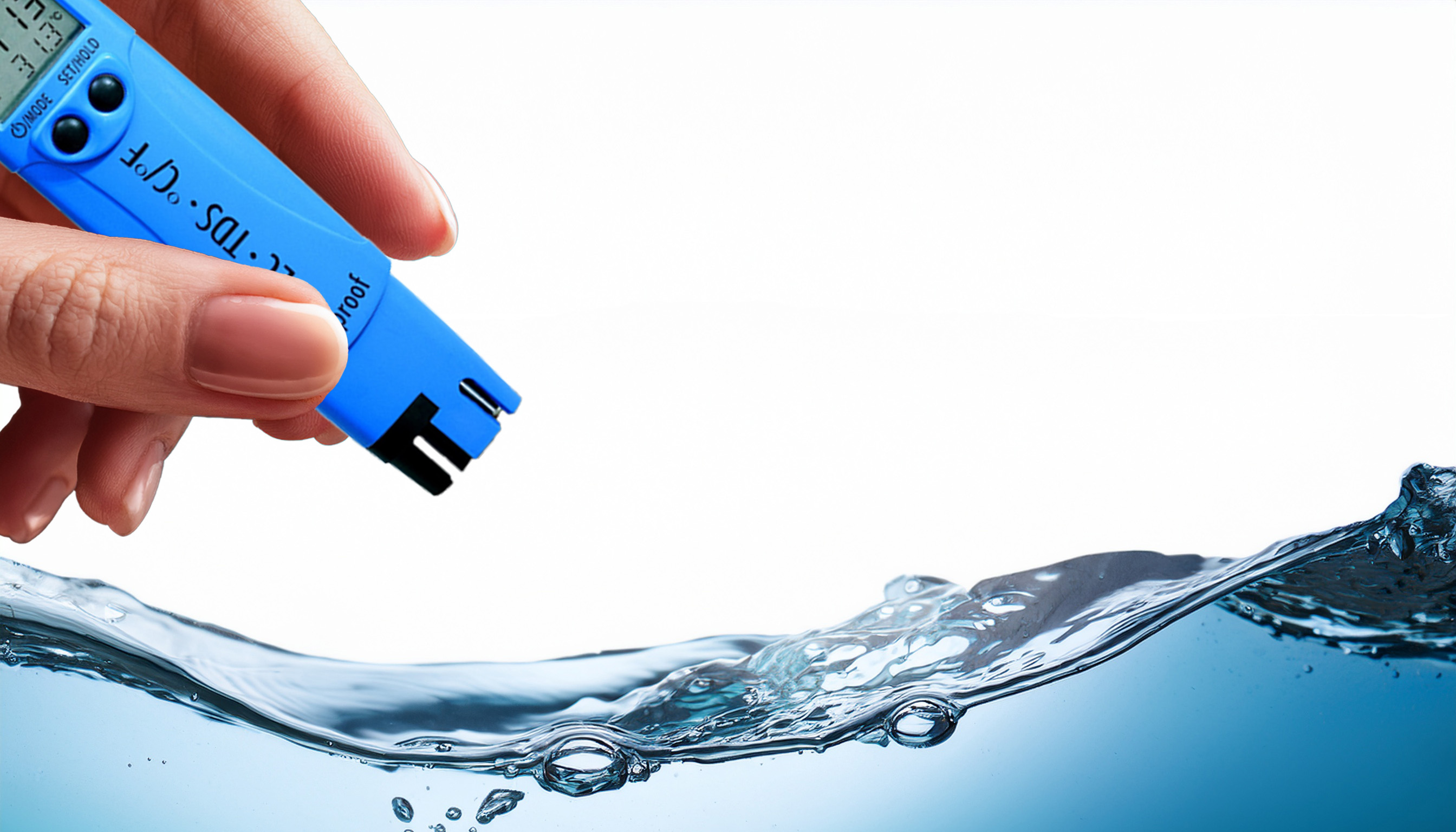
Tap water often looks clear, but appearances are deceptive. The water we drink every day contains numerous dissolved substances: some harmless, while others are less desirable. But how do you know what exactly is in it? And more importantly - what do you want or don't want in your glass? A simple TDS meter gives quick insight, but also raises questions: is a low TDS better? Are minerals good or unnecessary? And which solution suits you - a practical water filter can, or rather a powerful water distiller? Want to know more? Read on quickly.
Introduction: why TDS and water quality are important
More and more people are asking critical questions about the quality of their drinking water. What is actually in tap water? Are minerals in water healthy, or unnecessary? And how do you know if your water is “clean enough”?
A useful measure of water quality is the Total Dissolved Solids (TDS) value: a measurement of the total dissolved solids in water. TDS is often used to gain insight into the purity
- Posted: 7 May 2025
 Read more »
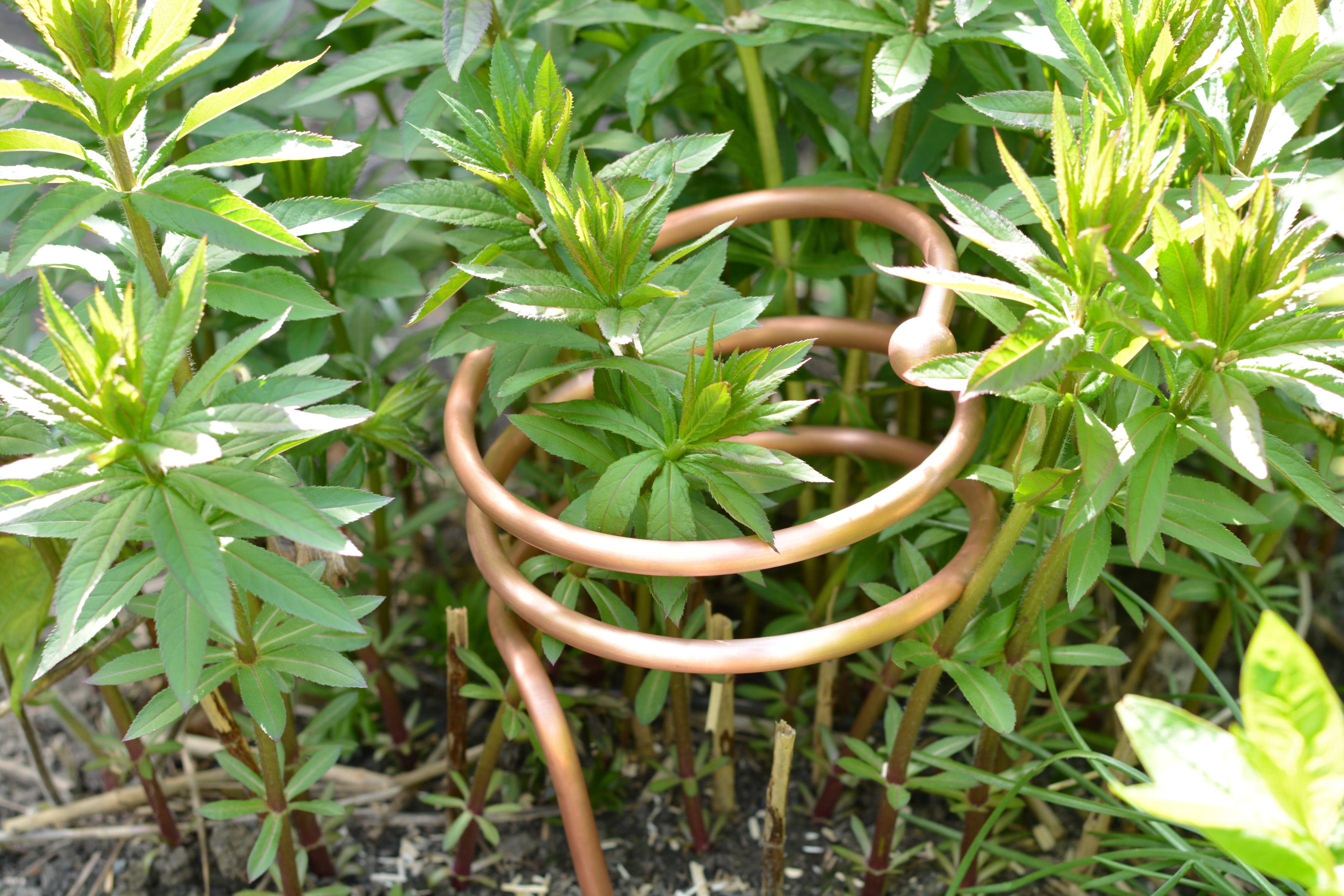
(Updated: April 13, 2026) Electroculture is a method that has once again garnered significant attention among ecological gardeners and researchers in recent years. Although the term may sound futuristic, its foundation is inspired by principles from physics. This technique focuses on harnessing the Earth’s natural electromagnetic and atmospheric energy fields to support plant vitality. In this article, we explore what electroculture is, how pioneers explored this power, and how electroculture in the garden can contribute to healthy soil and resilient crops.
The history: a forgotten technique rediscovered
The principles of electroculture are not new. As early as the 18th century, scientists were experimenting with the influence of electricity on crop growth. One of the best-known pioneers was the Frenchman Justin Christofleau, who, in the 1920s, conducted research into the use of atmospheric energy as a potential alternative to the emerging field of chemical agriculture.
Today, it is primarily

 Made with