Page 2 - Blog

  1. Is a Zinc Supplement right for you? Everything you need to know

    Zinc-rich foods such as chicken, eggs, nuts, seeds, legumes, grains and dairy products

    Zinc is one of those minerals that you often only hear about when there is a deficiency or when your immune system could use a boost. Yet this trace element is essential for countless processes in the body: from a strong immune system and healthy skin to fertility and hormone balance. No wonder people sometimes choose a zinc supplement to support their daily intake. But how do you know if you need extra zinc? What are the real benefits of zinc supplements, and what should you pay attention to when it comes to dosage? In this article, you can read all about the functions of zinc, the symptoms of a deficiency, the different forms of supplements, and possible side effects. This will help you discover, step by step, whether a zinc supplement could be a smart addition for you too.

    What is zinc and why is it important?

    Zinc is an essential mineral: your body cannot produce it itself and is therefore completely dependent on food and possibly supplements. Although you only need small amounts of
    Read more »
  2. Migraine: Causes and Symptoms from Different Medical Perspectives

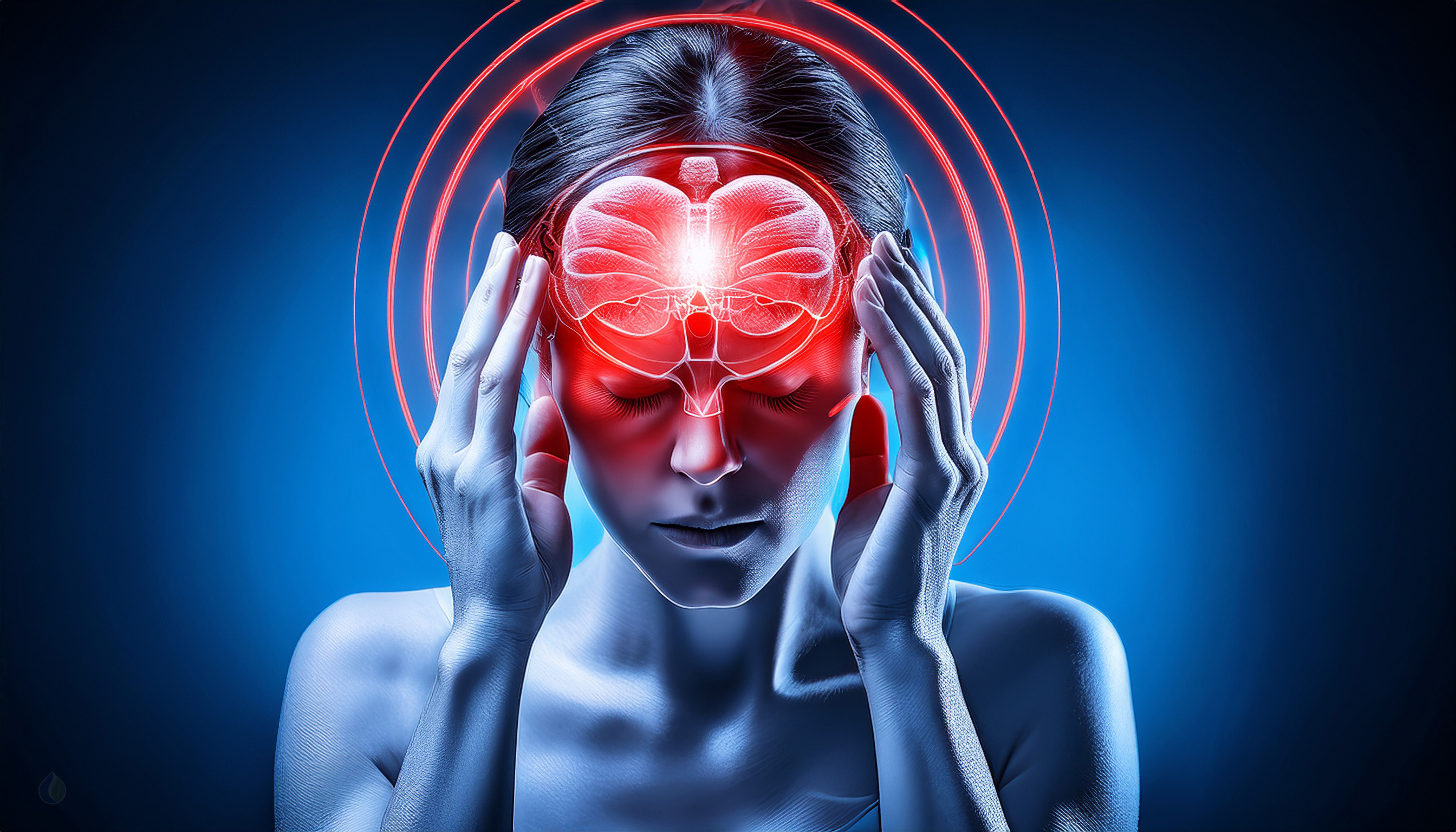
    Woman with migraine holding head, red light highlighting brain pain.

    What is migraine?

    Migraine is a common, chronic brain disorder characterized by recurring, often severe headache attacks. Unlike ordinary tension headaches, migraines are often accompanied by symptoms such as nausea, sensitivity to light and sound, and sometimes visual or physical warning signs, known as aura. The exact cause of migraine is not yet fully understood, but it is believed to be a combination of genetic predisposition, hormonal fluctuations, impaired processing of stimuli in the brain, and influencing lifestyle factors. Known triggers include stress, lack of sleep, bright light, strong smells, and certain foods such as alcohol, chocolate, and mature cheese.

    Common symptoms of migraine

    The symptoms of migraine can vary from person to person and from attack to attack, but the most common symptoms are:

    • Severe, throbbing headache, often on one side of the head

    • Nausea and sometimes vomiting

    • Sensitivity to light, sound, and smells

    • Reduced ability to concentrate during an attack

    • Sometimes

    Read more »
  3. Breathe in the energy of autumn according to Traditional Chinese Medicine

    Autumn forest with sunlight – symbolizing lungs, intestines, and seasonal balance in TCM.

    In Traditional Chinese Medicine (TCM), autumn is the season of reaping, letting go and turning inward. As nature retreats and leaves fall, this season invites us to find balance, strengthen our immune system and clean up emotionally. Lungs, colon, skin and hair are in extra focus during this time. Discover in this blog how to use the wisdom of TCM as well as practical tips from the Western tradition to support your health, so that you can enter the dark months full of vitality.

    The energy of autumn according to TCM

    As the days grow shorter and the air feels fresher, autumn announces itself gently but unmistakably. In Traditional Chinese Medicine (TCM), this is the season when energy turns inward and we prepare for the calm of winter. In TCM, autumn is associated with the element Metal, which represents clarity, structure and the ability to let go of what no longer serves us. Just as trees drop their leaves, we are invited to leave ballast behind and focus on what nourishes and protects

    Read more »
  4. Who benefits from an iodine supplement?

    Iodine-rich foods such as bread, milk, eggs, fish, wheat, and iodine solution on a table.

    Iodine is an important trace element for your body, especially for your thyroid gland. However, some people may be consuming less iodine than they think — for example, due to a changing diet or avoiding iodized salt. In this blog, you can read about what iodine does exactly, who may benefit from extra intake, and when a supplement, such as the Hulda Clark iodine solution, may be worth considering.

    Why iodine is important

    Iodine is an essential trace element that your body needs for normal thyroid function, energy levels, and the nervous system. Iodine also contributes to normal cognitive function and the maintenance of healthy skin. Although we generally got enough iodine in the Netherlands for years through iodized baker's salt in bread, some population groups may now be deficient in iodine. This is due to changing eating habits: people are eating less bread, avoiding dairy products, or choosing non-iodized salts such as Himalayan salt. As a result, some groups of people are at greater

    Read more »
  5. Algae: The New Superfoods from the Sea

    Underwater sunlight shining on a field of green algae on the sea floor – symbol of ocean-based superfoods.

    Welcome to this blog about algae. Algae are single-celled or multi-celled organisms that thrive in a variety of aquatic environments, from lakes to oceans. Although often overlooked, algae are one of the oldest life forms on Earth and contain a wealth of nutrients. There are many types of algae, including Spirulina and Chlorella, two of the most studied and prized algae for their nutritional density and health benefits. Let's take a deep dive into the world of algae and discover why we consider them superfoods.

    What are Algae

    Algae or seaweeds are single-celled or multi-celled organisms that use photosynthesis to convert energy from sunlight into nutrients. They are a diverse group and can be found in a variety of environments, such as oceans, lakes, rivers, and even on moist surfaces such as rocks and trees. Some important characteristics of algae are:

    • Photosynthesis: Algae are capable of photosynthesis, using sunlight to convert carbon dioxide and water into glucose and oxygen. This process

    Read more »
  6. Aventurine: The Crystal of Harmony, Heart Power, and Inner Growth

    Green soft aventurine gemstone

    Gentle energy, deep effect: aventurine is a gemstone that has been known for centuries for its calming influence and ability to bring balance on both a physical and emotional level. With a special connection to the heart chakra and digestion, this stone is a popular choice for those seeking peace, confidence, and a new flow of life energy. In this blog, you will discover the history, properties, and applications of aventurine—and how you can use this special crystal in an energetic tool that is completely tailored to your unique needs: the Lifefield Polarizer Custom Made from Meditech Europe.

    What is aventurine?

    Aventurine is a calming gemstone best known for its soft green color and subtle shimmer, caused by tiny inclusions of mica or other minerals. This stone is often seen as a symbol of peace, balance, and optimism, and in gemstone therapy, it has a strong connection to the heart chakra. Aventurine has been used for centuries to soften emotional blockages, stimulate inner growth

    Read more »
  7. What does Omega 3 do for the heart? Discover the benefits for the heart and blood vessels

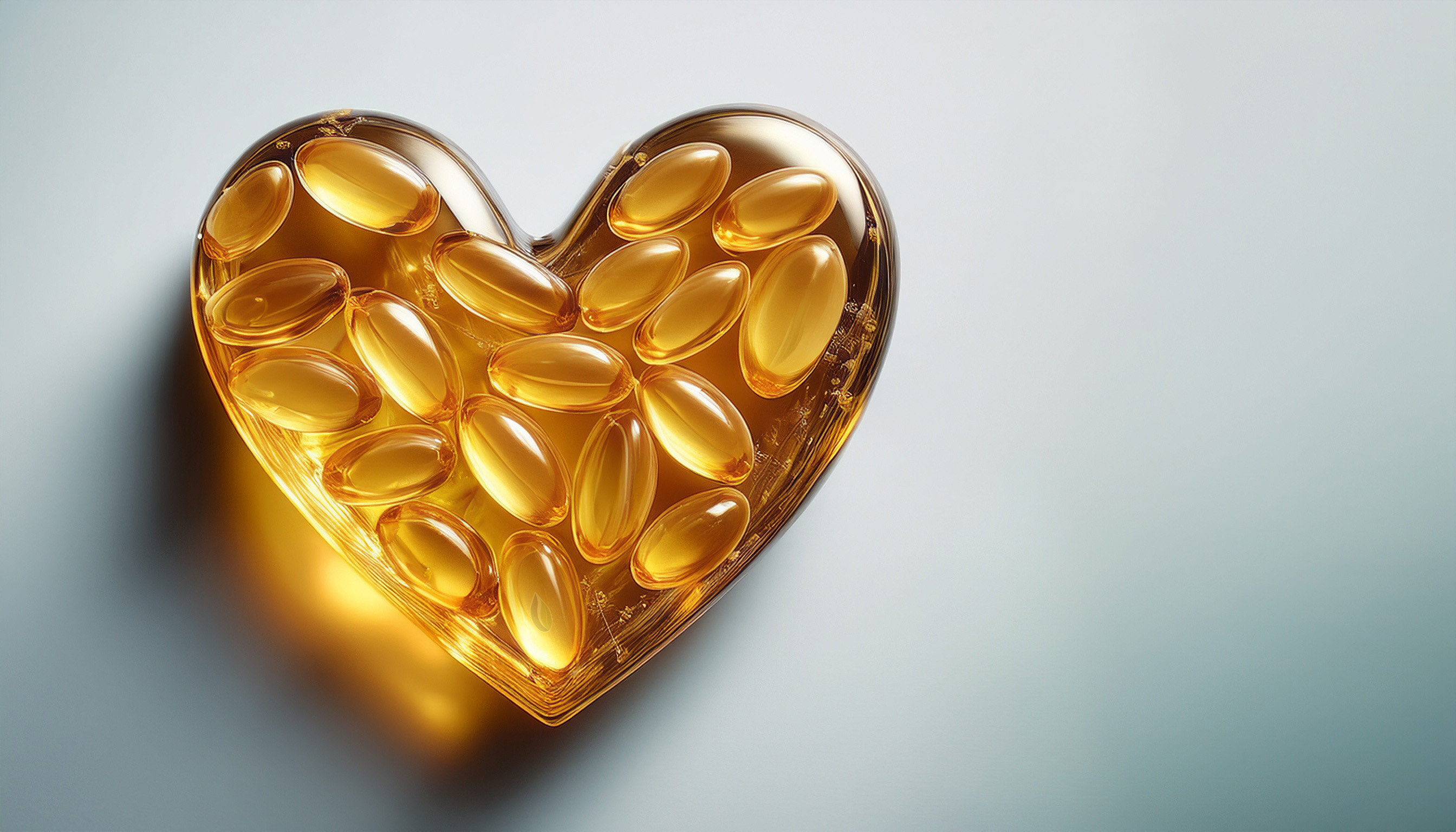
    Heart shape filled with omega 3 capsules, symbolising support for heart health.

    Our heart is a powerful organ that works day and night. Without us even noticing, it beats an average of 100,000 times a day. No wonder heart health is getting more and more attention—especially in a time when stress, diet, and lifestyle are often out of balance. One of the most researched natural substances that seem to have a positive effect on the heart are omega-3 fatty acids. But what exactly does omega-3 do for the heart? In this blog, we delve into the role of omega-3 in heart health, discuss scientific research, and provide tips on how to supplement these essential fatty acids in a responsible manner—for example, with high-quality supplements such as Norsan omega-3 fish oil, liver oil, or algae oil.

    What is omega-3 and what does it consist of?

    Omega-3 is a collective term for a group of polyunsaturated fatty acids that play an important role in our bodies. The best known are ALA (alpha-linolenic acid), EPA (eicosapentaenoic acid), and DHA (docosahexaenoic acid). ALA is mainly found

    Read more »
  8. Why does healthcare still not work for women?

    Composite portrait of a face that is half female and half male, symbolizing the biological differences between men and women.

    The differences between female and male bodies are enormous. Yet medical science has ignored this for decades. Almost all medicines, dosages, and treatment methods have been tested on men—and women pay the price for this. But how is this possible? And why are the differences between men and women so great?

    The female body: different, more complex, and often ignored

    Medical science has long acted as if the male body is the standard. In clinical studies, drug trials, and even in medical training, the body of the healthy, young man was taken as the starting point. The female body—with fluctuating hormones, a different metabolism, and unique biological processes—was seen as “difficult,” “complex,” or simply not taken into account.

    Only in recent years has awareness grown that these differences are not only biologically logical, but also medically crucial.

    How big are the differences between men and women really?

    Aspect

    Male body

    Female body

    Hormone balance

    Relatively stable testosterone level

    Read more »
  9. What is Liposomal Hyaluronic Acid and Why Does It Work?

    Vitamunda Liposomal Hyaluronic Acid supplement bottle on a wooden deck at sunrise in a natural landscape – product photo for Meditech Europe blog.

    Hyaluronic acid is a body's own substance that plays a key role in retaining moisture, keeping joints supple and supporting healthy, full skin. Many people take hyaluronic acid as a supplement, but what if your body doesn't absorb it properly? Liposomal hyaluronic acid offers a smart solution to this: thanks to innovative liposomal technology, the active ingredient is much better absorbed and utilized. Wondering what exactly liposomal hyaluronic acid is, how it works, and why this form is so effective? In this blog you can read all about the benefits, composition, use and why more and more people are choosing Vitamunda's liposomal hyaluronic acid - available through Meditech Europe.

    What is liposomal technology?

    Liposomal technology is a clever way to better protect and transport active ingredients, such as hyaluronic acid, in your body. A liposome is a microscopic ball of fat that encloses active ingredients. These liposomes improve absorption into the bloodstream.

    This technology ensures

    Read more »
  10. Healthy in the Sun: All about Sunlight, UV Radiation and Natural Care

    Close-up of wet skin in the sun by a pool – illustrating UV exposure and the importance of natural skincare during summer.

    As soon as summer arrives, we flock outside. The sun gives us energy, warms our bodies, improves our mood and is essential for the production of vitamin D. Sunlight is thus indispensable for our health and well-being. At the same time, exposure to sunlight comes with risks that we should not underestimate - especially because of the ultraviolet (UV) radiation associated with it. UV radiation is invisible, but it has a measurable, harmful impact on our skin, eyes and overall health. Again, it's all about balance. In this blog, you'll read what exactly UV radiation is, its effects on our bodies and how to protect yourself naturally and consciously.

    Sunlight as a natural force: benefits for body and mind

    Sunlight plays an essential role in various bodily processes. One of its best-known benefits is the production of vitamin D, a fat-soluble vitamin involved in calcium absorption, bone building, the immune system and muscle function. Although you can also get vitamin D through food or supplements,

    Read more »
Page
Made with StoreFrame.io Copyright © Meditech Europe