
Monthly Archives: October 2024
 Read more »
On Sunday 25 October 2026 the clocks go back one hour. In the UK, 2am becomes 1am again; in most of mainland Europe, 3am becomes 2am. You get an extra hour in bed, and from that weekend it is light an hour earlier in the morning and dark an hour earlier in the evening.
One hour sounds like nothing. Yet many people feel it for days: awake before the alarm, tired by nine in the evening, or the other way round. Your body does not run on the clock on the wall, it runs on light. To be honest, we think it is time this stopped, and many of our readers feel the same. Below you can read why the change is so noticeable, why it is still with us, and what you can do to help your rhythm along for as long as it is.
When do the clocks change?
Clocks go back 2026: Sunday 25 October. In the UK at 2am BST, back to 1am GMT. In the Netherlands, Germany and most of Europe at 3am, back to 2am. The night is one hour longer.
Clocks go forward 2027: Sunday 28 March. In the UK at 1am GMT, forward to 2am BST. In
- Posted: 21 October 2024Last updated: October 2026
 Read more »
The pineal gland, sometimes called the "third eye", is a small but powerful organ in the brain. Although it is only the size of a pea, this gland has fascinated scientists, philosophers and spiritual teachers for centuries. But what exactly is the pineal gland? What does it do? And why is it seen in some cultures as a spiritual gateway? We also look at calcification of the pineal gland: what it is, and what we do and don't know about it. Read on.
In short: the pineal gland (epiphysis) is a pea-sized gland in the middle of your brain. It makes the hormone melatonin, mainly when it is dark. That is how it tells your body that it is night.
What is the pineal gland?
The pineal gland, also known as the epiphysis, is a small, cone-shaped organ in the centre of the brain, between the two hemispheres and above the thalamus. It is about the size of a pea and has a characteristic pine-cone shape, which is where its name comes from. The pineal gland is part of the endocrine system: the glands that
- Posted: 9 October 2024
 Read more »
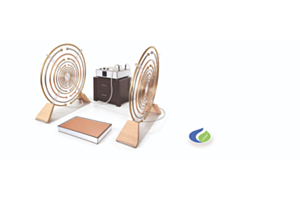
For many people, washing fruits and vegetables is an integral part of a healthy lifestyle. By thoroughly rinsing and cleaning produce before eating it, you can help reduce dirt and unwanted residues. AquaPure was developed as a practical tool to assist with this.
Using a cleaning process based on water, salt, and electrolysis, AquaPure offers a simple way to give fruits and vegetables an extra clean. In this blog, you’ll learn how AquaPure works, why many users choose this method, and how it fits into a mindful kitchen routine.
Why Cleaning Fruits and Vegetables Is Important
Fruits and vegetables often travel a long way before they end up on your plate. During cultivation, transport, and storage, produce can come into contact with dust, dirt, and other residues. That’s why many consumers choose to wash their groceries thoroughly before eating or preparing them.
Proper cleaning is a simple step that fits into a mindful and hygienic lifestyle.
What is AquaPure?
AquaPure is a compact, rechargeable



 Made with