
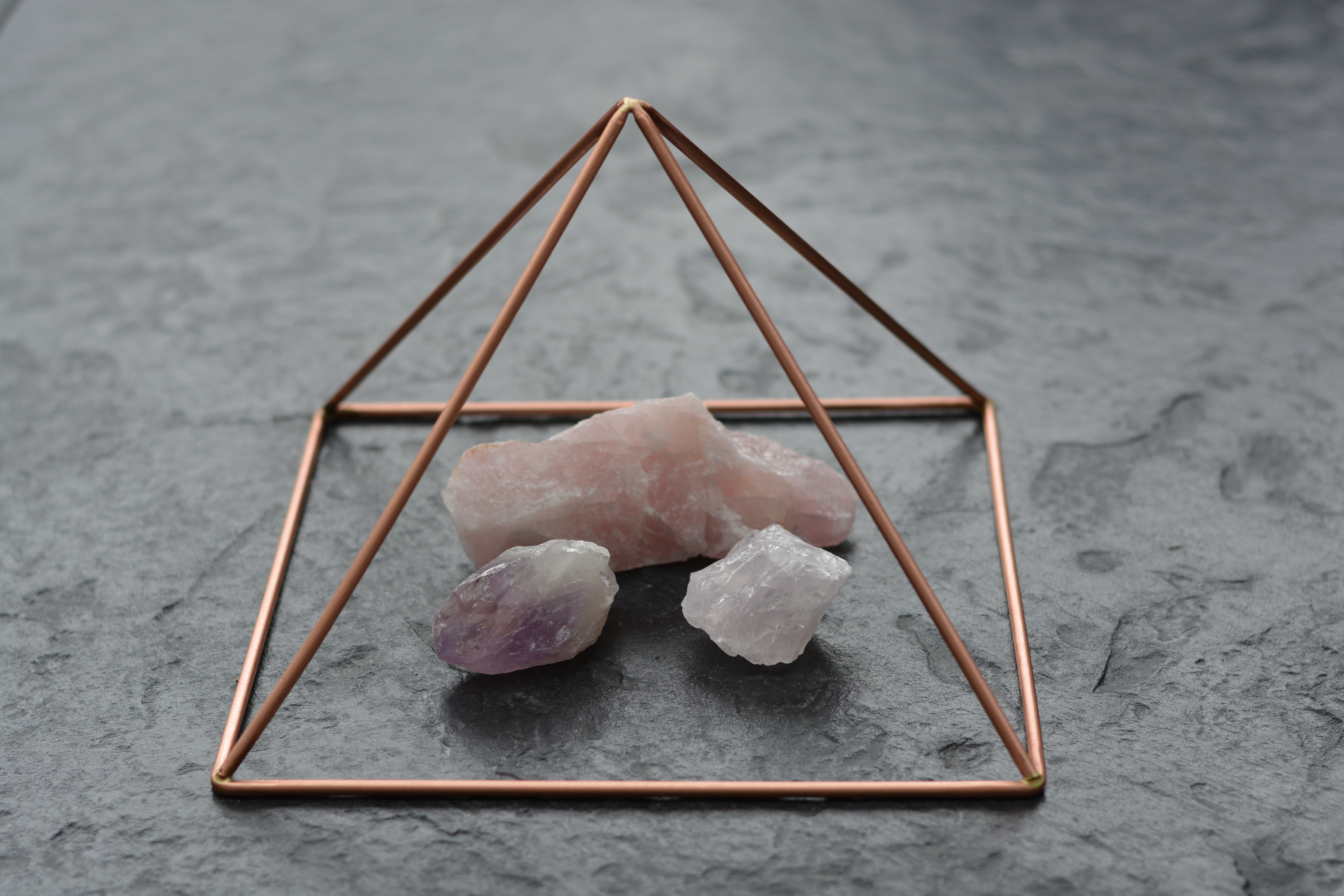
Pyramids have fascinated us for centuries with their shape and symbolism. From ancient Egyptian monuments to modern miniature models, their appeal lies in their unique form, construction process, and function, as well as the pyramid power attributed to the concentration, harmonization, and amplification of energy.
More and more people are discovering that small scale models of pyramids are not only beautiful to look at but also have practical applications: from meditation and improving one's personal living environment to growing vegetables through electroculture. By orienting the pyramid correctly (north-south) and combining this with a conscious intention, users say you can enhance the effects.
In this blog post, we explore how (copper) pyramids work, how to choose and use a miniature model, and which practical tips help you optimally utilize the pyramid power – both for plants and for your living environment.
The theory behind pyramids: energy, geometry, and intention
The unique appeal of pyramids lies not only in their monumental appearance but also in the belief that pyramid power is linked to geometry and energy. Many see pyramids as natural power plants that function like antennas to the cosmos. They are said to bundle and transmit cosmic information and energy to everything and everyone in the vicinity. According to some traditions, the most powerful point in a pyramid is located approximately one-third of the way up – the area often compared to the "king's chamber" in the Great Pyramid of Giza.
The material copper enhances the pyramid's effect, as copper is known for its excellent conductivity and vitalizing properties. In addition to shape and material, many users emphasize the importance of intention. A pyramid is said to not only bundle energy but also amplify the user's personal intention. For example, by consciously stating and focusing on an intention during meditation or when placing plants, experiences show that intention becomes more powerful and tangible. Although scientific evidence is limited, users worldwide share anecdotes about achieving greater balance, harmony, and clarity through working with pyramids and pyramid energy.
Scale Models of Copper Pyramids: Shapes, Sizes, and Orientation
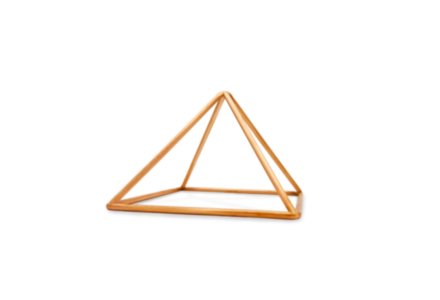
A scale model of a copper pyramid is a compact version of the classic pyramid and its specific shape, specifically designed to utilize its supposed energetic properties on a smaller scale. These models are often constructed from copper rods or plates and vary in height from a few decimeters to models you can sit or even stand in. Other materials are sometimes used as well.
The proportions are important: the angle of inclination of the sides determines how the energy concentrates at the apex and within the pyramid.
For orientation, it is usually recommended to carefully align the pyramid with the north-south line, often using a compass. Users claim that this ensures that the pyramid functions optimally as an antenna, focusing and transmitting cosmic energy. The more precise the placement, the more powerful the effect is supposedly.
Copper as a material is not only aesthetically pleasing but also practical: the metal is known for its high conductivity and durability. This makes a copper pyramid not only a decorative object but also a powerful tool for meditation, energy concentration, and natural growth.
Possible Practical Applications of Pyramids
Scale models of pyramids are used in a variety of applications, ranging from gardening (electroculture) to personal development. One of the most discussed applications is with plants and seeds. Gardeners and hobby growers place their vegetables, herbs, or seeds under or near a pyramid and report that growth is more vigorous, plants suffer less from disease, and yields can be higher. Although this has not yet been widely scientifically confirmed, the experiences are remarkable and align with the theory that pyramids concentrate and transmit energy.
Copper pyramids can also play a role in meditation and relaxation. By sitting in or next to a pyramid, people often experience greater peace, focus, and a deeper sense of connection. The shape is said to act as a natural amplifier for the personal intentions you set: whether that be for relaxation, clarity, or another specific goal. This makes pyramids popular as a tool for mindfulness, yoga, and spiritual practices. Some people also place a pyramid under their bed to potentially influence their sleep.
Pyramids are also used with water and food. Some users temporarily place a glass of water or food under a pyramid, believing it improves its structure or extends its shelf life. This aligns with the idea that the pyramid bundles energy and information from the environment and transmits it to the object inside. Crystals are also often placed in pyramids to cleanse and recharge them energetically. According to enthusiasts, the stones feel more powerful and clearer afterward.
Another frequently mentioned use is protection against radiation or electrosmog. People who are sensitive to electromagnetic fields report that a pyramid in their home helps them sleep more peacefully or feel less irritated. Although this is mainly anecdotal, it is a significant reason for many to place a copper pyramid in their living space.
What all these applications have in common is the belief that the pyramid not only concentrates energy, but also uses the pyramid power to support both material and immaterial processes.
What users experience and what to look out for
While experiences with copper pyramids are often positive, it's good to consciously consider what's known and what to look out for. So far, there's limited independent scientific research that convincingly confirms the effects of pyramids on plants, meditation, or radiation. Most evidence comes from personal experiences, small-scale experiments, and observations. This doesn't mean the observations are untrue, but that they can have different effects for everyone.
An important factor is individual experience. Those who consciously work with meditation, plants, or crystals often find that this in itself brings more peace, balance, and growth. The pyramid can further support and enhance this process, making the experience more powerful.
In short: pyramids have a rich tradition and many people swear by them, but the effects can vary from person to person. Anyone who wants to get started with them is well advised to experiment and see which personal experiences are most valuable.
Practical Tips for Use and Experimentation
Anyone wishing to use a scale model of a copper pyramid has a few practical guidelines to consider. First, orientation is important: place the pyramid so that one side faces exactly north. This can easily be done with a compass. Many users find this ensures the strongest alignment and an optimal energetic effect.
Material and maintenance also deserve attention. Pure copper is the best choice due to its strong conductivity and durability. Copper can oxidize over time, developing a green patina. This is not harmful in itself, but some users find it less aesthetically pleasing. When using it in the garden or with water, it's helpful to keep this in mind. To maintain its shine, you can gently clean the pyramid occasionally.
Finally, the use of intention is crucial. Consciously place a glass of water, a crystal, or a seedling under the pyramid and also focus on a clear intention—for example, purity, growth, or tranquility. Many users find that this focus amplifies the effect and gives the pyramid more meaning in daily use.
Conclusion: Discover the power of copper pyramids for yourself
Copper pyramids in the form of scale models connect ancient wisdom with modern curiosity. Whether you want to use them for plants and electroculture, for meditation and intention setting, for charging crystals, or to harmonize a space, stories of people experiencing positive effects emerge time and again. The pyramid power is seen as a natural way to concentrate and transmit energy.
Although scientific support is limited, the value lies primarily in the individual experience. Those who consciously work with a copper pyramid often discover new layers of peace, balance, and harmony. Thanks to their aesthetics and versatility, scale models of pyramids are not only functional but also a special addition to your living or working space.
Want to discover for yourself what a copper pyramid can do for you? Experiment with orientation, intention, and applications – and experience firsthand how this ancient form continues to inspire and energize today. Please feel free to browse our website or contact us.






 Made with