
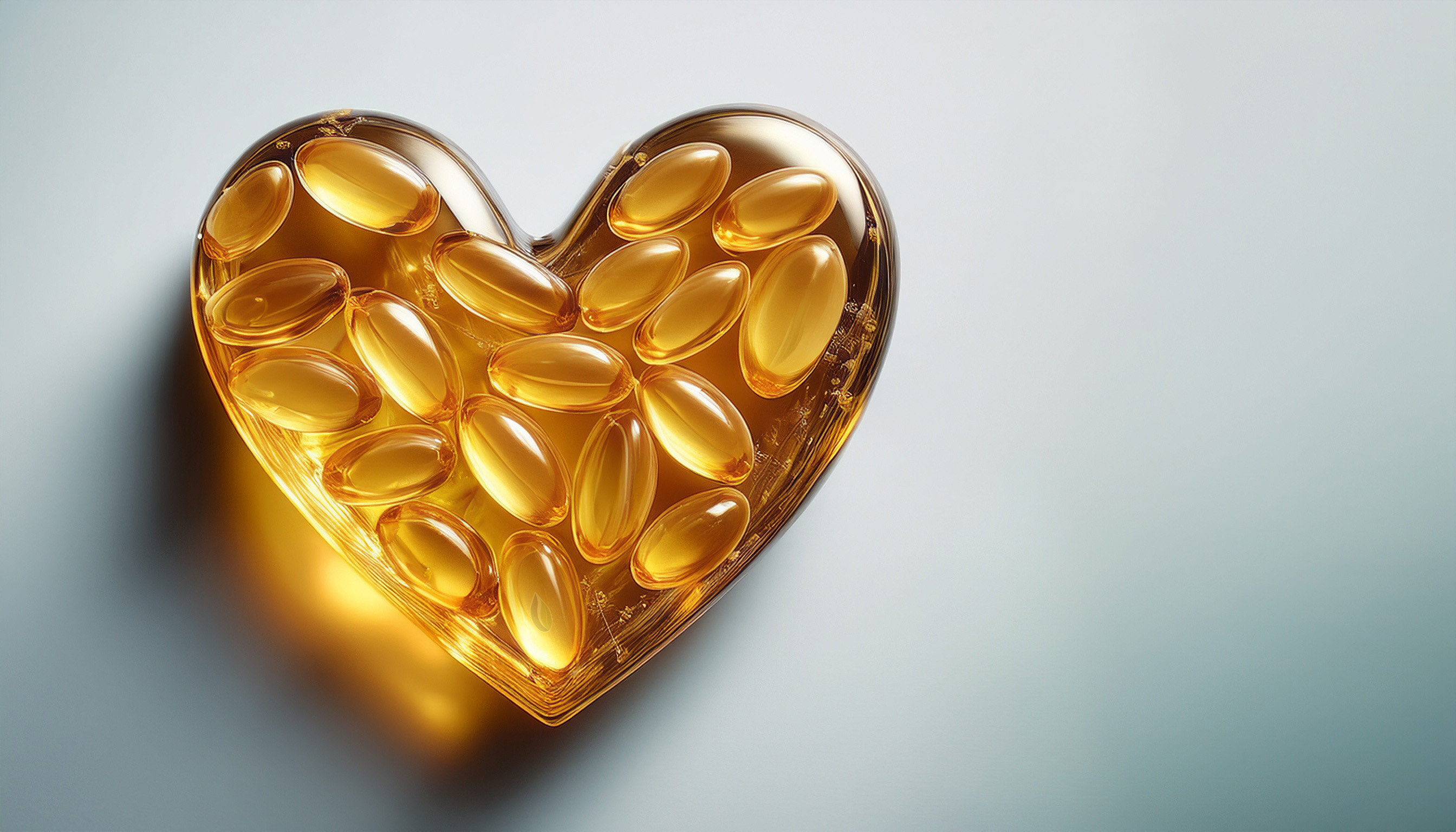
Our heart is a powerful organ that works day and night. Without us even noticing, it beats an average of 100,000 times a day. No wonder heart health is getting more and more attention—especially in a time when stress, diet, and lifestyle are often out of balance. One of the most researched natural substances that seem to have a positive effect on the heart are omega-3 fatty acids. But what exactly does omega-3 do for the heart? In this blog, we delve into the role of omega-3 in heart health, discuss scientific research, and provide tips on how to supplement these essential fatty acids in a responsible manner—for example, with high-quality supplements such as Norsan omega-3 fish oil, liver oil, or algae oil.
What is omega-3 and what does it consist of?
Omega-3 is a collective term for a group of polyunsaturated fatty acids that play an important role in our bodies. The best known are ALA (alpha-linolenic acid), EPA (eicosapentaenoic acid), and DHA (docosahexaenoic acid). ALA is mainly found in plant sources such as flaxseed, chia seeds, and walnuts, while EPA and DHA are mainly found in fatty fish and certain algae.
EPA and DHA are especially important for supporting the heart and blood vessels. Among other things, they help maintain normal heart function, healthy blood pressure, and regulate triglyceride levels in the blood.
Because our bodies have a limited ability to convert ALA into EPA and DHA, it's important to get these fatty acids directly from food or supplements.
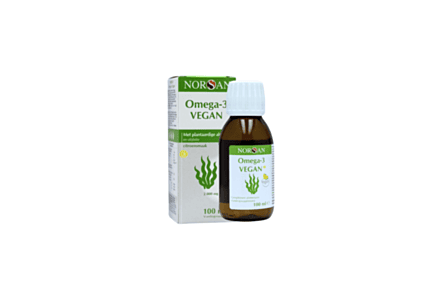
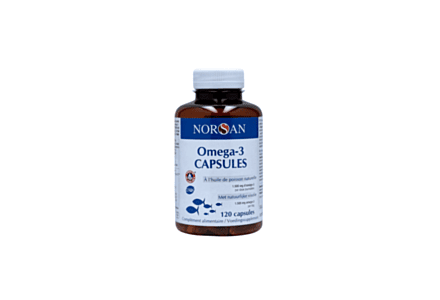
Especially if you eat little or no fish, a supplement containing fish oil or vegetable algae oil can be a valuable addition. Consider, for example, Norsan Omega-3. Norsan omega-3 contains natural, high-dose forms of EPA and DHA—tailored to what the body needs.
Omega 3 and the heart: scientific research
The influence of omega 3 on the heart has been the subject of scientific research for decades. Numerous studies have shown that the fatty acids EPA and DHA in particular can have a protective effect on the heart and blood vessels.
Omega 3 supports normal heart function, helps maintain healthy blood pressure (with a daily intake of 3 grams of EPA/DHA) and contributes to lowering triglycerides (with a daily intake of 2 grams of EPA/DHA) in the blood – a risk factor for cardiovascular disease.
The European Food Safety Authority (EFSA) says that a minimum daily intake of 250 mg of EPA and DHA is good for the heart. However, many people do not get this from their diet, especially if they eat little fish. In that case, a supplement can offer a solution.
Please note: additional daily intake of EPA/DHA should not exceed 5 grams.
Who can benefit from omega-3?
Omega-3 is important for anyone who wants to keep their heart healthy, but there are specific groups who can benefit from it even more:
People with a stressful lifestyle or a less balanced diet may want to pay extra attention to their omega-3 intake. In the modern Western diet, the ratio of omega-6 to omega-3 fatty acids is often out of balance. This is because we consume relatively little omega-3 compared to omega-6. Many people consume (too) much omega-6 fatty acids, especially from vegetable oils. The intake of omega-3 fatty acids, which are found in fatty fish, flaxseed, and walnuts, is relatively low in comparison.
In addition, omega-3 is often important for vegetarians and vegans, who generally consume less EPA and DHA because they do not eat fish. In that case, a plant-based supplement based on algae oil is an excellent alternative. Algae are the original source of omega-3 in the food chain—fish get their omega-3 by eating algae.
For athletes, the elderly, and people who are conscious about their diet, an omega-3 supplement can be a valuable addition to their daily routine. Norsan offers different types of omega-3, so you can always choose a form that suits your lifestyle and preferences.
Which omega-3 is best for your heart?
Not all omega-3 supplements are the same. The fatty acids EPA and DHA are particularly important for heart health. These occur naturally in fish oil, cod liver oil, and algae oil. It is important to choose a supplement that clearly states the amount of EPA and DHA per daily dose, so you know exactly how much you are taking.
The form and purity of the supplement also play a role. Norsan uses only sustainable, fresh, and minimally processed sources, which contributes to both the effectiveness and digestibility of the product.
Do you prefer a plant-based alternative or do you not eat fish? Then Norsan algae oil is an excellent alternative: completely vegan, but with the same essential fatty acids your heart needs.
Frequently asked questions (FAQ)
Should I take fish oil or algae oil?
Both contain EPA and DHA and support heart health. Fish oil comes from fatty fish, algae oil from plant sources. Algae oil is therefore suitable for vegetarians and vegans. The effect is similar, provided the dosage is correct.
Can I take too much omega-3?
Omega-3 is safe in normal doses via supplements. Always follow the recommended dosage on the label. In addition, the EFSA recommends a maximum intake of 5 grams of EPA and DHA per day from supplements.
What is the difference between ALA, EPA, and DHA?
ALA is a plant-based omega-3 fatty acid that is only partially converted into EPA and DHA. EPA and DHA are directly active and more effective for heart health. That is why fish oil and algae oil are better sources than, for example, flaxseed oil.
Make omega-3 a regular part of your routine
Omega-3 fatty acids play an important role in supporting a healthy heart, especially the fatty acids EPA and DHA. Whether you eat little fish, are conscious about your lifestyle, or simply want to be sure of your daily intake, a high-quality omega-3 supplement can be a valuable addition.
At Meditech Europe, you will find the Norsan omega-3 line, with products based on fish oil, liver oil, and 100% vegetable algae oil. This makes it easy to choose the supplement that suits your preferences and needs.
Discover the different varieties of Norsan omega-3 at Meditech Europe and give your heart the support it deserves.
Do you have questions about our supplements or would you like advice? Please feel free to contact us.
Disclaimer: A dietary supplement is not a substitute for a varied diet and a healthy lifestyle. It is important to consult a healthcare professional about the use and dosage of omega-3 supplements if you have cardiovascular disease or are at increased risk of developing it.





 Made with