Page 5 - Search "meditation"

  1. Diabetes Mellitus: Causes and Symptoms from Different Medical Perspectives

    Illustration of the digestive system with focus on the pancreas, which plays a central role in the regulation of insulin and blood sugar in diabetes.

    What is Diabetes Mellitus?

    Diabetes mellitus, commonly known as diabetes, is a chronic metabolic disorder characterized by an impaired blood sugar balance due to insufficient insulin production or decreased cellular sensitivity to insulin. Diabetes is classified into different types, with type 1 and type 2 being the most common. Type 1 is an autoimmune disease where the body stops producing insulin, whereas type 2 is often caused by insulin resistance due to an unhealthy lifestyle and genetic predisposition.

    If not properly managed, diabetes can lead to serious complications, including damage to blood vessels, nerves, and organs such as the heart, eyes, and kidneys. But what exactly causes diabetes? Depending on the medical perspective, the causes are explained differently. In this comprehensive blog, we analyze the causes and symptoms of diabetes mellitus from various medical viewpoints.

    Common Symptoms of Diabetes Mellitus:

    • Excessive thirst and frequent urination

    • Extreme fatigue

    • Unexplained

    Read more »
  2. Multiple Sclerosis (MS): Causes and Symptoms from Different Medical Perspectives

    Multiple Sclerosis (MS): Causes and Symptoms from Different Medical Perspectives

    What is Multiple Sclerosis (MS)?

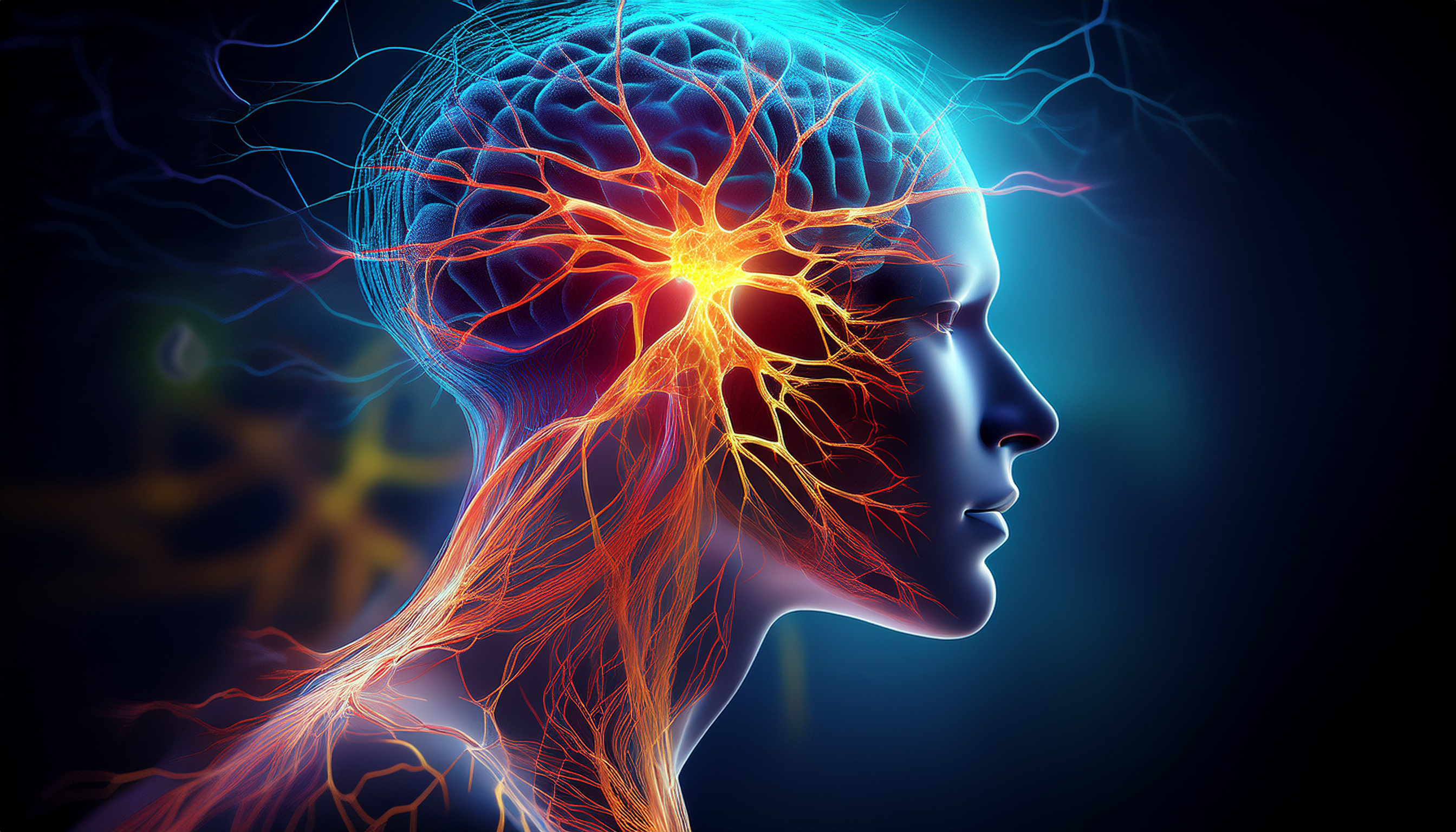
    Multiple Sclerosis (MS) is a chronic disease of the central nervous system characterized by inflammation and damage to myelin, the protective layer around nerve cells. This disrupts the transmission of signals between the brain and the rest of the body. MS can cause a wide range of symptoms, including muscle weakness, coordination problems, fatigue, and cognitive issues. But what exactly causes MS? Depending on the medical perspective, the cause is interpreted differently. In this comprehensive blog, we analyze the causes and symptoms of MS from various medical viewpoints.

    Common Symptoms of Multiple Sclerosis:

    • Muscle weakness and mobility issues

    • Fatigue

    • Sensory disturbances such as tingling or numbness

    • Vision problems, such as double vision or blurred vision

    • Balance and coordination issues

    • Cognitive difficulties, including memory and concentration problems

    • Bladder and bowel dysfunction

    Causes of Multiple Sclerosis According to Different Medical Perspectives

    Read more »
  3. Crohn's Disease: Causes and Symptoms from Different Medical Perspectives

    Crohn's Disease: Causes and Symptoms from Different Medical Perspectives

    What is Crohn's Disease?

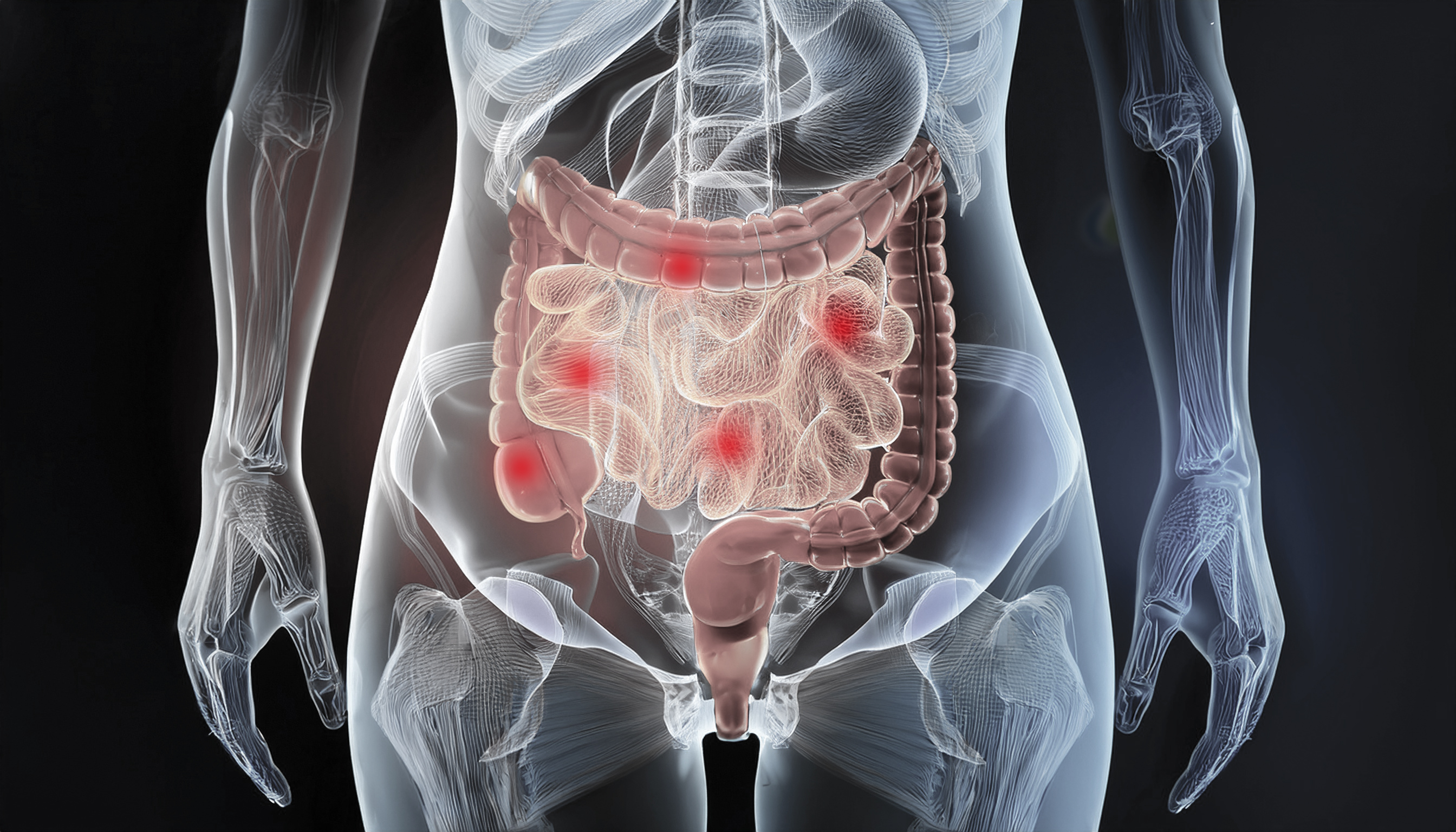
    Crohn's disease is a chronic inflammatory condition that can affect any part of the digestive tract, from the mouth to the anus. It causes symptoms such as abdominal pain, diarrhea, weight loss, and fatigue. But what exactly causes Crohn’s disease? Depending on the medical perspective, the cause is interpreted differently. In this in-depth blog, we analyze the causes and symptoms of Crohn’s disease from various viewpoints.

    Crohn's disease is often confused with ulcerative colitis, another form of inflammatory bowel disease (IBD). The key difference is that Crohn’s can cause inflammation throughout the entire digestive tract, while ulcerative colitis is limited to the colon.

    Common Symptoms of Crohn's Disease:

    • Chronic diarrhea

    • Abdominal pain and cramping

    • Loss of appetite and weight loss

    • Fatigue

    • Blood in the stool

    • Inflammation in other parts of the body, such as joints, eyes, and skin

    Causes of Crohn’s Disease from Different Medical Perspectives

    Western Medicine:

    Read more »
  4. The Law of Attraction: The Power of Thoughts and Intentions

    The Law of Attraction: The Power of Thoughts and Intentions

    What is the Law of Attraction?

    The Law of Attraction is a universal principle stating that what you think and feel influences your reality. Simply put: what you focus on, you attract. Positive thoughts bring positive experiences, while negative thoughts can lead to unfavorable outcomes. This concept has been discussed for centuries in spiritual and philosophical traditions and has recently gained popularity through authors like Esther and Jerry Hicks.

    The 17-Second Rule: The Key to Manifestation

    A well-known concept within the Law of Attraction is the 17-second rule. This principle suggests that if you focus on a positive thought for at least 17 seconds, it begins to attract a second thought with a similar frequency. This process builds momentum, and after 68 seconds (four cycles of 17 seconds), the vibration becomes so powerful that the universe starts responding to your intention.

    This rule is based on the theory that thoughts emit a vibrational frequency, and when you hold a positive

    Read more »
  5. Rheumatism: Causes and Symptoms from Different Medical Perspectives

    Rheumatism: Causes and Symptoms from Different Medical Perspectives

    What is Rheumatism?

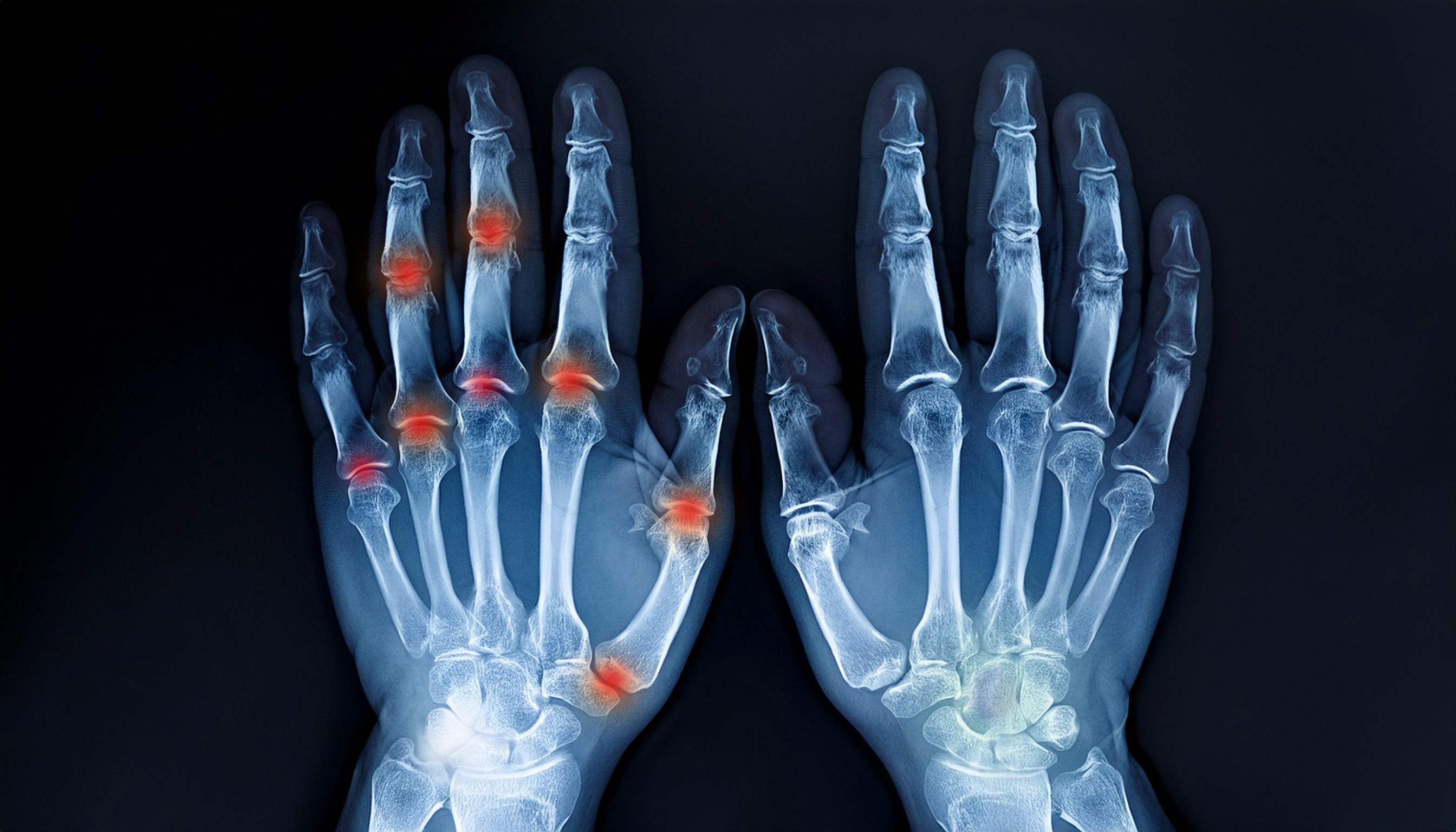
    Rheumatism is a common chronic condition that affects joints, muscles, and tendons. It causes pain, inflammation, and stiffness and can lead to significant limitations in daily life over time. But what exactly causes rheumatism? Depending on the medical perspective, the cause is interpreted differently. In this comprehensive blog, we analyze the causes and symptoms of rheumatism from various viewpoints.

    Rheumatism is an umbrella term for over a hundred conditions, including rheumatoid arthritis, osteoarthritis, gout, and ankylosing spondylitis. While symptoms can vary from person to person and by condition, there are several common complaints that most rheumatism patients experience.

    Common Symptoms of Rheumatism:

    • Joint pain and swelling

    • Morning stiffness

    • Fatigue

    • Movement restrictions

    • Warm sensation in the joints

    • Muscle weakness

    Causes of Rheumatism from Different Medical Perspectives

    Western Medicine: Autoimmune Disease and Genetic Factors

    In Western medicine, rheumatism

    Read more »
  6. The Rituals Around the Copper Bottle

    Ayurvedic rituals copper bottle, cinnamon water copper, cardamom ritual copper water, clove Ayurvedic ritual

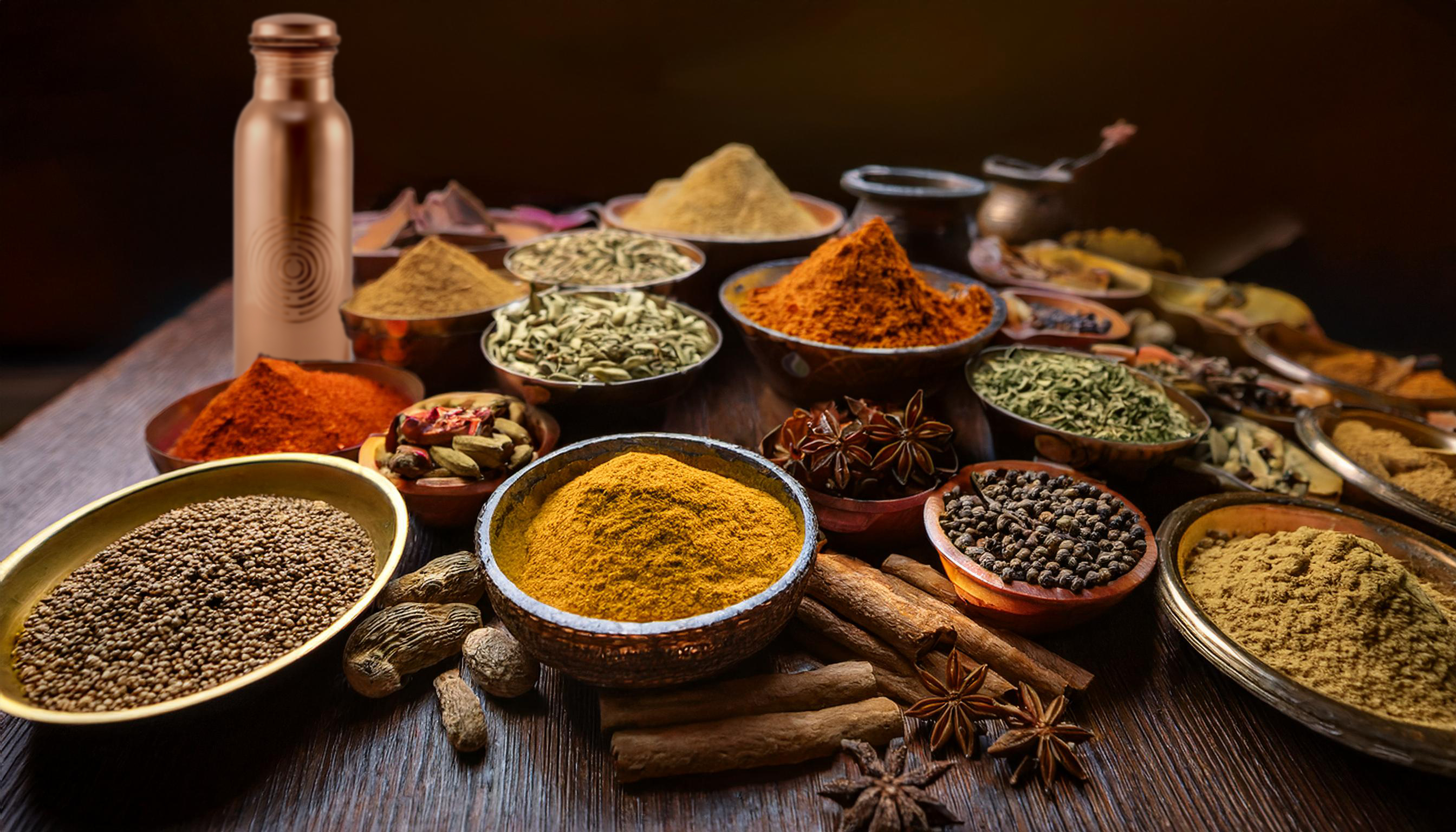
    In Ayurvedic tradition, the copper bottle holds a special place. Drinking Tamra Jal, water that has rested for several hours in a copper bottle, is considered a powerful ritual for purification and balance. In addition to drinking copper water, spices such as cinnamon, cloves, cardamom and cumin play an essential role in traditional Ayurvedic rituals. In this blog, we explore how to combine these spices with copper water at specific times of the day to bring body and mind into harmony.

    Why Drink Water from a Copper Bottle?

    According to traditional Ayurveda practices, water is kept in a copper bottle for several hours, which in this tradition is seen as “absorbing” metallic properties. Some metals, including copper, have an oligodynamic effect on microorganisms in laboratory conditions, but this is not automatically construed as a health claim for drinking water. In Ayurveda, drinking copper water is traditionally associated with the balance of doshas, a concept in this tradition.

    The benefits

    Read more »
  7. The Magic of Rituals, Connection and Intentions

    The Magic of Rituals, Connection and Intentions

    Rituals are like anchors in our lives: they provide structure, meaning and a sense of belonging. In December, a month full of traditions, we may feel that power most strongly. Decorating the Christmas tree, filling the house with twinkling lights, or enjoying a festive meal together around the table - these are moments that bring us closer together and allow us to pause for a moment in the hustle and bustle of everyday life. But what makes rituals so powerful, and why do we look for them so much in December in particular? In this blog, we explore the special impact of rituals, focusing on the magical month of December.

    What exactly are rituals?

    Rituals are actions that are often performed according to a set pattern and are deeply rooted in tradition or have personal meaning. They provide structure and can provide a sense of security and continuity. Whether they are small daily habits, such as drinking a cup of coffee at a set time in the morning, or special occasions, such as celebrating

    Read more »
  8. Summer and Winter Time: Effects on Our Biological Clock

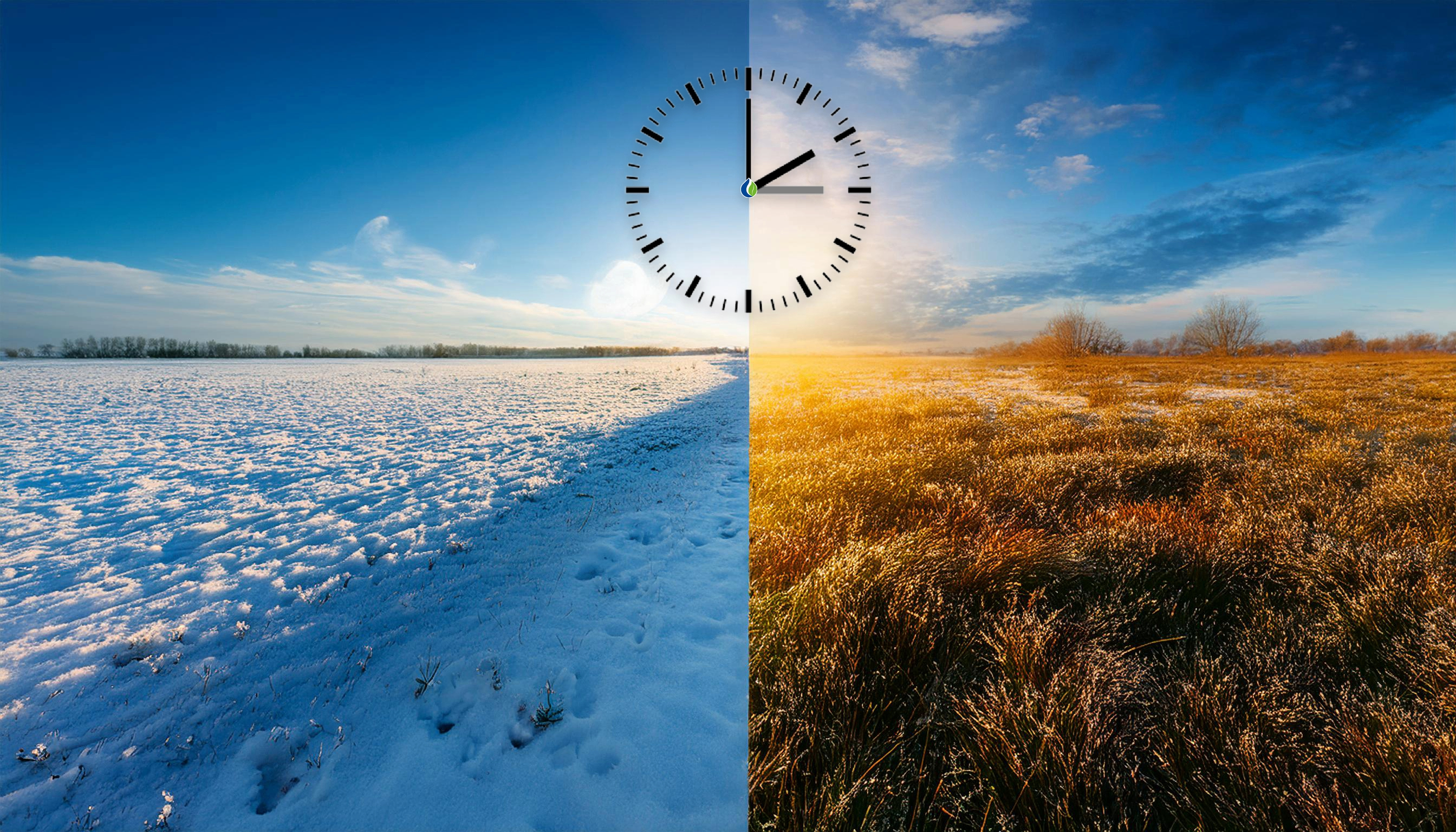
    Clock between winter and summer landscape, symbolizing the difference in time between winter and summer time.

    Twice a year, the clock goes forward or back an hour, and has done so for decades. Although this habit was originally introduced to save energy and make better use of daylight, today its effect is increasingly debated. For many people, adjusting the clock not only feels like an inconvenience, but also involves disruptions in our body's natural rhythms. After all, our internal biological clock is tuned to the natural course of day and night, and for some, this disruption can lead to sleep disturbances and reduced productivity. More and more voices are therefore advocating the elimination of these time changes. In this blog, we take a closer look at the impact of summer and winter time on our biological clock and why it may be time to leave this tradition behind, as well as what you can do to alleviate the suffering while it is not yet the case.

    What is Daylight Saving Time

    Daylight saving time is the period of the year when the clocks are moved forward one hour to enjoy longer daylight.

    Read more »
  9. The Mysteries of the Pineal Gland: From Hormonal Balance to Spiritual Growth

    The Mysteries of the Pineal Gland: From Hormonal Balance to Spiritual Growth

    The pineal gland, sometimes called the “third eye,” is a small but powerful organ in the brain. Although only the size of a pea, this gland has fascinated scientists, philosophers and spiritual leaders over the centuries. But what exactly is the pineal gland? What are its functions? And why is it seen as a spiritual gateway in some cultures? Calcification of the pineal gland, causing it to function worse and what you can do about this is also discussed in this blog. Read on quickly.

    What is the Pineal Gland

    The pineal gland, also referred to as epiphysis, is a small, cone-shaped organ located in the center of the brain, between the two cerebral hemispheres and above the thalamus. This unique organ is about the size of a pea and has a characteristic, pinecone-like shape, which explains its name. The pineal gland is an essential part of the endocrine system, responsible for the production and secretion of hormones that play a crucial role in various physiological processes.

    The biological

    Read more »
  10. The Influence of Self-Esteem on Health | Meditech Europe

    The Influence of Self-Esteem on Health | Meditech Europe

    Self-esteem plays a crucial role in a person's life. It affects not only our mental state but also our physical health. People with high self-esteem rarely face health problems and often make better choices regarding sports, nutrition, and other activities. In this comprehensive blog, we will explore the connection between self-esteem and health, as well as insights from Germanic Medicine on the impact of experiences, events, and traumas on self-esteem and the resulting health consequences.

    What is Self-Esteem?

    Self-esteem, also known as self-worth, refers to the degree to which a person values and respects themselves. It encompasses a combination of self-confidence, self-respect, and a positive self-image. People with high self-esteem feel competent and worthy, while those with low self-esteem often struggle with feelings of inadequacy and self-doubt.

    Components of Self-Esteem:

    1. Self-Confidence: Belief in one's abilities and skills.

    2. Self-Respect: The feeling of worthiness and respect for

    Read more »
Page
Made with StoreFrame.io Copyright © Meditech Europe