
Page 2 - Blogs about Health
- Posted: 20 November 2024
 Read more »
Christmas, a time of joy, togetherness and, of course, gifts. While many of us look forward each year to exchanging beautifully wrapped gifts under the twinkling Christmas tree, we rarely stop to consider how this custom originated. The idea of Christmas gifts has a rich and fascinating history that dates back far beyond today's modern celebrations.
A Historical Retrospective
The origins of Christmas gifts can be traced to several cultural and historical traditions. One important source is the celebration of the ancient Roman festival called Saturnalia, which took place around the winter solstice. During Saturnalia, gifts were given as symbols of goodwill and friendship. These gifts were often exchanged to promote the spirit of togetherness.
In addition, Christian tradition also contributed to the evolution of Christmas gifts. The story of the Three Wise Men who brought gifts of gold, frankincense and myrrh to the newborn Jesus has had a lasting influence on the idea of gift giving during
 Read more »
On Sunday 25 October 2026 the clocks go back one hour. In the UK, 2am becomes 1am again; in most of mainland Europe, 3am becomes 2am. You get an extra hour in bed, and from that weekend it is light an hour earlier in the morning and dark an hour earlier in the evening.
One hour sounds like nothing. Yet many people feel it for days: awake before the alarm, tired by nine in the evening, or the other way round. Your body does not run on the clock on the wall, it runs on light. To be honest, we think it is time this stopped, and many of our readers feel the same. Below you can read why the change is so noticeable, why it is still with us, and what you can do to help your rhythm along for as long as it is.
When do the clocks change?
Clocks go back 2026: Sunday 25 October. In the UK at 2am BST, back to 1am GMT. In the Netherlands, Germany and most of Europe at 3am, back to 2am. The night is one hour longer.
Clocks go forward 2027: Sunday 28 March. In the UK at 1am GMT, forward to 2am BST. In
- Posted: 21 October 2024Last updated: October 2026
 Read more »
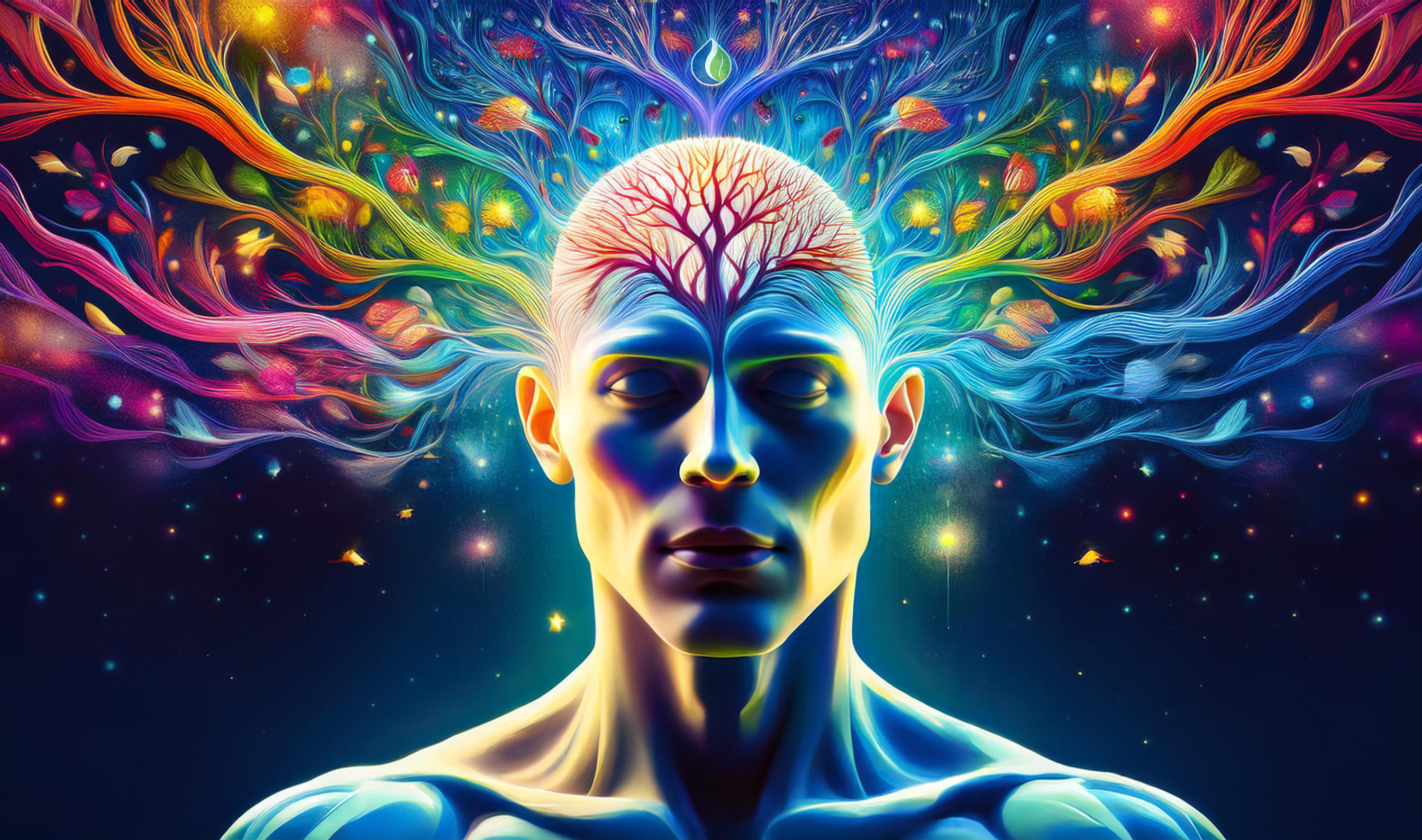
The pineal gland, sometimes called the "third eye", is a small but powerful organ in the brain. Although it is only the size of a pea, this gland has fascinated scientists, philosophers and spiritual teachers for centuries. But what exactly is the pineal gland? What does it do? And why is it seen in some cultures as a spiritual gateway? We also look at calcification of the pineal gland: what it is, and what we do and don't know about it. Read on.
In short: the pineal gland (epiphysis) is a pea-sized gland in the middle of your brain. It makes the hormone melatonin, mainly when it is dark. That is how it tells your body that it is night.
What is the pineal gland?
The pineal gland, also known as the epiphysis, is a small, cone-shaped organ in the centre of the brain, between the two hemispheres and above the thalamus. It is about the size of a pea and has a characteristic pine-cone shape, which is where its name comes from. The pineal gland is part of the endocrine system: the glands that
- Posted: 9 October 2024
 Read more »
For many people, washing fruits and vegetables is an integral part of a healthy lifestyle. By thoroughly rinsing and cleaning produce before eating it, you can help reduce dirt and unwanted residues. AquaPure was developed as a practical tool to assist with this.
Using a cleaning process based on water, salt, and electrolysis, AquaPure offers a simple way to give fruits and vegetables an extra clean. In this blog, you’ll learn how AquaPure works, why many users choose this method, and how it fits into a mindful kitchen routine.
Why Cleaning Fruits and Vegetables Is Important
Fruits and vegetables often travel a long way before they end up on your plate. During cultivation, transport, and storage, produce can come into contact with dust, dirt, and other residues. That’s why many consumers choose to wash their groceries thoroughly before eating or preparing them.
Proper cleaning is a simple step that fits into a mindful and hygienic lifestyle.
What is AquaPure?
AquaPure is a compact, rechargeable
- Posted: 25 July 2024Last updated: October 2026
 Read more »
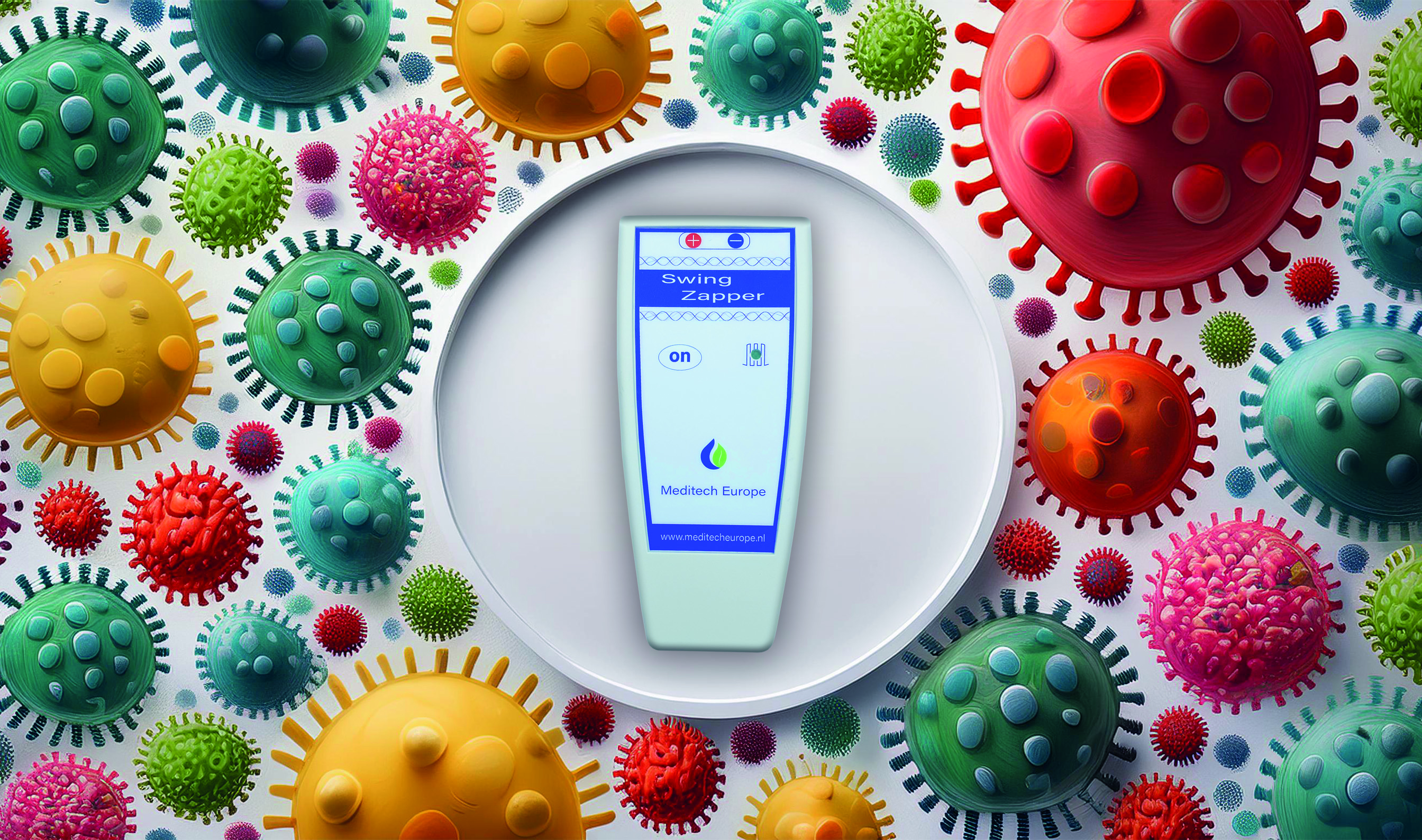
Anyone looking for Hulda Clark's zapper soon comes across the Swing Zapper. In this blog you can read where the device comes from, which versions there are and how to use it.
What is the Swing Zapper
The Swing Zapper is a small device running on two AA batteries that generates frequencies, intended for use with plants. It has one button and one fixed programme. There is nothing to set: the device varies the frequency itself.
Hulda Clark
The design goes back to the zapper of the American Hulda Clark (1928–2009). In the 1990s she built a simple device that gave off mild electrical pulses. She developed it from her own theories about parasites, which were never scientifically confirmed and remain controversial to this day. Even so, the zapper became the best-known part of her work, and it still has a loyal group of users. She described her ideas in a series of books.
Three versions
All three Swing Zappers run the same programme. The difference lies in the electrodes.
- Posted: 11 June 2024
 Read more »
Mantras are powerful tools that can help you achieve inner peace, focus, and spiritual growth. In this blog, we will delve deeper into how to use a mantra correctly, including pronunciation, frequency, and accompanying actions. This will ensure that you get the most out of your mantra practice. Read on to discover everything you need to know about using mantras.
What is a Mantra?
A mantra is a sacred sound, word, or phrase that is repeatedly spoken to calm the mind and achieve spiritual goals. Mantras have been used for thousands of years in various spiritual traditions around the world.
How to Pronounce a Mantra?
Correct pronunciation of a mantra is crucial for its effectiveness. Here are some tips to get you started:
Choose a Mantra: Select a mantra that resonates with your goals and intentions. Popular mantras include “Om,” “Om Mani Padme Hum,” and “So Hum.”
Listen and Repeat: Listen to a recording of the mantra to learn the correct pronunciation. Repeat the mantra slowly and clearly.
- Posted: 8 June 2024Last updated: September 2026
 Read more »
Installing a LifeField Polarizer is really no more than putting a plug into a socket. The question we get far more often is a different one: which socket? And do you need one, or more? That is what this piece is about.
What's inside the case
A LifeField Polarizer is a small round case with a plug. Inside are a copper ring, a polarizer plate and a combination of crystals. Copper was chosen for the energetic properties that many traditions attribute to it. The polarizer plate is based on the antennas of Georges Lakhovsky. Which crystals are inside varies by model; you can tell the model from the print on the front. Crystals carry their own meaning in many spiritual and holistic traditions, and those traditions are the starting point for how each model is put together. For installation the model makes no difference: it is the same for all of them.
The case uses no electricity. The plug is not there for power but for the wiring. The idea behind the Polarizer is that the copper in your household
 Read more »
In the 1980s fewer than 3% of people used a mobile phone; today almost everyone does. We live surrounded by artificial electromagnetic signals: wifi, mobile networks and all the devices in our homes. Beneath them sounds a much older, natural signal that has always been there: the Schumann resonance. In this blog you can read what it is, how it was discovered and why it fascinates so many people.
What is Schumann Resonance?
The Schumann resonance is a natural electromagnetic vibration in the space between the Earth's surface and the ionosphere, a charged layer high up in the atmosphere. It is also called the frequency of the Earth. Its strongest tone is around 7.83 Hz, with overtones around 14, 21, 27 and 34 Hz.
In 1952 the German physicist Winfried Otto Schumann calculated that the space between the Earth and the ionosphere behaves like a sound box with a tone of its own. He arrived at just over 10 Hz. Two years later he and his student Herbert König published the first measurement results.
- Posted: 3 May 2024
 Read more »
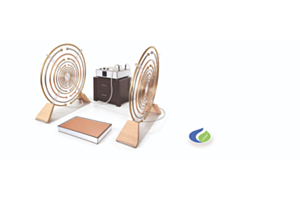
Lakhovsky's theories on cell regeneration and repair particularly focus on the use of his specially designed antennas with opened rings. According to Lakhovsky, these antennas can enhance the natural frequencies of cells, leading to improved cell health and vitality. The crucial element here is the opened rings of the antenna, which, according to Lakhovsky, have a specific reason for their effectiveness. In this blog, we will delve deeper into why these opened rings are essential and why closed rings would not have the same effect.
The Basis of Lakhovsky's Theory
Georges Lakhovsky, a Russian-French engineer, introduced the idea that living cells behave as oscillators, each with their own natural frequency. According to his theory, external oscillations that resonate with the natural frequencies of cells can enhance these, thus contributing to the health and vitality of the organism. Lakhovsky developed the MWO with ring-shaped antennas designed to produce a wide spectrum of frequencies,
- Posted: 29 April 2024
 Read more »
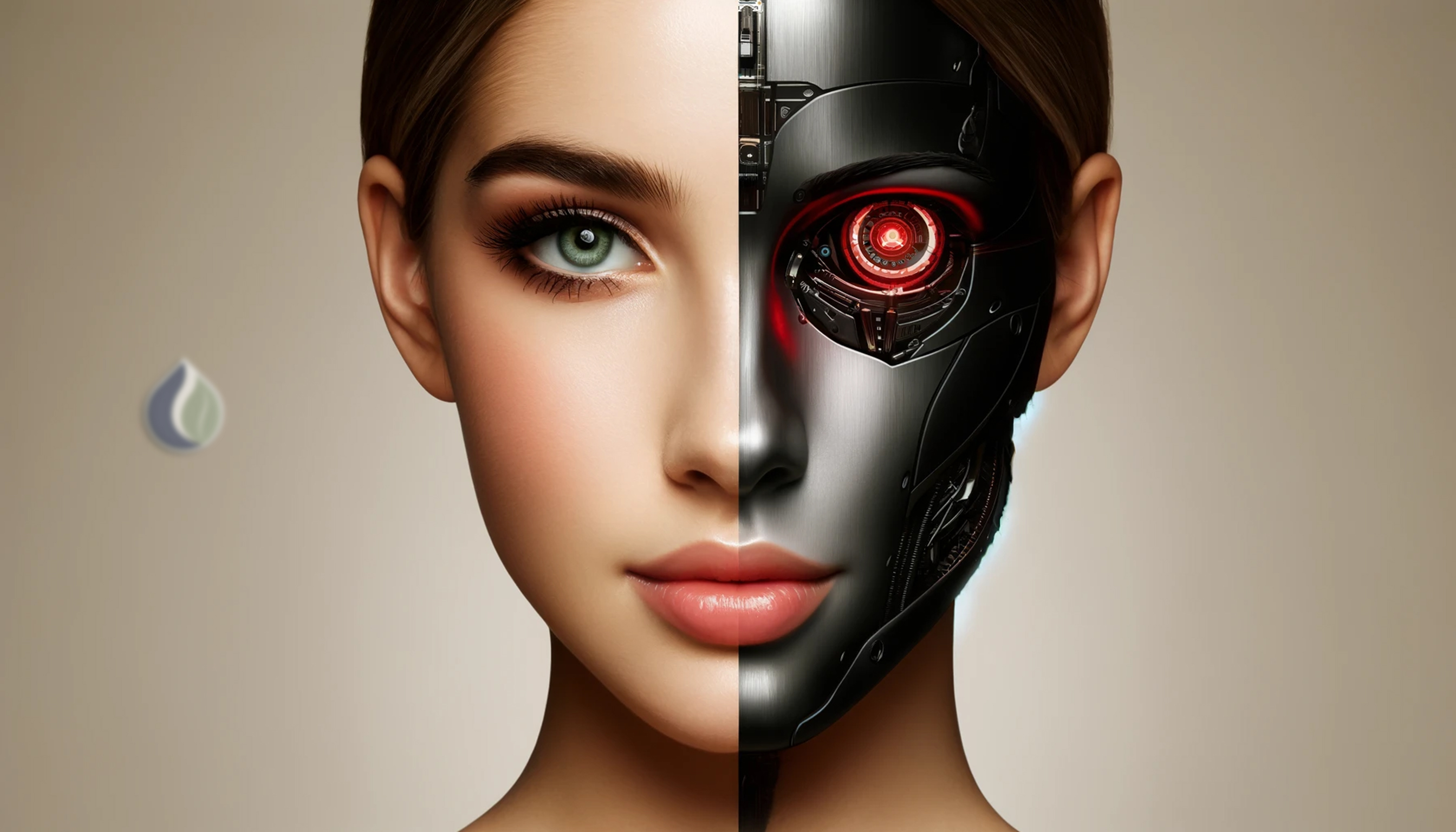
In a world where technology and science are rapidly advancing, we are increasingly exposed to concepts that once seemed only to exist in science fiction. One of these emerging trends is bio-hacking, a phenomenon that elicits both excitement and concern. In this comprehensive blog, we delve deeper into what bio-hacking actually is, its societal risks, potential long-term effects, and why it is important for society to be informed about the technological aspects of bio-hacking.
What is Bio-Hacking?
Bio-hacking is a broad term that refers to the use of biological, physiological, and genetic manipulation to enhance the human body and mind. This can range from optimizing nutrition and lifestyle to using advanced technologies such as genetic modification and implants.
The concept of bio-hacking is not new. People have always sought to improve their bodies and minds, whether through the use of herbs and dietary supplements or the practice of meditation and yoga. What sets bio-hacking apart, however,

 Made with