Page 3 - Search "breathing"

  1. Breathe in the energy of autumn according to Traditional Chinese Medicine

    Autumn forest with sunlight – symbolizing lungs, intestines, and seasonal balance in TCM.

    In Traditional Chinese Medicine (TCM), autumn is the season of reaping, letting go and turning inward. As nature retreats and leaves fall, this season invites us to find balance, strengthen our immune system and clean up emotionally. Lungs, colon, skin and hair are in extra focus during this time. Discover in this blog how to use the wisdom of TCM as well as practical tips from the Western tradition to support your health, so that you can enter the dark months full of vitality.

    The energy of autumn according to TCM

    As the days grow shorter and the air feels fresher, autumn announces itself gently but unmistakably. In Traditional Chinese Medicine (TCM), this is the season when energy turns inward and we prepare for the calm of winter. In TCM, autumn is associated with the element Metal, which represents clarity, structure and the ability to let go of what no longer serves us. Just as trees drop their leaves, we are invited to leave ballast behind and focus on what nourishes and protects


    Read more »
  2. Don't Let Fear Win: Discover the Power of Curiosity

    Young girl looks in wonder at an insect on her hand – a symbol of curiosity and freedom instead of fear.

    Fear is a feeling that affects us all. It wants to protect us, but it also often paralyzes us. We withdraw, procrastinate, or don't dare to do something—while deep down we actually long for movement, growth, and freedom. In this blog, we explore how fear works—not only from the outside, but also from the inside. We also briefly consider how it manifests itself in your body and how it influences your thinking, but also what you can do to counteract it. We take you through the ideas behind our intention card “Don't let fear win” and show you how curiosity can be a surprisingly powerful antidote. Curiosity invites you to keep looking, feeling, discovering – even when you're not sure about everything.

    What is fear and why does it hold you back?

    Fear is often seen as a negative emotion, but it has a clear function: it wants to protect you. However, that protection does not always work in your favor. Fear can turn into an invisible chain—a force that holds you back and controls you, often without

    Read more »
  3. What Love does to your body - And your life

    The power of love

    Love. The word alone evokes warmth, memories and meaning. But love is much more than just a romantic experience. Love can be felt for a partner, but also for your children, your work, your mission, or your business. Love is a driving force that moves us, connects us and touches us at the deepest level - physically, mentally and energetically. At Meditech Europe, we know that love plays a crucial role in how you feel and live. But what actually happens in your body when you experience love?

    What love does to your body

    Love activates an impressive interplay of substances in your body that affect your health, mood and energy:

    Oxytocin - the cuddle hormone

    This hormone is released during touch, connection and intimacy. It provides calmness, confidence and a sense of security. Oxytocin lowers blood pressure and strengthens the immune system.

    Dopamine - the reward hormone

    When you feel love - be it passion for your work or seeing a loved one - your brain releases dopamine. This produces a feeling

    Read more »
  4. Liver Detox: Why Spring is the Perfect Moment

    Fresh artichokes and lemon on a concrete surface – natural ingredients that support liver function during a spring detox.

    As soon as the first rays of sunshine break through and nature comes back to life, many people feel the need to clean up - not only in their homes, but also in their bodies. And this is no coincidence. Spring is the season of renewal, growth and ... detoxification. In your body, the liver plays a key role in removing waste products and supporting your energy levels. According to Traditional Chinese Medicine (TCM), spring is therefore the ideal time to help the liver detoxify and recover. But how do you know if your liver could use some extra attention? And how do you tackle that in a natural and feasible way? Read on quickly.

    Why spring is the ideal season to detoxify your liver

    Spring is a symbol of renewal and growth in many traditions, and so is your body. After the dark, often heavier winter months, spring is the time to cleanse and reset your body. Your liver - one of the most important organs for detoxification - plays a central role in this process.

    In spring, your body naturally

    Read more »
  5. Alzheimer's Disease: Causes and Symptoms from Different Medical Perspectives

    Alzheimer's Disease: Causes and Symptoms from Different Medical Perspectives

    What is Alzheimer's Disease?

    Alzheimer’s disease is a progressive neurological condition that affects memory, thinking, and ultimately daily functioning. It is the most common form of dementia and is characterized by the buildup of amyloid plaques and tau proteins in the brain, leading to nerve cell damage and cognitive decline. But what exactly causes Alzheimer’s? Depending on the medical perspective, the causes are interpreted differently. In this comprehensive blog, we analyze the causes and symptoms of Alzheimer’s disease from various medical viewpoints.

    Common Symptoms of Alzheimer's Disease:

    • Memory loss, especially of recent events

    • Confusion and disorientation

    • Difficulty with language and communication

    • Loss of logical thinking and problem-solving skills

    • Mood and behavioral changes

    • Loss of independence in daily activities

    Causes of Alzheimer's Disease from Different Medical Perspectives

    Western Medicine: Amyloid Plaques and Genetic Factors

    In Western medicine, Alzheimer’s is seen as

    Read more »
  6. Diabetes Mellitus: Causes and Symptoms from Different Medical Perspectives

    Illustration of the digestive system with focus on the pancreas, which plays a central role in the regulation of insulin and blood sugar in diabetes.

    What is Diabetes Mellitus?

    Diabetes mellitus, commonly known as diabetes, is a chronic metabolic disorder characterized by an impaired blood sugar balance due to insufficient insulin production or decreased cellular sensitivity to insulin. Diabetes is classified into different types, with type 1 and type 2 being the most common. Type 1 is an autoimmune disease where the body stops producing insulin, whereas type 2 is often caused by insulin resistance due to an unhealthy lifestyle and genetic predisposition.

    If not properly managed, diabetes can lead to serious complications, including damage to blood vessels, nerves, and organs such as the heart, eyes, and kidneys. But what exactly causes diabetes? Depending on the medical perspective, the causes are explained differently. In this comprehensive blog, we analyze the causes and symptoms of diabetes mellitus from various medical viewpoints.

    Common Symptoms of Diabetes Mellitus:

    • Excessive thirst and frequent urination

    • Extreme fatigue

    • Unexplained

    Read more »
  7. Meditation, Brain Waves and the Schumann Resonance

    Relaxed man with brain waves in background, symbolizing brain waves and consciousness

    Brain waves play a crucial role in our state of consciousness - from deep relaxation and sleep to peak moments of clarity and focus. Brain waves can be measured as well as influenced. Meditation can direct these waves in subtle but powerful ways, allowing you to experience more balance and relaxation. But did you know that these frequencies exist not only in our brains, but all around us? From the groundbreaking discoveries of Cade and Coxhead to the mystery of the Schumann frequency, in this blog we dive deeper into the fascinating interplay between meditation, brain waves and the resonance of the earth.

    What are brain waves?

    Brain waves are electrical signals created when nerve cells (neurons) in the brain communicate with each other. These waves have different frequencies, which are often measured using an electroencephalogram (EEG). Depending on the frequency of brain waves, we can identify different mental states, such as relaxation, concentration, sleep or deep meditation. Listed

    Read more »
  8. Multiple Sclerosis (MS): Causes and Symptoms from Different Medical Perspectives

    Multiple Sclerosis (MS): Causes and Symptoms from Different Medical Perspectives

    What is Multiple Sclerosis (MS)?

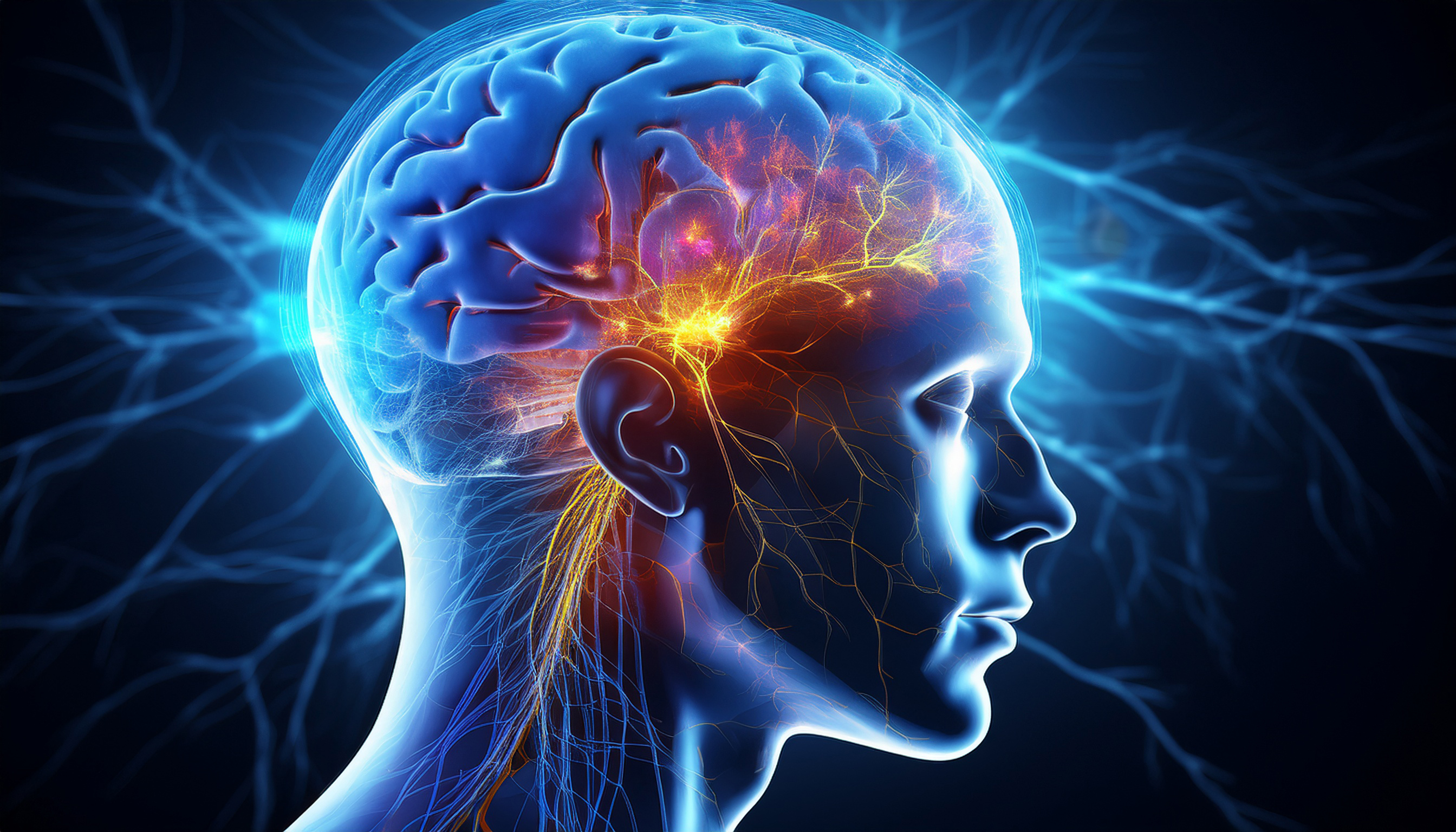
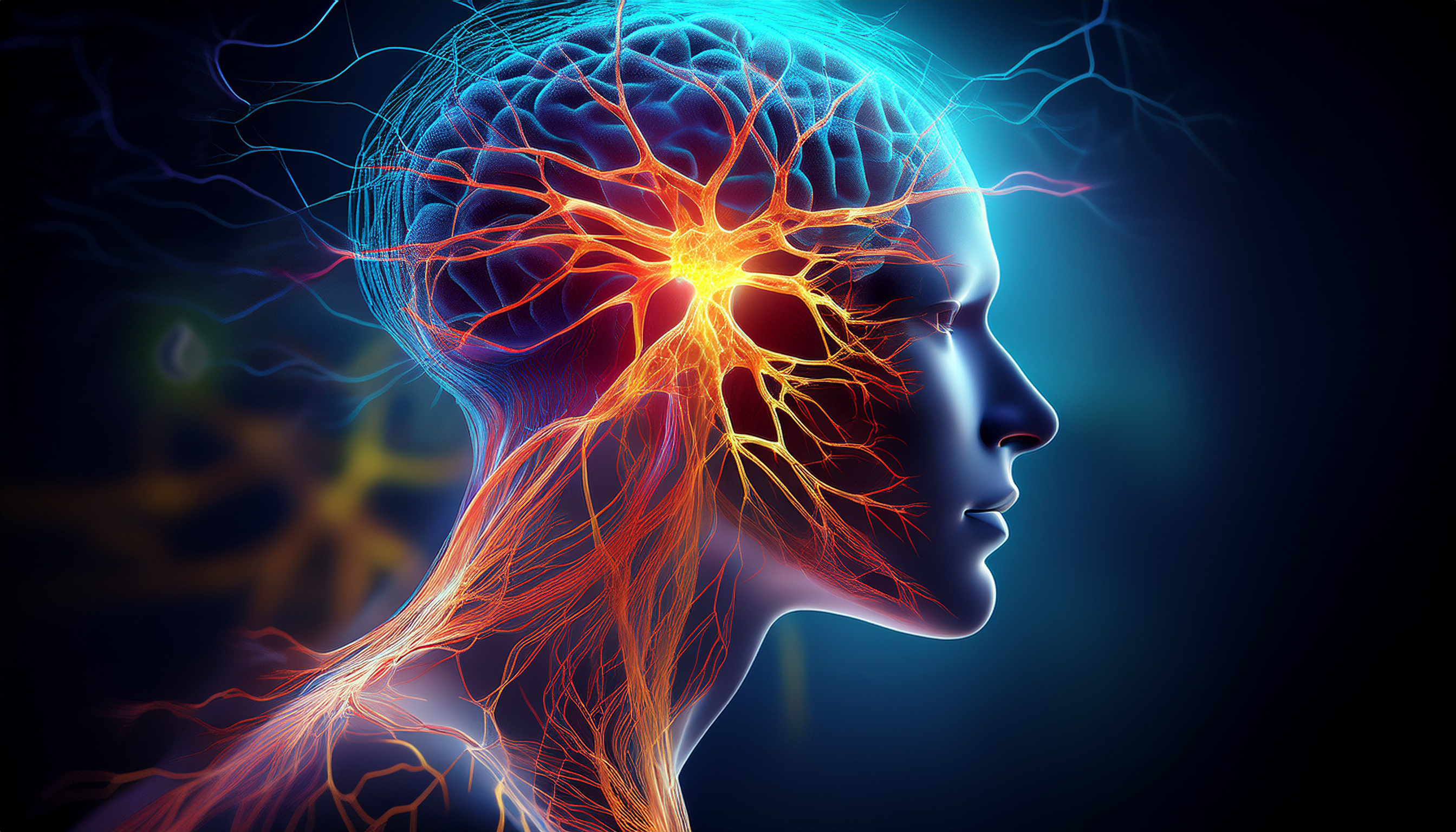
    Multiple Sclerosis (MS) is a chronic disease of the central nervous system characterized by inflammation and damage to myelin, the protective layer around nerve cells. This disrupts the transmission of signals between the brain and the rest of the body. MS can cause a wide range of symptoms, including muscle weakness, coordination problems, fatigue, and cognitive issues. But what exactly causes MS? Depending on the medical perspective, the cause is interpreted differently. In this comprehensive blog, we analyze the causes and symptoms of MS from various medical viewpoints.

    Common Symptoms of Multiple Sclerosis:

    • Muscle weakness and mobility issues

    • Fatigue

    • Sensory disturbances such as tingling or numbness

    • Vision problems, such as double vision or blurred vision

    • Balance and coordination issues

    • Cognitive difficulties, including memory and concentration problems

    • Bladder and bowel dysfunction

    Causes of Multiple Sclerosis According to Different Medical Perspectives

    Read more »
  9. Rheumatism: Causes and Symptoms from Different Medical Perspectives

    Rheumatism: Causes and Symptoms from Different Medical Perspectives

    What is Rheumatism?

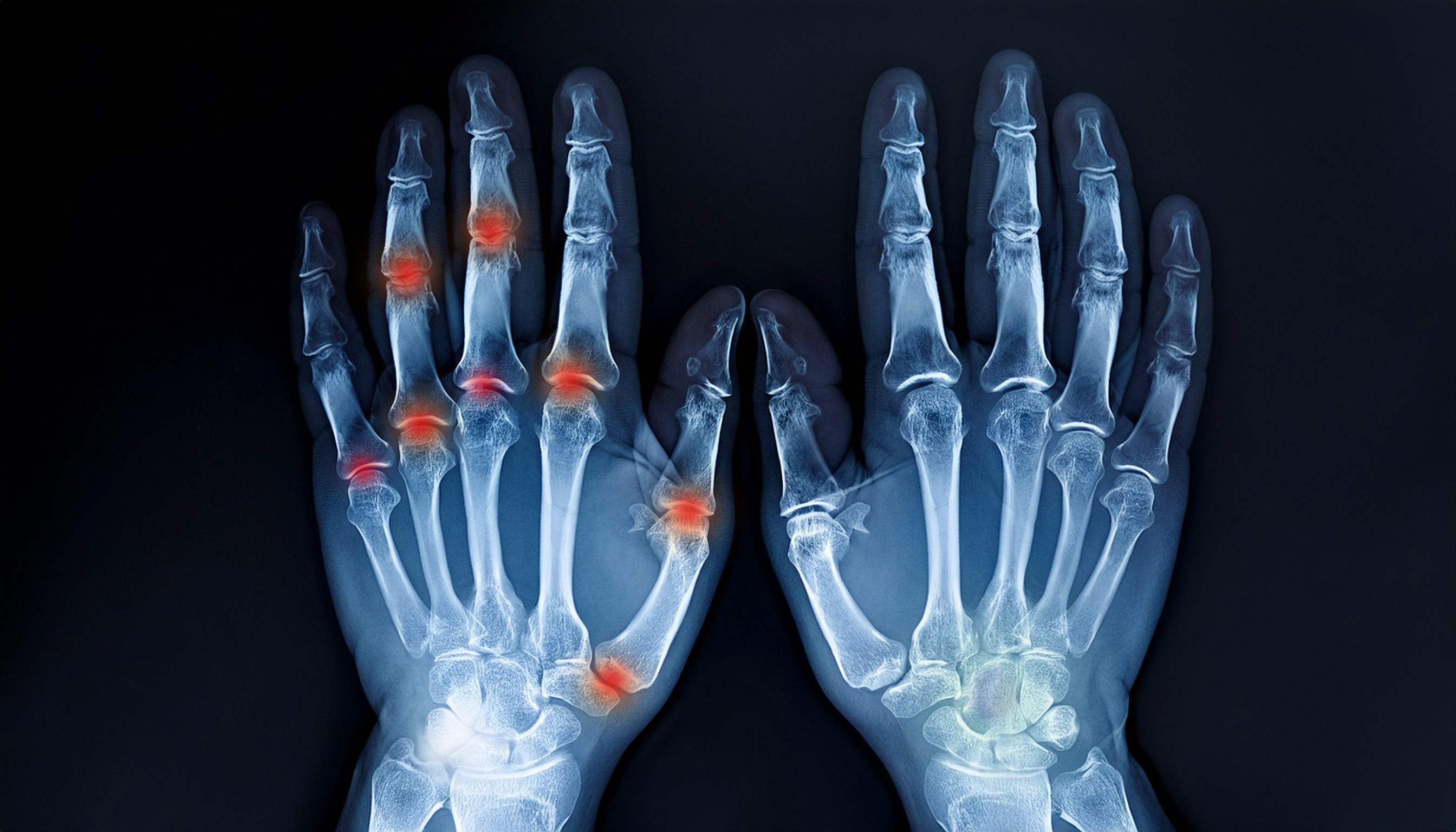
    Rheumatism is a common chronic condition that affects joints, muscles, and tendons. It causes pain, inflammation, and stiffness and can lead to significant limitations in daily life over time. But what exactly causes rheumatism? Depending on the medical perspective, the cause is interpreted differently. In this comprehensive blog, we analyze the causes and symptoms of rheumatism from various viewpoints.

    Rheumatism is an umbrella term for over a hundred conditions, including rheumatoid arthritis, osteoarthritis, gout, and ankylosing spondylitis. While symptoms can vary from person to person and by condition, there are several common complaints that most rheumatism patients experience.

    Common Symptoms of Rheumatism:

    • Joint pain and swelling

    • Morning stiffness

    • Fatigue

    • Movement restrictions

    • Warm sensation in the joints

    • Muscle weakness

    Causes of Rheumatism from Different Medical Perspectives

    Western Medicine: Autoimmune Disease and Genetic Factors

    In Western medicine, rheumatism

    Read more »
  10. Everything is Frequency: The Owl and the Nocturnal Symphony

    Owl listening to frequencies in the forest

    The night lay like a heavy blanket over the forest. The trees stood motionless in the windless air, and the moon cast its silver light on the canopy. It was a world of shadows and whispers, where most creatures rested, and only the nocturnal dwellers claimed their space. In the middle of this darkness flew an owl with broad wings gliding silently through the air. His name was Orion.

    Orion was no ordinary bird. His eyes could see what human eyes could not perceive, but it was his ears that made him a master of the night. He could hear what others could not: the tiniest movements, the faint rustle of leaves, the squeak of mice beneath the moss. For Orion, the night was not silent but a symphony of vibrations and frequencies, a language that told him where he needed to be.

    The Language of the Night

    High in the sky, Orion paused for a moment. His wings hardly moved as he turned his head to listen. The night spoke to him. A soft rustling of leaves, a faint echo of a twig snapping on the ground

    Read more »
Page
Made with StoreFrame.io Copyright © Meditech Europe