

As soon as summer arrives, we flock outside. The sun gives us energy, warms our bodies, improves our mood and is essential for the production of vitamin D. Sunlight is thus indispensable for our health and well-being. At the same time, exposure to sunlight comes with risks that we should not underestimate - especially because of the ultraviolet (UV) radiation associated with it. UV radiation is invisible, but it has a measurable, harmful impact on our skin, eyes and overall health. Again, it's all about balance. In this blog, you'll read what exactly UV radiation is, its effects on our bodies and how to protect yourself naturally and consciously.
Sunlight as a natural force: benefits for body and mind
Sunlight plays an essential role in various bodily processes. One of its best-known benefits is the production of vitamin D, a fat-soluble vitamin involved in calcium absorption, bone building, the immune system and muscle function. Although you can also get vitamin D through food or supplements, exposure to sunlight remains the most natural and efficient way for the body to make this substance itself.
In addition, sunlight has a positive impact on our mood. Exposure to daylight stimulates the production of serotonin, a neurotransmitter that contributes to a sense of well-being, calm and stability. Our sleep-wake rhythm (circadian rhythm) is also regulated by light. By taking in enough natural light during the day, we more easily produce melatonin - the hormone that promotes sleepiness - at night.
In short, sunlight is much more than just heat and light. It contributes to our mental resilience, physical health and daily energy balance. But as with anything, too much of a good thing can turn into something detrimental. In the next paragraph, therefore, we will discuss the less visible side of sunlight: UV radiation.
What exactly is UV radiation - and what does it do to your skin?
Ultraviolet radiation, or UV radiation for short, is a form of electromagnetic radiation that comes from the sun. Although we cannot see or feel UV radiation, it does affect our skin and health. UV radiation is divided into three types: UV-A, UV-B and UV-C. Each type has a different wavelength and effect.
UV-A penetrates the skin the deepest. This radiation is present year-round, even when overcast or behind glass. UV-A plays a major role in skin aging, loss of elasticity and can contribute to DNA damage in skin cells. This radiation also increases the risk of skin cancer if overexposed.
UV-B reaches the upper skin layers and is responsible for skin tanning, as well as sunburn. UV-B is the main causative agent of sunburn and, when exposed in excess, increases the risk of skin cancer.
UV-C is the most powerful and harmful form of UV radiation. Fortunately, UV-C is completely blocked by the ozone layer, and does not reach the earth's surface. In everyday life, we encounter UV-C mainly through artificial sources, for example in sterilization lamps or laboratories.
Although UV-A and UV-B in particular are responsible for skin damage, total exposure - also called the cumulative UV dose - plays an important role in how the skin ages or reacts in the long term. Unprotected or prolonged exposure can lead to pigmentation, sagging skin and, in severe cases, even skin tumors.
In the next paragraph, we look at how to prevent these harmful effects without completely distancing yourself from sunlight.
Preventing UV damage: how to properly protect your body
Sunlight has obvious benefits, but prolonged or intense exposure to UV radiation can damage your skin and health over time. Fortunately, there are several ways to protect yourself responsibly - without having to stay completely out of the sun.
One of the most simple and effective measures is to avoid the sun during peak hours, usually between noon and 3 p.m. This is when the sun is at its highest and UV radiation is strongest. Seeking shade, wearing a cap or hat, and airy, long-sleeved clothing are natural forms of sun protection that are often underestimated.
It is also important to be careful when choosing sunscreens. Many common sunscreen products contain synthetic UV filters such as oxybenzone or octinoxate, which can not only irritate the skin but also have harmful effects on the environment (such as coral bleaching in seas). More conscious users are therefore more likely to choose physical (mineral) sunscreens, such as zinc oxide or titanium dioxide. These put a layer on the skin that reflects sunlight, rather than absorbing it into the skin.
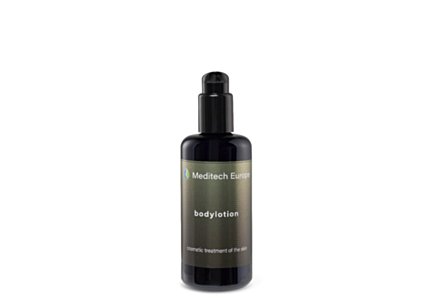
In addition to protection while sunbathing, post-exposure care is essential. Well-hydrated skin recovers faster and stays balanced longer. Natural care cosmetics without harmful ingredients can support this.
So sun protection is not only about what you put on your skin, but also about being aware of exposure, making choices that suit your skin, and knowing when to seek shade. In the next paragraph, we explore the importance of natural skincare as a sustainable complement to UV-conscious behavior.
Choosing consciously: why natural skin care is becoming increasingly important
Our skin is the body's largest organ and forms the first barrier against external influences - including sunlight. This is precisely why it deserves care and attention, especially in the summer months when the skin is more exposed to UV radiation, wind, heat and dehydration. Good skin care not only helps to keep the skin balanced, but also to support its natural ability to recover. More and more people are consciously choosing natural skin care products, in part because of growing concerns about synthetic ingredients in common cosmetics.
Natural products often contain plant oils, botanical extracts and skin-friendly active ingredients that are well absorbed by the skin and contribute to regeneration and hydration.
Especially after sun exposure, a caring routine with mild, pure products can make all the difference: reducing redness, preventing flaking and restoring skin comfort.
Nutrition and supplements as natural sun protection
Surprisingly, what you eat can also affect how your skin deals with sunlight. Certain nutrients help protect the skin from the harmful effects of UV radiation from the inside out.
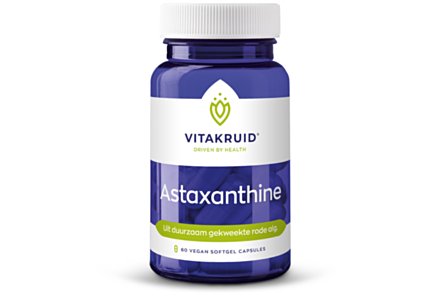
Consider antioxidants such as astaxanthin, a powerful pinkish-red pigment found naturally in algae and seafood.
Carotenoids such as beta-carotene (from carrots and orange vegetables, among others) and lycopene (richly present in tomatoes and tomato paste) are also known to support sun exposure.
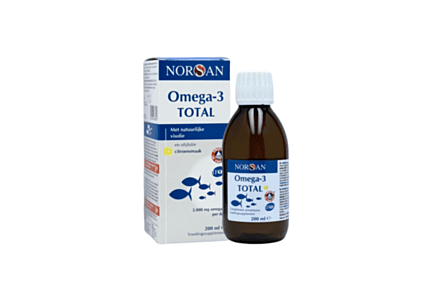
In addition, omega-3 fatty acids, found in oily fish, flaxseed and walnuts, contribute to calm, less irritated skin.
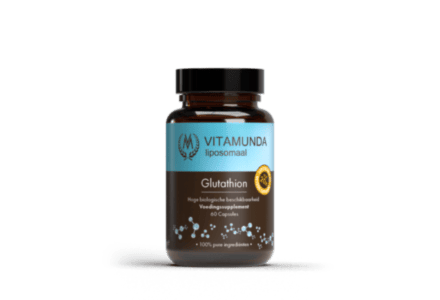
Glutathione, a body's own antioxidant, also helps neutralize free radicals - aggressive particles created by UV radiation.
You can get these substances through food, but they can also be deliberately supplemented - especially in the summer months - with high-quality supplements. In this way, you support your skin naturally, from the inside out.
Sunbathing with intelligence: practical tips for a conscious summer
Sunlight is valuable - for your body, your mind and your overall health. But as with diet or exercise, it's all about getting the right dose. By making conscious choices, you can enjoy the benefits of the sun without unnecessary risks to your skin or health.
These practical tips will help you make the most of your summer days:
Build up exposure slowly, especially in spring or with fair skin.
Avoid the sun at the hottest part of the day (between noon and 3 p.m.).
Prevent sunburn: as soon as your skin feels hot, red or prickly, it's best to get out of the sun.
Opt for natural protection such as clothing, shade and a hat.
Use sunscreen with a physical (mineral) filter, free of harmful additives.
Care for your skin after exposure with mild, natural products.
Drink plenty of water to prevent dehydration from within.
Listen to your body: fatigue, headaches or tight skin? That's often a signal that you've had enough sun.
A healthy summer begins with awareness. By using sunlight wisely, you support your body naturally - from the inside and from the outside. Good skin care, conscious nutrition and sunlight in the right dosage together form the basis for a vital summer with respect for your skin and your environment.
Want to know more about natural skin care?
At Meditech Europe we like to think along with you. We are happy to advise you about our care products and supplements that can support your skin from within during the sunny months. Feel free to contact us - we are happy to help!





 Made with