

Welcome to this blog about algae. Algae are single-celled or multi-celled organisms that thrive in a variety of aquatic environments, from lakes to oceans. Although often overlooked, algae are one of the oldest life forms on Earth and contain a wealth of nutrients. There are many types of algae, including Spirulina and Chlorella, two of the most studied and prized algae for their nutritional density and health benefits. Let's take a deep dive into the world of algae and discover why we consider them superfoods.
What are Algae
Algae or seaweeds are single-celled or multi-celled organisms that use photosynthesis to convert energy from sunlight into nutrients. They are a diverse group and can be found in a variety of environments, such as oceans, lakes, rivers, and even on moist surfaces such as rocks and trees. Some important characteristics of algae are:
Photosynthesis: Algae are capable of photosynthesis, using sunlight to convert carbon dioxide and water into glucose and oxygen. This process is essential for the production of food and oxygen in many ecosystems.
Diversity: Algae are a diverse group of organisms, including green algae, brown algae, red algae, blue-green algae (cyanobacteria), and diatoms. They differ in size, shape, structure and life cycle.
Environmental Importance: Algae play a crucial role in ecosystems by providing food and oxygen to other organisms. They are also involved in the carbon cycle by absorbing carbon dioxide from the atmosphere.
Biotechnological uses: Algae have promising applications in various industries. They are used for the production of biofuels, food additives, medicines and even as biofertilizers.
Aquaculture: Algae are often grown in aquaculture for various purposes, such as fish and shellfish food, water purification, and as a raw material for various industrial processes.
Nutrition: Some algae are used as food for humans. For example, seaweed, a type of brown algae, is consumed across cultures. In addition, algae are used as nutritional supplements due to their rich content of vitamins, minerals and other nutrients. Such as Chlorella and Spirulina.
All in all, algae play a crucial role in various ecological and industrial processes and contribute to environmental and human health.
Algae as superfoods
Algae are considered superfoods due to their exceptionally high concentration of nutrients and health-promoting properties. Below is a brief summary of why this is the case:
Rich in nutrients: Algae, such as spirulina and chlorella, are very rich in nutrients such as proteins, vitamins (especially B vitamins), minerals (iron, calcium, magnesium), chlorophyll and antioxidants. These nutrients are essential for good health and well-being.
Complete protein: Some algae contain an impressive amount of high-quality protein, including all the essential amino acids that the human body cannot produce on its own. This makes algae a valuable source of protein, especially for vegetarians and vegans.
Omega-3 fatty acids: Certain algae, such as microalgae, are a plant source of omega-3 fatty acids, especially EPA (eicosapentaenoic acid) and DHA (docosahexaenoic acid). These fatty acids are beneficial for heart and brain health.
High Chlorophyll Content: Chlorophyll, the green pigment in algae, has powerful antioxidant properties and is sometimes considered a natural detoxifying agent for the body. It also helps purify the blood and promote healthy skin.
Minimal calories and fat: In general, algae are low in calories and fat, making them suitable for those looking for nutritious, low-calorie food options.
Iodine source: Some algae, especially brown algae such as kombu, are a natural source of iodine. Iodine is essential for healthy thyroid function, which is important for regulating metabolism.
Immune Support: The presence of several bioactive compounds in algae can boost the immune system and help protect against disease.
Sustainability: Growing algae is generally environmentally friendly, as they require little land and water compared to traditional agricultural crops.
Algae as a nutritional supplement
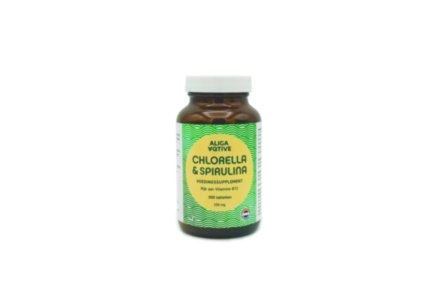
Algae are increasingly being used as dietary supplements due to their impressive nutritional profile. Microalgae such as spirulina and chlorella are particularly popular because of their high content of proteins, vitamins, minerals, and antioxidants.
Macroalgae, such as kelp and other seaweed, are also gaining ground as supplements. Kelp is rich in iodine, which is essential for healthy thyroid function. Below is a summary of these four types of algae:
Spirulina
Spirulina is a blue-green microalgae and is known as one of the most complete plant-based protein sources. It contains vitamin B12, iron, and the antioxidant phycocyanin, among other things. Spirulina supports energy metabolism and the immune system and is often used in detox treatments.
Chlorella
Chlorella is a green single-celled algae with an exceptionally high chlorophyll content. It helps detoxify heavy metals and supports digestion and immunity. Thanks to its rich content of vitamins, minerals, and omega-3 fatty acids, it is a popular supplement to a plant-based diet.
Kelp
Kelp is a brown seaweed (macroalgae) best known for its high natural iodine content, which is essential for proper thyroid function. Kelp also contains fiber and minerals such as calcium, magnesium, and potassium. Kelp is available as a supplement in tablet or powder form.
Seaweed
Seaweed is the collective name for various macroalgae, including nori, wakame, and dulse. These algae contain antioxidants, polysaccharides, and are rich in fiber and micronutrients. Seaweed is used both culinarily and as a supplement and supports intestinal health, the immune system, and mineral balance.
Possible effects of algae on health
Algae are increasingly being used as a natural health supplement. Both microalgae and macroalgae contain a wide range of vitamins, minerals, antioxidants, and plant proteins that can contribute to energy metabolism, immune function, detoxification, and healthy digestion, among other things. The exact effects vary depending on the type of algae and depend on the composition and form of use.
Would you like to know more about the specific health benefits of spirulina and chlorella? Then read our comprehensive blog: Why Spirulina and Chlorella are a powerful superfood combination.
Use and safety
When using algae products, it is important to start with a low dosage and gradually increase it to the recommended dosage in order to give the body time to adjust and minimize any negative reactions. It is also recommended to choose products of high quality and purity. Combining algae supplements such as Spirulina and Chlorella is perfectly possible and can offer synergistic benefits due to their complementary and reinforcing properties.
Finally, it is important to note that the response to dietary supplements can vary from person to person. It is always wise to be cautious when introducing new supplements, especially if you are pregnant, breastfeeding, have specific health issues, or are taking other medications. In such cases, consult a healthcare professional before making any major changes to your diet or supplement regimen.
Conclusion
Algae are versatile and powerful superfoods that are naturally packed with nutrients. Whether you choose microalgae such as spirulina and chlorella, or macroalgae such as kelp and seaweed, algae can contribute to a healthy lifestyle in various ways. They are available in food and as convenient dietary supplements, tailored to a variety of health goals.
Would you like personal advice on which algae supplement is best for you? Contact us at info@meditecheurope.nl or call us at +31 527 292 331.
Last update: July 31, 2025, with additional information about kelp and seaweed.






 Made with