
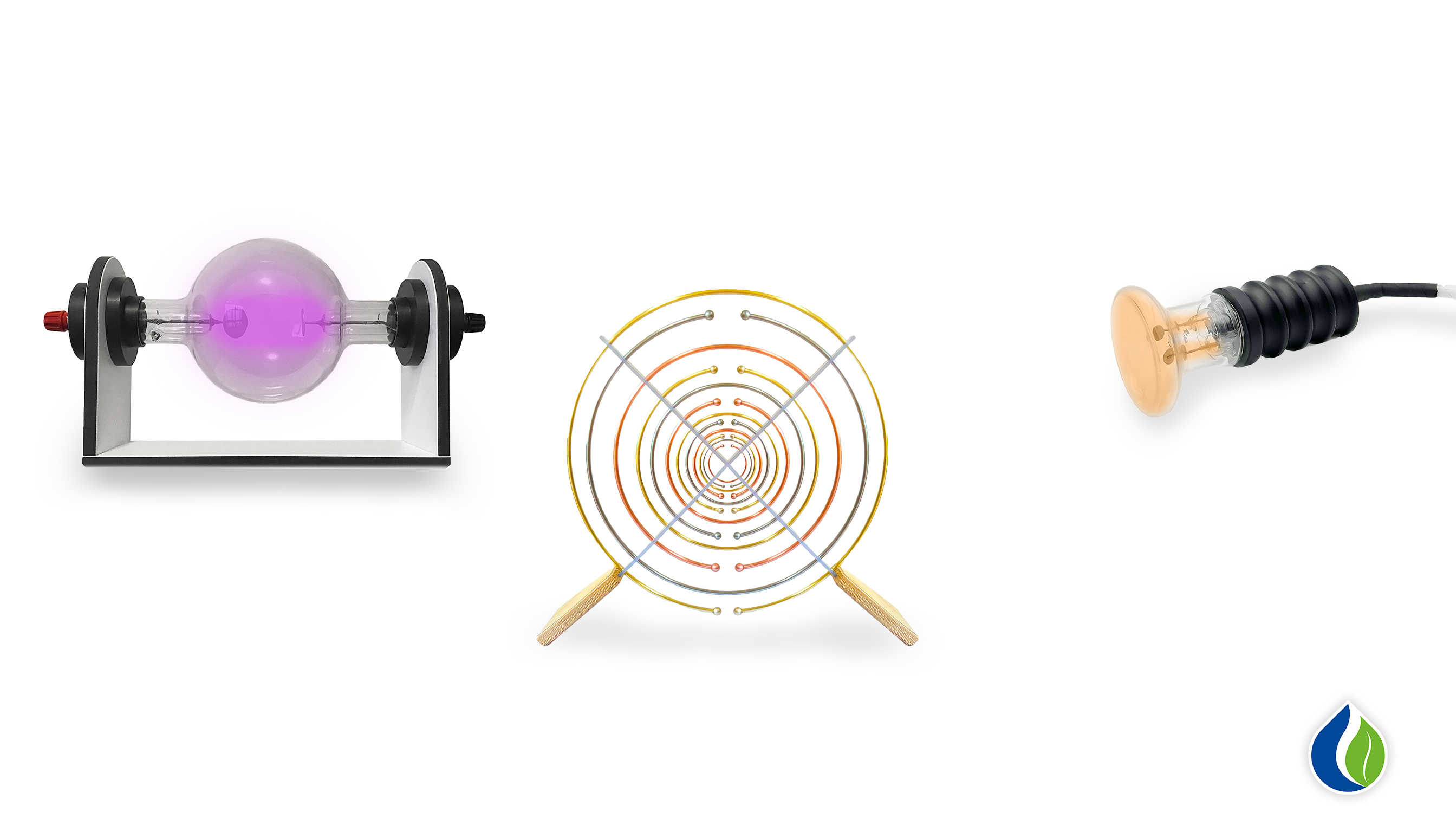
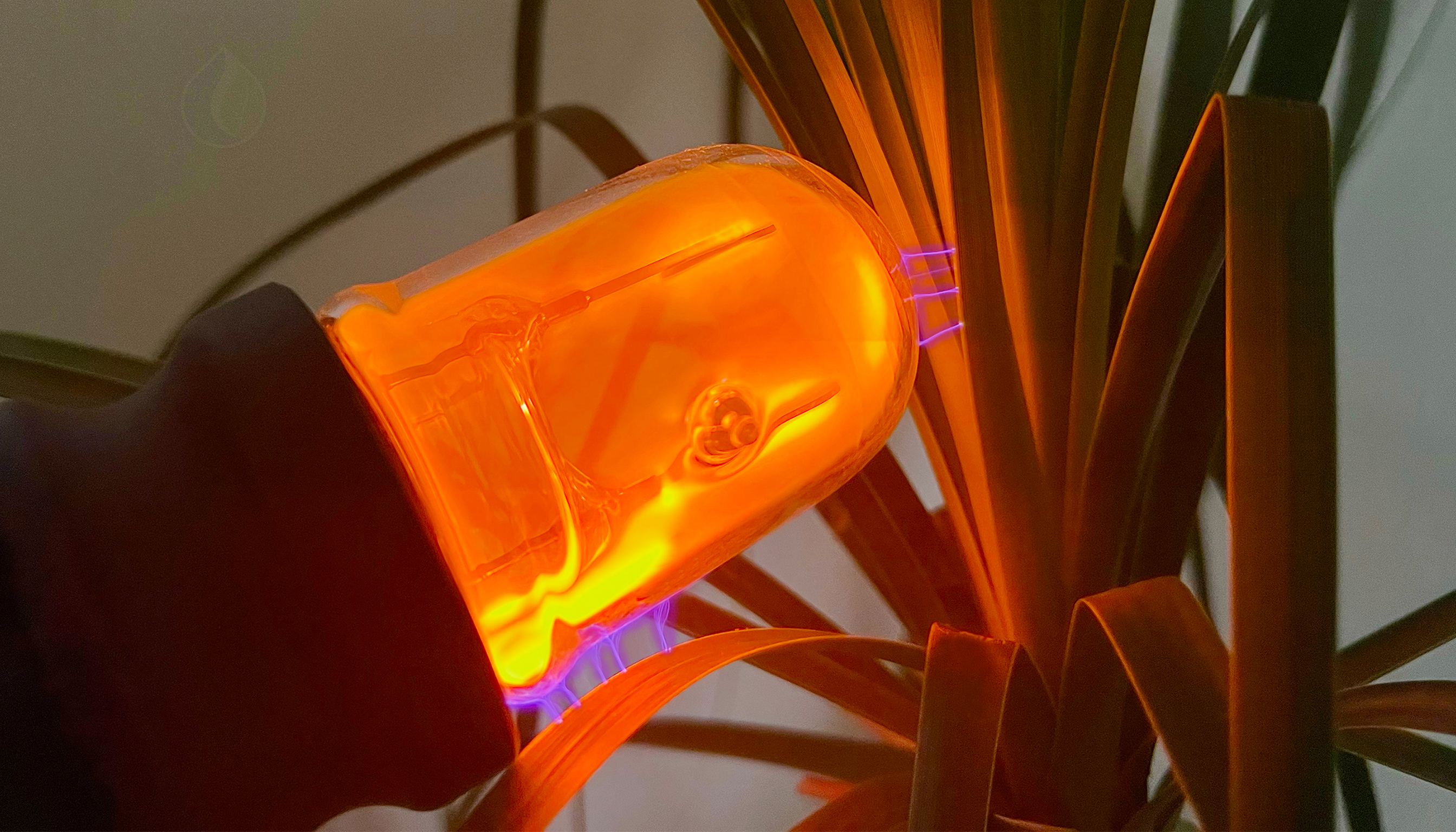
The Multiwave Oscillator (MWO) is an innovative product recognized worldwide for its ability to generate a broad frequency spectrum, ranging from 10 Hz to an impressive 30 GHz. These capabilities often raise questions: how can a product like the MWO produce such a vast frequency range? In this blog, we explain this process step by step, delving into the scientific principles behind resonance, electromagnetic waves, and the unique technology of the MWO.
The Foundation: Resonance, Wavelengths, and the Speed of Light
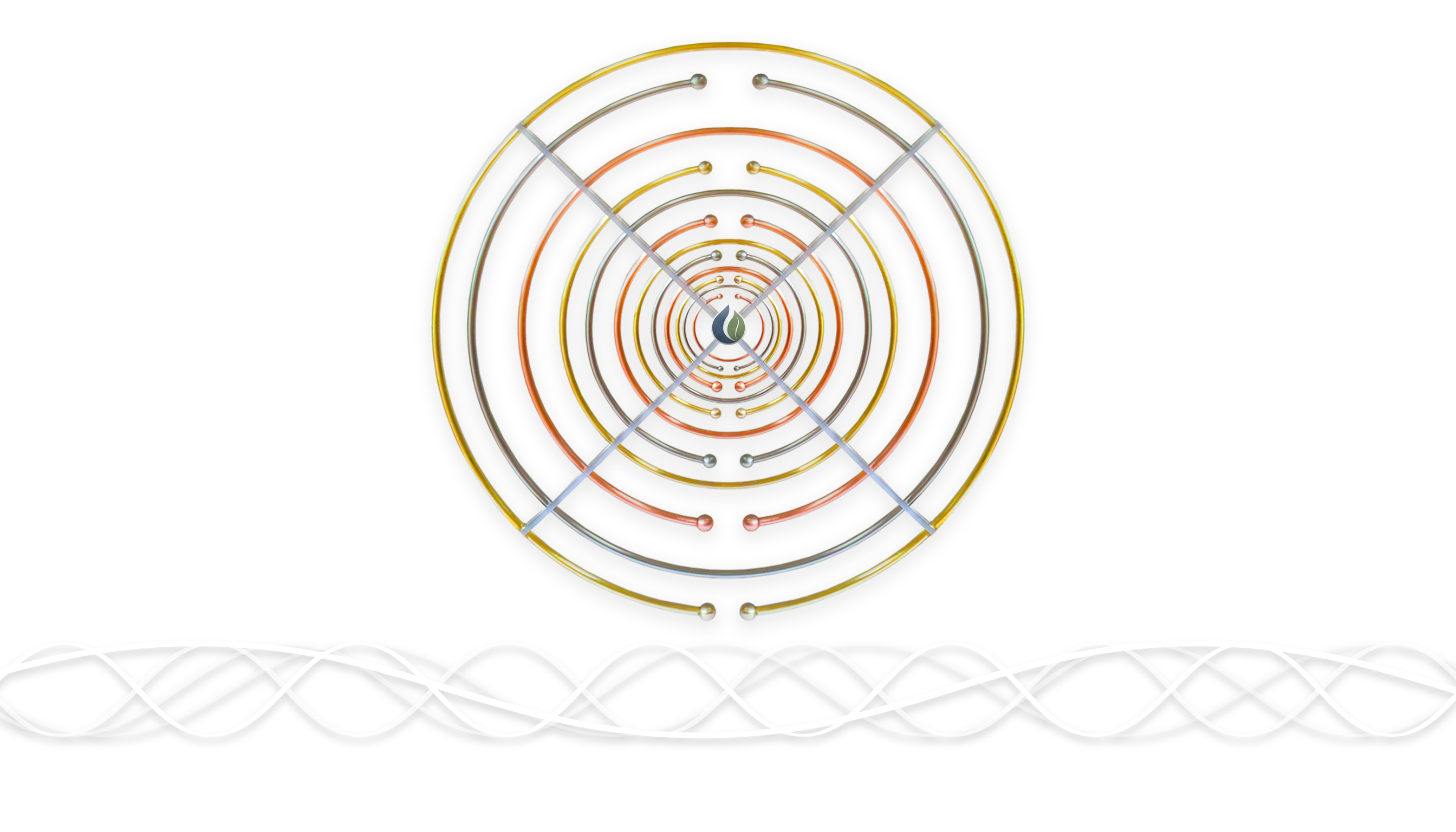
The Multiwave Oscillator is based on the groundbreaking work of Georges Lakhovsky, who discovered that specific electromagnetic frequencies could support biological processes. The product uses multiple concentric, open rings of varying diameters. These rings function as broadband resonators, each with a specific primary resonance frequency determined by its size.
The primary resonance frequency of a ring is calculated using the following formula:
frequency (fₑₛₛ) = speed of light











 Made with