
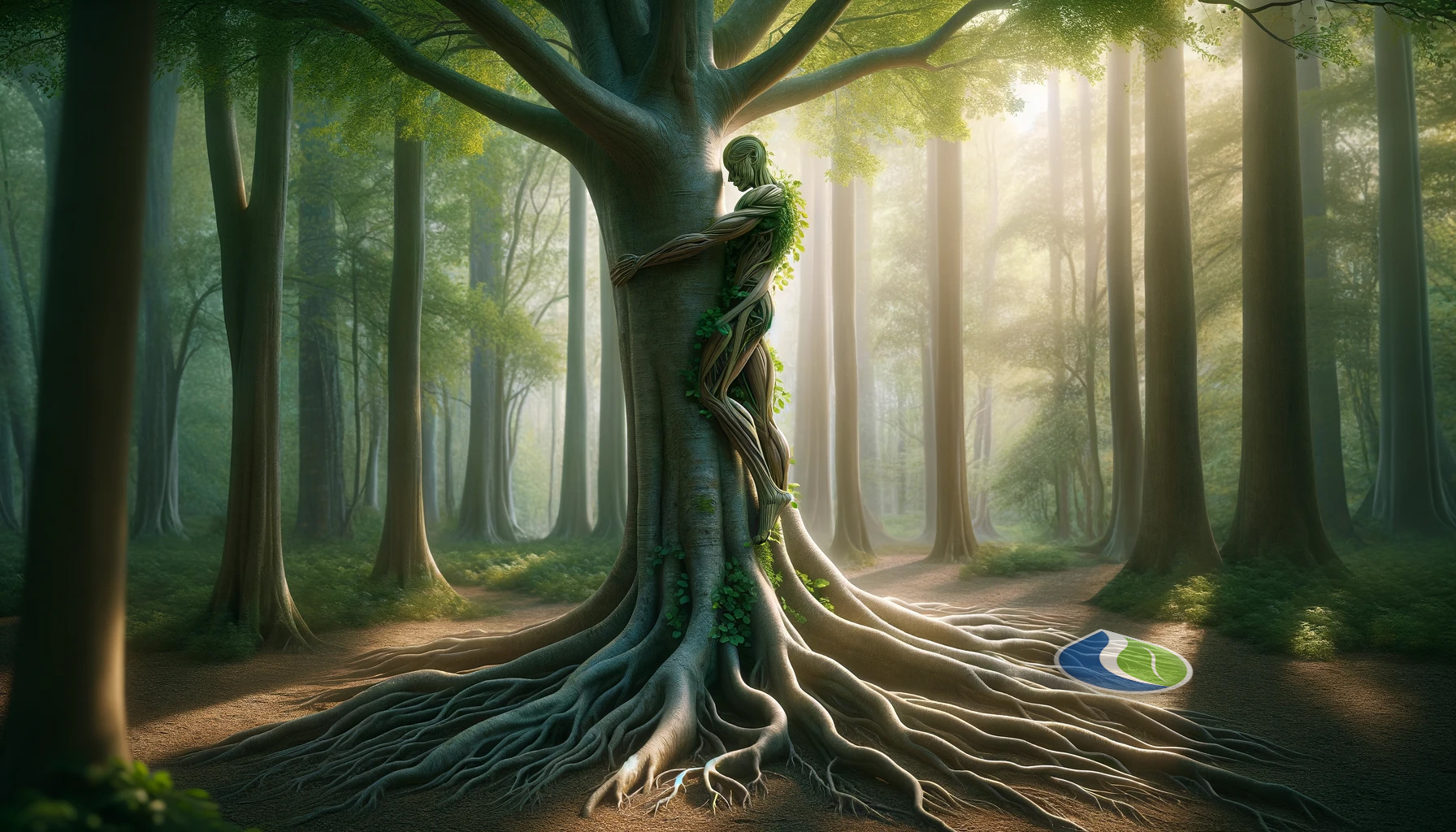
The world of biology is filled with an incredible diversity of life forms. From the smallest micro-organisms to the largest mammals, each organism has its own unique characteristics and functions. In this comprehensive blog, we will delve into the biological description of plants and mammals, how they are built, their metabolism, immune system, and ultimately, the fascinating similarities that exist between them. This knowledge can be enriching not only for biology enthusiasts, but also for those interested in understanding certain products from Meditech Europe.
Plants
What is the biological description of a Plant?
Plants belong to the realm of organisms known as Plantae. They are mostly unicellular or multicellular photosynthetic autotrophs, meaning they produce their own food using sunlight, water and carbon dioxide. Plants are essential for feeding many other life forms on Earth and contribute to oxygen levels in the atmosphere.
How is a plant structured?
Plants have a unique structure




 Made with