Opinion

  1. Why does healthcare still not work for women?

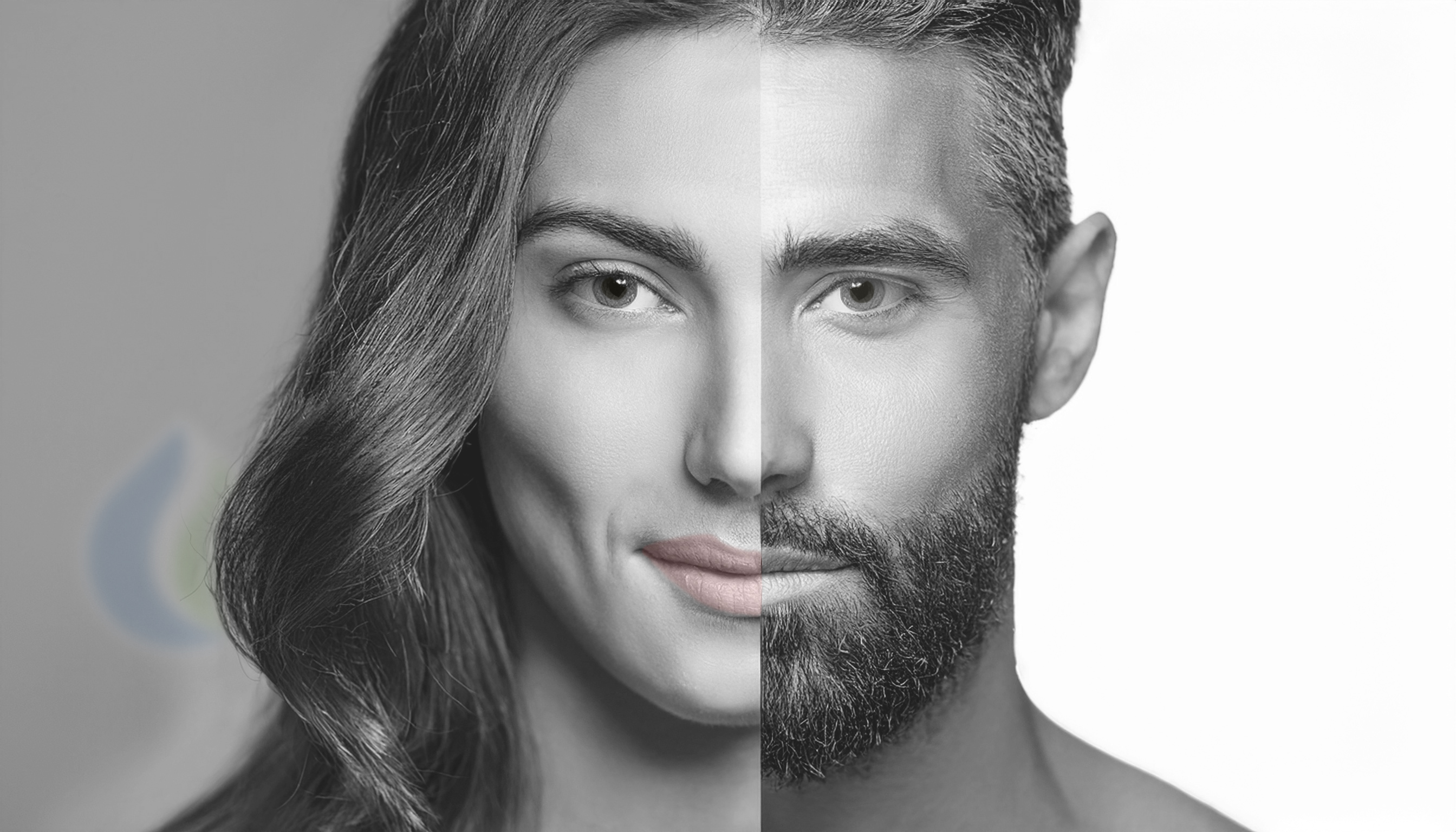
    Composite portrait of a face that is half female and half male, symbolizing the biological differences between men and women.

    The differences between female and male bodies are enormous. Yet medical science has ignored this for decades. Almost all medicines, dosages, and treatment methods have been tested on men—and women pay the price for this. But how is this possible? And why are the differences between men and women so great?

    The female body: different, more complex, and often ignored

    Medical science has long acted as if the male body is the standard. In clinical studies, drug trials, and even in medical training, the body of the healthy, young man was taken as the starting point. The female body—with fluctuating hormones, a different metabolism, and unique biological processes—was seen as “difficult,” “complex,” or simply not taken into account.

    Only in recent years has awareness grown that these differences are not only biologically logical, but also medically crucial.

    How big are the differences between men and women really?

    Aspect

    Male body

    Female body

    Hormone balance

    Relatively stable testosterone level

    Read more »
  2. Don't Let Fear Win: Discover the Power of Curiosity

    Young girl looks in wonder at an insect on her hand – a symbol of curiosity and freedom instead of fear.

    Fear is a feeling that affects us all. It wants to protect us, but it also often paralyzes us. We withdraw, procrastinate, or don't dare to do something—while deep down we actually long for movement, growth, and freedom. In this blog, we explore how fear works—not only from the outside, but also from the inside. We also briefly consider how it manifests itself in your body and how it influences your thinking, but also what you can do to counteract it. We take you through the ideas behind our intention card “Don't let fear win” and show you how curiosity can be a surprisingly powerful antidote. Curiosity invites you to keep looking, feeling, discovering – even when you're not sure about everything.

    What is fear and why does it hold you back?

    Fear is often seen as a negative emotion, but it has a clear function: it wants to protect you. However, that protection does not always work in your favor. Fear can turn into an invisible chain—a force that holds you back and controls you, often without

    Read more »
  3. Why doesn't everyone get the Flu in Winter?

    Why doesn't everyone get the Flu in Winter?

    Every winter they pop up: colds, flu waves and viruses that seem to spread at lightning speed. Yet something strange is going on. If illness really is caused only by viruses floating around - as Louis Pasteur's famous theory suggests - why doesn't everyone get sick? Why do some remain in perfect health while others lie in bed for days? Interestingly enough, in Pasteur's time there was another scientist, Antoine Béchamp, who thought very differently. His ideas have been largely forgotten, but perhaps it is time to re-examine them....

    Louis Pasteur and his germ theory

    Louis Pasteur (1822-1895) was a French chemist and biologist with an insatiable curiosity about nature. He originally engaged in crystallography, but soon his focus shifted to microbiology.

    Crystallography is the science that deals with the structure and properties of crystals. It examines how atoms and molecules arrange themselves in a crystal and how these structures affect the behavior of materials.

    At a time when many scientists

    Read more »
  4. Regulations and Health: Who Decides What Is Good for Us?

    Regulations and Health: Who Decides What Is Good for Us?

    Health and supplement regulations are becoming increasingly strict. For several years now, we have not been allowed to state that nano silver and nano gold are suitable for ingestion. As of this year, the regulations go even further: nano silver and nano gold can no longer be used in cosmetic products. This decision lumps all nano materials together under the same restrictions. But why is this happening, and what does it mean for the future of natural products?

    Why Are Nano Silver and Nano Gold Being Restricted?

    Nano silver and nano gold have been used for centuries. Silver is well known for its antibacterial properties and was historically used in wound dressings and water purification. Nano gold has long been utilized in specific therapeutic applications and high-quality skincare. Until the late 20th century, these substances were even officially registered as medicines.

    However, for several years, we have not been allowed to state that these products are suitable for ingestion. And now,

    Read more »
  5. The Impact of Anger and Fear on Our Bodies: How Polarization Affects Our Health

    The effects of anger and fear on the human body amidst global polarization

    We live in a time when anger and fear dominate. From wars fueled by religious or historical tensions to societal unrest about leadership, policies, and the future of our planet. Think of the COVID-19 pandemic, where proponents and opponents were fiercely divided, or the climate debate, which has polarized those who believe in human impact versus those who suspect economic or political motives. This ongoing polarization not only leaves deep marks on our society but also on our bodies. What does this emotional turmoil do to our physical well-being? We explore how anger and fear impact our health through different perspectives.

    Psychosomatics: The Physical Manifestation of Emotions

    Modern medicine acknowledges that emotions like anger and fear directly impact our bodies. Chronic stress caused by societal tensions activates the sympathetic nervous system, keeping the body in a constant “fight-or-flight” mode. Heart rate accelerates, blood pressure rises, and the stress hormone cortisol is overproduced.

    Read more »
  6. Journey to Harmony and Balance Together

    The Mission, Vision and Strategy of Meditech Europe

    Welcome to Meditech Europe, where harmony and balance are at the heart of everything we do. Since 2019, our family-owned business has been led by Marijn & Jolanda and Rovin & Cynthia, who work alongside a dedicated team to support customers on their wellness journey. Through innovative solutions, we aim to help people become aware of the power of their own energy and intentions. Our mission is simple: a life in balance for everyone who seeks it.

    Harmony and Balance for Everyone

    At Meditech Europe, we believe that harmony and balance are within reach for everyone. Our vision is a world where people are balanced not only physically, but also emotionally and energetically. We strive for a society where wellness and self-awareness go hand in hand. In a world full of distractions and pressure, our mission is to give people a chance to pause, rediscover their energy, and live from their core.

    Innovation and Quality as Our Foundation

    Meditech Europe offers a wide range of innovative products that

    Read more »
  7. Summer and Winter Time: Effects on Our Biological Clock

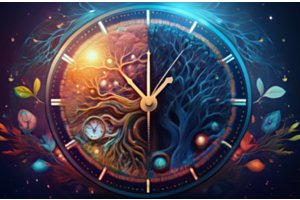
    Clock between winter and summer landscape, symbolizing the difference in time between winter and summer time.

    Twice a year, the clock goes forward or back an hour, and has done so for decades. Although this habit was originally introduced to save energy and make better use of daylight, today its effect is increasingly debated. For many people, adjusting the clock not only feels like an inconvenience, but also involves disruptions in our body's natural rhythms. After all, our internal biological clock is tuned to the natural course of day and night, and for some, this disruption can lead to sleep disturbances and reduced productivity. More and more voices are therefore advocating the elimination of these time changes. In this blog, we take a closer look at the impact of summer and winter time on our biological clock and why it may be time to leave this tradition behind, as well as what you can do to alleviate the suffering while it is not yet the case.

    What is Daylight Saving Time

    Daylight saving time is the period of the year when the clocks are moved forward one hour to enjoy longer daylight.

    Read more »
  8. The Influence of Self-Esteem on Health | Meditech Europe

    The Influence of Self-Esteem on Health | Meditech Europe

    Self-esteem plays a crucial role in a person's life. It affects not only our mental state but also our physical health. People with high self-esteem rarely face health problems and often make better choices regarding sports, nutrition, and other activities. In this comprehensive blog, we will explore the connection between self-esteem and health, as well as insights from Germanic Medicine on the impact of experiences, events, and traumas on self-esteem and the resulting health consequences.

    What is Self-Esteem?

    Self-esteem, also known as self-worth, refers to the degree to which a person values and respects themselves. It encompasses a combination of self-confidence, self-respect, and a positive self-image. People with high self-esteem feel competent and worthy, while those with low self-esteem often struggle with feelings of inadequacy and self-doubt.

    Components of Self-Esteem:

    1. Self-Confidence: Belief in one's abilities and skills.

    2. Self-Respect: The feeling of worthiness and respect for

    Read more »
  9. The Risks of Sugar Substitutes: A Comprehensive Analysis

    The Risks of Sugar Substitutes: A Comprehensive Analysis

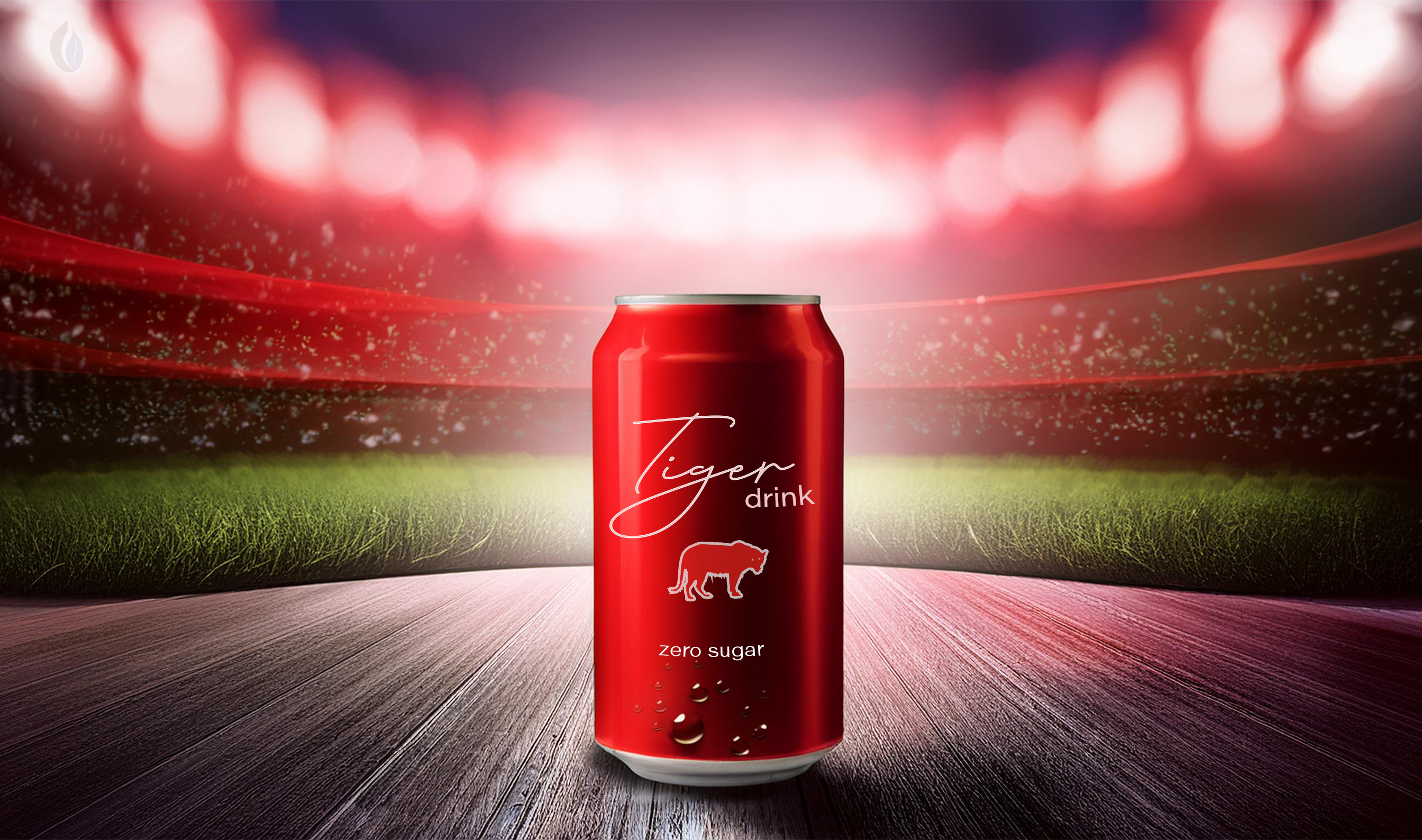
    Sugar is omnipresent in our modern diet, and its negative health effects are well-documented. As a result, consumers increasingly turn to sugar substitutes to limit their sugar intake. These alternatives, often used in "light" and "zero" products, are typically presented as healthier than sugar. However, it is crucial to critically examine these substances and consider their potential health risks. This article provides an extensive and critical analysis of various sugar substitutes, including their benefits, risks, and the reliability of official agency recommendations.

    Artificial Sweeteners: Aspartame, Sucralose, and Acesulfame-K

    Aspartame

    Aspartame is one of the most widely used artificial sweeteners and is found in a wide range of products, such as soft drinks, desserts, and gum. It is about 200 times sweeter than sugar and is considered safe by official agencies like the FDA and EFSA within the acceptable daily intake (ADI).

    Health Risks

    However, various alternative sources highlight

    Read more »
  10. The Devastating Impact of Sugar on Your Health: A Comprehensive Analysis

    The Devastating Impact of Sugar on Your Health: A Comprehensive Analysis

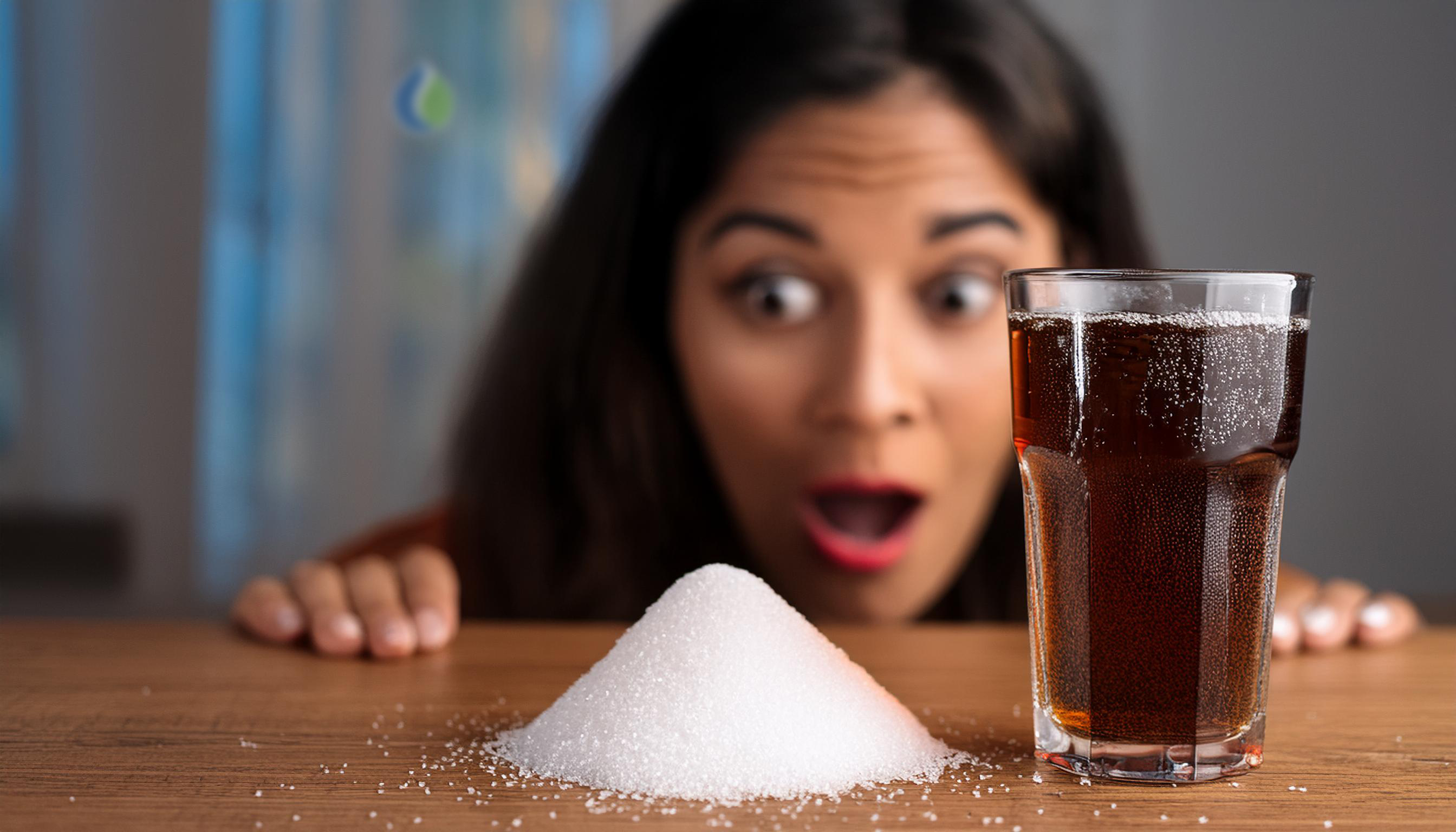
    Sugar, an omnipresent ingredient in our modern diet, is often a topic of discussion when it comes to health and well-being. It is found almost everywhere, from our coffee and tea to our snacks and meals. But what exactly does sugar do to our bodies? This extensive blog from Meditech Europe delves deep into the many negative effects of sugar on our health and why it is essential to limit our sugar intake.

    What is Sugar?

    Sugar is a simple carbohydrate that provides energy to our bodies. The most common forms of sugar are glucose, fructose, and sucrose. While sugar itself is not necessarily bad, the problem becomes apparent when we consume it in large quantities, often without realizing it. Many processed foods contain hidden sugars that contribute to excessive intake.

    Demineralization by Sugar

    Calcium and Bone Health

    Sugar is known to disrupt the mineral balance in our bodies, especially calcium. The process of demineralization involves sugar pulling calcium from our bones, leading to osteoporosis.

    Read more »
Page
Made with StoreFrame.io Copyright © Meditech Europe