
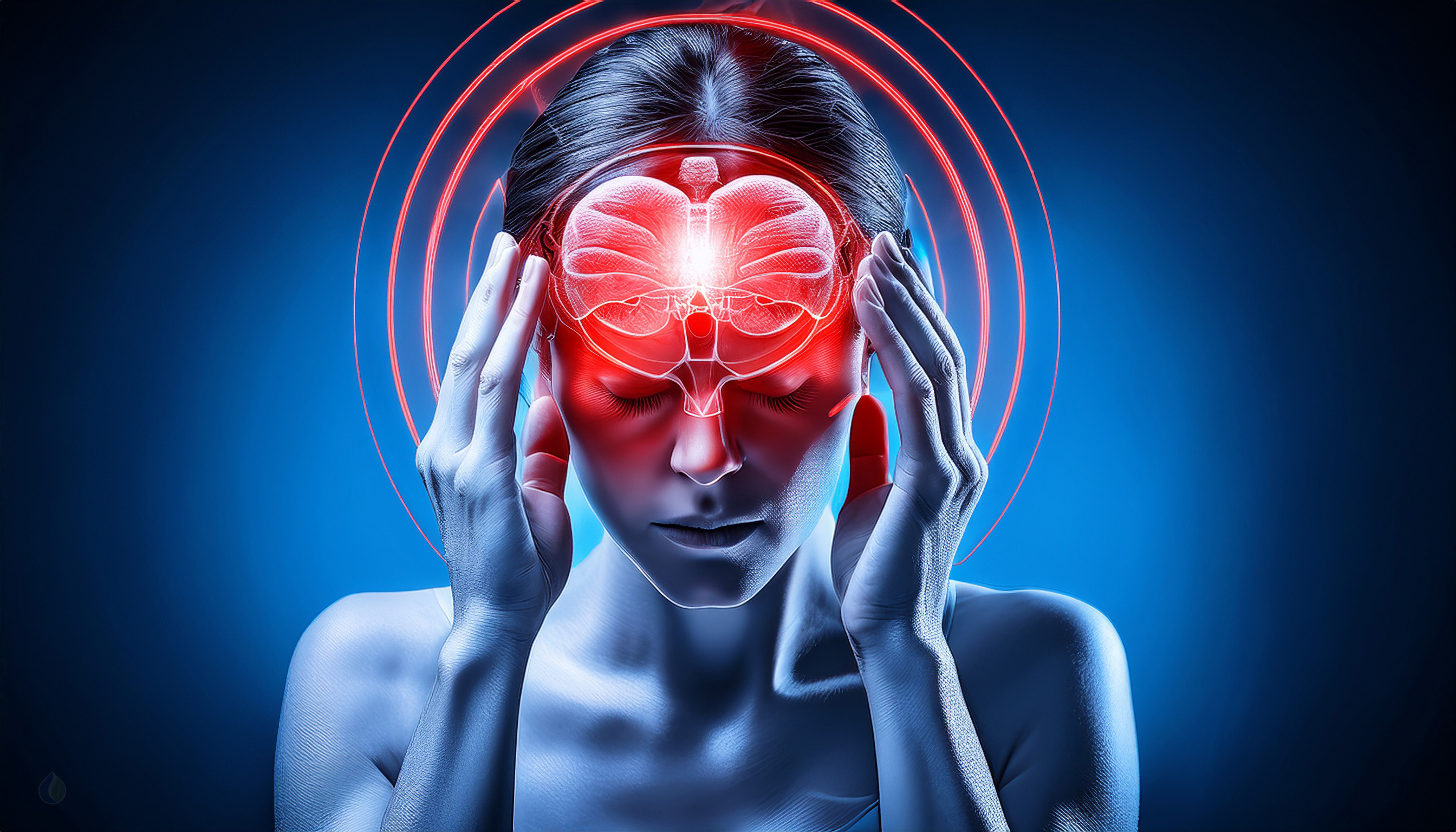
What is migraine?
Migraine is a common, chronic brain disorder characterized by recurring, often severe headache attacks. Unlike ordinary tension headaches, migraines are often accompanied by symptoms such as nausea, sensitivity to light and sound, and sometimes visual or physical warning signs, known as aura. The exact cause of migraine is not yet fully understood, but it is believed to be a combination of genetic predisposition, hormonal fluctuations, impaired processing of stimuli in the brain, and influencing lifestyle factors. Known triggers include stress, lack of sleep, bright light, strong smells, and certain foods such as alcohol, chocolate, and mature cheese.
Common symptoms of migraine
The symptoms of migraine can vary from person to person and from attack to attack, but the most common symptoms are:
Severe, throbbing headache, often on one side of the head
Nausea and sometimes vomiting
Sensitivity to light, sound, and smells
Reduced ability to concentrate during an attack
Sometimes auras: visual phenomena such as flashes of light, zigzag lines, or blurred vision
Tingling or numbness in the arms, hands, or face
The duration of an attack usually varies between 4 and 72 hours
Causes of migraine according to different medical schools of thought
Western medicine: Migraine as a neurological disorder
In Western medicine, migraine is seen as a neurological disorder involving a temporary disruption in the functioning of the brain and blood vessels. Treatment focuses primarily on relieving symptoms during an attack and preventing new attacks. Painkillers, anti-inflammatory drugs, or specific anti-migraine medications such as triptans are often prescribed. In addition, preventive medications such as beta blockers or anti-epileptics can help people who regularly experience severe attacks. Lifestyle advice—such as getting enough sleep, reducing stress, and avoiding known triggers—is also an important part of the approach.
Traditional Chinese Medicine: Migraine caused by an imbalance in energy
In Traditional Chinese Medicine (TCM), migraine is not only seen as a physical complaint, but primarily as an imbalance in the body's energy. An imbalance in liver energy or stagnation of blood circulation is often identified as the cause. These disturbances can be caused by stress, poor nutrition, or emotional strain. Treatment focuses on restoring the free flow of energy (Qi) in the body, including through acupuncture, herbal preparations, and nutritional advice.
Germanic Medicine: Migraine as a result of emotional conflicts
According to Germanic Medicine, migraine is not caused by a physical defect, but by unresolved emotional conflicts that manifest themselves in the body. A migraine attack is seen as a biological reaction to a traumatic event or inner struggle. The body uses the symptoms to signal that something needs to be processed or resolved. Treatment therefore focuses on becoming aware of the underlying emotion and working through the conflict.
Functional Medicine: Migraine Caused by Disruptions in Body Systems
Within functional medicine, migraine is considered a manifestation of disruptions in underlying biological processes. Gut health, hormonal imbalances, blood sugar imbalances, and food intolerances are often considered. Chronic stress and nutrient deficiencies can also play a role. Treatment focuses on identifying the individual cause through extensive analysis and testing. An individualized treatment plan is then developed, focusing on nutrition, lifestyle, supplements, and stress management.
Holistic Medicine: Migraine as a Sign of an Imbalance between Body and Mind
In holistic medicine, migraine is seen as a signal that there is a disruption in the overall balance of body, mind, and emotions. The complaint is not isolated but is considered in conjunction with lifestyle, emotions, relationships, and spiritual well-being. Treatment focuses on restoring this balance through a combination of therapies, such as meditation, yoga, breathing exercises, massage, or coaching. A healthy diet and sufficient relaxation also play an important role.
Epigenetic perspective: Migraines influenced by lifestyle and environment
The epigenetic perspective posits that while our genes play a role in the development of migraines, lifestyle and environmental factors significantly determine whether this predisposition actually leads to symptoms. Stress, diet, lack of sleep, and exposure to toxins can activate or deactivate gene function, thus contributing to the onset of migraine attacks. This approach emphasizes prevention through healthy lifestyle choices: a balanced diet, regular exercise, relaxation, and avoiding harmful influences.
Orthomolecular Medicine: Migraine Caused by Nutritional Deficiencies and Biochemical Imbalances
Orthomolecular medicine assumes that migraines can result from deficiencies in essential nutrients or a biochemical imbalance in the body. Factors such as a deficiency of magnesium, vitamin B2, or coenzyme Q10 are cited as possible causes. In addition, dietary triggers, such as alcohol, chocolate, and certain cheese or meat products, can play a role in triggering attacks. Treatment consists of replenishing missing nutrients with supplements, combined with a modified diet that avoids these personal triggers.
Epigenetic Perspective: Migraine Influenced by Lifestyle and Environment
The epigenetic perspective posits that while our genes play a role in the development of migraines, lifestyle and environmental factors significantly determine whether this predisposition actually leads to symptoms. Stress, diet, lack of sleep, and exposure to toxic substances can activate or deactivate gene function, thus contributing to the onset of migraine attacks. This approach emphasizes prevention through healthy lifestyle choices: a balanced diet, regular exercise, relaxation, and avoiding harmful influences.
Mesology: Migraine as a combination of physical and energetic imbalances
Mesology combines insights from conventional medicine with knowledge from complementary and traditional schools of thought. From this perspective, migraine is seen as the result of both physical and energetic imbalances, which can reinforce each other. During a mesological consultation, medical knowledge, extensive questionnaires, and energetic measurement methods are used to identify the source of the imbalance. This can be related to diet, stress, hormonal fluctuations, or blockages in the energy system. Treatment is always individualized and may include nutritional advice, supplements, herbal remedies, or supportive therapies.
Frequency therapy: Migraine due to disrupted vibrational frequencies
Frequency therapy focuses on optimizing cell communication through vibration. By using specific frequencies, the aim is to bring the body back into harmony and support its natural balance. Although scientific research into its effectiveness is still developing, many users find it a valuable addition to their overall well-being.
Meditech Europe: In Harmony with Your Health
Meditech Europe stands for innovation, quality, and a conscious lifestyle. We offer a carefully curated range of advanced technologies, natural products, and smart solutions that help optimize your environment. Our products are developed with an eye for detail and a focus on balance and efficiency. With years of expertise and a passion for progress, we deliver products that meet the highest quality standards. Meditech Europe is known for a personal approach and expert advice, both online and in-person. Want to learn more about our products and how they can contribute to a balanced lifestyle? Contact us at marijn@meditecheurope.nl.










 Made with