
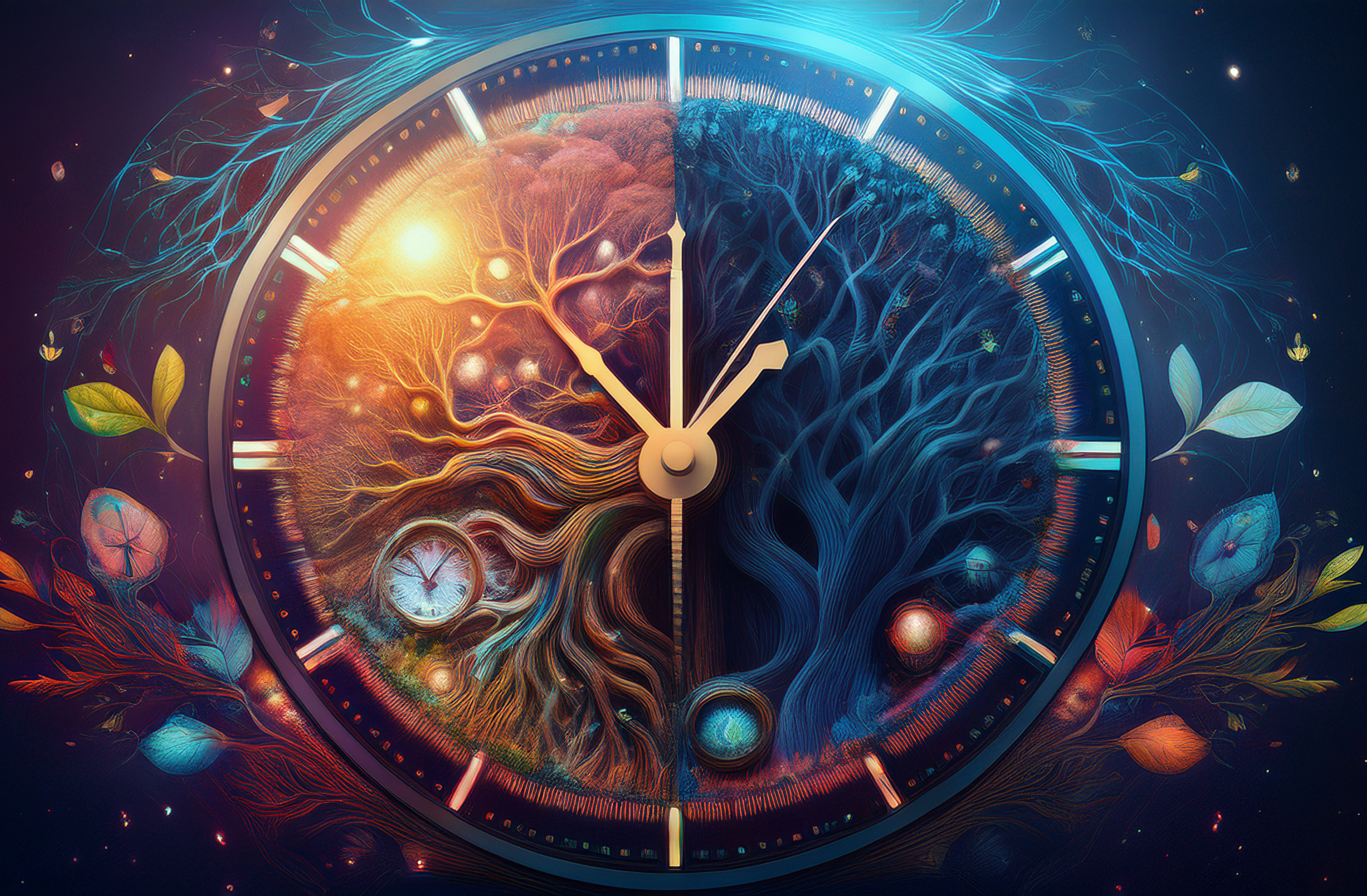
Our bodies run on an ingenious internal clock: the circadian rhythm. This rhythm controls not only our sleep, but also our hormones, energy levels, digestion, and even our mood. What many people don't know is that this biological clock does not run exactly 24 hours. As a result, our rhythm can quickly become disrupted—especially during the darker months, with irregular working hours, or due to excessive screen use. In this blog, you will discover how the circadian rhythm works, why it sometimes becomes unbalanced, and how you can restore your energy, sleep, and well-being through the smart use of light.
What is the circadian rhythm?
The circadian rhythm is an internal 24-hour cycle that determines when you are awake, alert, hungry, and sleepy. It is also known as the biological clock or biorhythm. It is controlled by a small “central clock” in the brain: the suprachiasmatic nucleus (SCN), a small but crucial area in the hypothalamus, deep within the brain. The hypothalamus regulates all kinds of processes such as hormones, body temperature, and energy distribution.
The SCN acts as the master clock: it receives light signals from the eyes and uses them to synchronize all the rhythms in the body (of different organs). This allows your body to know exactly when it needs to be active and when it needs to recover.
Our internal clock does not last exactly 24 hours
Although our society is set up for 24-hour days, the human internal clock deviates slightly from this. Research shows that the circadian rhythm lasts approximately 24.2 hours on average. This may seem like a minor difference, but without external stimuli, your rhythm would shift slightly every day. You would wake up later and later, become sleepy later, and your energy levels would become unbalanced after a few days.
That is why the body needs a strong daily anchor point. Our biological clock is continuously influenced by factors such as light, movement, food, and social interaction. But of all these stimuli, light is by far the most important and powerful. It is the signal that your brain uses to determine where you are in the day, and it is essential for resynchronizing your clock every morning.
Light: the most important way to reset your rhythm
Light is the most important time signal for the biological clock. As soon as light hits the retina in the morning, the eyes send a signal to the suprachiasmatic nucleus (SCN) in the brain: the starting point of your day. This suppresses the production of melatonin, increases alertness, and sets your internal clock forward, allowing you to get up earlier and with more energy.
Without sufficient morning light—such as in autumn and winter or when working indoors—the biological clock receives too little information to reset properly. The result: your rhythm falls behind, you become sleepy later, find it harder to get up, and your energy levels are spread unevenly throughout the day. That is why light therapy, or the targeted use of strong artificial light (with a daylight spectrum), is a powerful way to rebalance your day-night rhythm.
Other important time cues (and how they affect your rhythm)
Although light is the strongest time cue, your biological clock uses multiple signals to determine where you are in the day. These zeitgebers help to stabilize and strengthen your rhythm:
Nutrition: Regular mealtimes give your metabolism clear timing signals and support a healthy daily rhythm.
Exercise: Morning and early evening activity in particular helps to positively regulate hormones, energy, and sleep quality.
Social timing: Working hours, appointments, and daily routines provide structure and keep your rhythm predictable.
Temperature: Small fluctuations in body temperature, for example from showering or exercising, can affect your internal clock. The natural drop in temperature in the evening is important for sleep later on.
Stress & hormonal fluctuations: prolonged stress increases cortisol and can disrupt the internal clock. Hormonal changes (e.g., menstrual cycle, pregnancy, or menopause) also influence the sensitivity of body rhythms.
Together, these factors ensure that your internal clock is better or worse tuned. Your lifestyle therefore has an influence on this.
How does the rhythm become unbalanced?
The circadian rhythm can become unbalanced due to various factors. Common causes are:
Too little morning light: especially in fall and winter, or when working indoors a lot, the body has difficulty getting going “on time.”
Too much artificial light in the evening: screens, bright lights, and blue light shift the rhythm to “later.”
Irregular sleep times: going to bed late, varying bedtimes, or social jet lag (later on the weekend) disrupt the daily reset.
Irregular working hours or shift work: this disorients the internal clock.
Stress and waking up at night: increased cortisol spikes can disrupt the timing of sleep and energy.
Jet lag or traveling across time zones: the body has to resynchronize with a new day-night cycle.
Varying meal times: irregular eating sends conflicting signals to the metabolism.
When these factors come together, your internal biological clock becomes unbalanced, resulting in difficulty getting up, energy dips, and poorer sleep.
How can you optimize your rhythm? (Practical tips)
A healthy circadian rhythm starts with clear, daily signals for your body. These are the most effective ways to strengthen your rhythm:
Get morning light right away
Go outside within 30 minutes of getting up, or use light therapy when outdoor light is insufficient. This sets your internal clock forward and gives you an energetic start to the day.
Maintain regular sleep times
Get up at the same time every day—even on weekends. A stable morning is more important than a perfect evening routine.
Limit bright light and screen use in the evening
Dim your lights, use blue light filters if necessary, and stop screen time at least an hour before bedtime so as not to disrupt melatonin production.
Eat at regular times
Plan three main meals around the same times. Eating late in the evening can shift your biological clock backwards.
Exercise daily, preferably in the morning or early evening
Exercise acts as a natural zeitgeber: it strengthens your rhythm, improves sleep pressure, and supports stable energy levels.
Create a predictable evening routine
Think warm shower, dimmed lights, reading, or relaxation. This helps the body switch to rest mode.
Minimize stress late in the day
High cortisol spikes in the evening can block your sleep. Breathing exercises, meditation, or relaxation help reduce stress.
Bedroom: cool, dark, and quiet
An optimal sleeping environment reinforces the signaling function of the night and keeps your rhythm stable.
Use light therapy when necessary
Especially in winter or when your rhythms are disrupted, controlled bright light can help reset your clock consistently.
Why light therapy works (and when it is particularly valuable)
Light therapy works because strong, focused light sends a powerful signal to the biological clock. It suppresses melatonin, increases alertness, and helps the SCN to precisely align the rhythm with the 24-hour day. This is especially valuable when natural morning light is lacking or insufficient—for example, in autumn and winter, when working indoors, or when your rhythm is already shifted and you have difficulty getting going in the morning. Light therapy also offers an effective way to normalize your energy, mood, and sleep in cases of delayed sleep phase, jet lag, shift work, or winter blues.
The role of innovative lighting solutions in light therapy
Although outdoor light is the most natural form of morning light, in practice it is not always feasible to get enough light at the right time every day. Innovative lighting solutions in the field of light therapy make it possible to effectively apply therapy using light, even when you are on the go or short on time. These portable systems direct light to the right part of the retina without you having to sit still or change your morning routine. This makes it easy to support your circadian rhythm while eating breakfast, reading, working, or even commuting. For many people, this is a practical way to consistently get enough light and improve their rhythm. There are two innovative methods:
Light therapy glasses
Hands-free light therapy glasses that you can easily combine with your morning routine.
Provides powerful, diffused light that reaches exactly the right part of the retina.
Ideal for people who want to reset or strengthen their rhythm without scheduling a separate session.
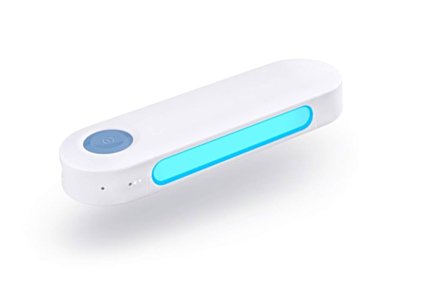
Light therapy lamp Drive 2-in-1
Light therapy for in the car or at work, specially designed for safe use while driving. Or to attach to your monitor at the office.
Perfect for at work or commuting because you don't have time for light therapy otherwise.
Helps you receive consistent morning light, even with a busy schedule.
Frequently Asked Questions
How long does it take to reset your biological clock?
Resetting your biological clock with sufficient light usually takes a few days to a few weeks, depending on how much your rhythm has shifted. Daily exposure to morning light significantly speeds up this process. With a stubborn delayed rhythm, it may take a little longer, but consistent light therapy helps your clock resynchronize faster.
How much light do you need to restore your rhythm?
Intense light is most effective for a noticeable reset of your circadian rhythm. Outdoor light provides this naturally, but in fall and winter, light therapy is a reliable substitute. In the past, this was usually done with a daylight lamp on your desk. Nowadays, the same effect can be achieved with LEDs in, for example, glasses that are closer to your eyes. The most important thing is to get morning light or light therapy within 30 minutes of getting up, for at least 20–30 minutes per session.
Does light therapy help with winter blues and morning fatigue?
Yes, light therapy is a proven way to reduce symptoms of winter blues, gloominess, fatigue, and morning fatigue. The powerful light suppresses melatonin, increases your energy level, and helps your internal clock start earlier in the day.
Conclusion
Our circadian rhythm never runs exactly on a 24-hour cycle, and therefore needs to be adjusted every day. Light plays a particularly important role in this: it helps reset your biological clock and keep your energy, sleep, and mood in balance. Combined with healthy lifestyle factors, this creates a powerful foundation for a stable rhythm.
Innovative lighting solutions such as Luminette 3 – Daylight Glasses or the Drive 2-in-1 light therapy lamp can support this process in a practical way, especially when natural morning light is difficult to obtain.
Meditech Europe sells both models and is happy to advise you on choosing the right product. Do you have any questions or would you like to know what works best in your situation?
Feel free to contact us — we are happy to help.





 Made with