
Zinc is one of those minerals that you often only hear about when there is a deficiency or when your immune system could use a boost. Yet this trace element is essential for countless processes in the body: from a strong immune system and healthy skin to fertility and hormone balance. No wonder people sometimes choose a zinc supplement to support their daily intake. But how do you know if you need extra zinc? What are the real benefits of zinc supplements, and what should you pay attention to when it comes to dosage? In this article, you can read all about the functions of zinc, the symptoms of a deficiency, the different forms of supplements, and possible side effects. This will help you discover, step by step, whether a zinc supplement could be a smart addition for you too.
What is zinc and why is it important?
Zinc is an essential mineral: your body cannot produce it itself and is therefore completely dependent on food and possibly supplements. Although you only need small amounts of it, zinc plays a role in more than 300 enzymatic processes. This means that it is involved in virtually all of your body's basic functions.
Some important functions of zinc are:
Contribution to a normal immune system – supports the normal functioning of the immune system.
Maintains normal hair, skin, and nails – helps keep these tissues healthy.
Normal wound healing – contributes to recovery from minor injuries.
Normal sense of taste – supports the ability to perceive flavors.
Normal fertility and reproduction – essential for fertility.
Because zinc is so versatile, it is often called “the multitasking mineral.” A deficiency can have subtle but also far-reaching consequences, which is why it is important to know how to get enough zinc—through diet or, if necessary, a supplement.
Foods that are naturally rich in zinc
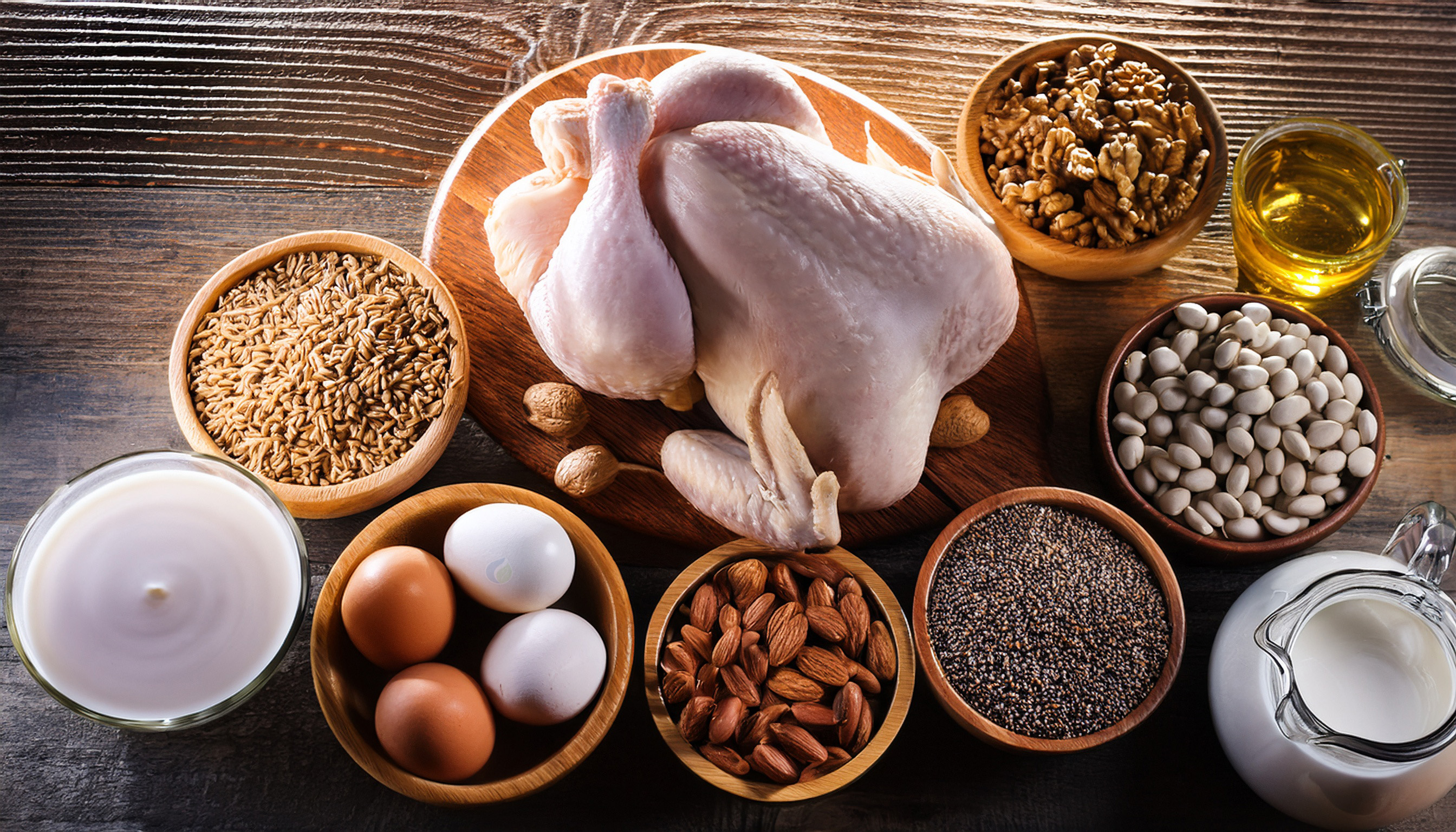
Zinc is found in many products, but the amount varies greatly depending on the source. The most easily absorbed form comes from animal foods. Some good examples:
Oysters and shellfish – absolute leaders in zinc content.
Red meat and poultry – beef and lamb in particular are high in zinc.
Nuts and seeds – such as pumpkin seeds, cashews, and hemp seeds.
Whole grains and legumes – lentils, chickpeas, and beans also provide zinc, although it is less easily absorbed due to the presence of phytates.
Dairy products – cheese and milk provide smaller but useful amounts.
It can be more difficult for vegetarians and vegans to get enough zinc from food alone. In such cases, a supplement can help.
Benefits of zinc supplements
Supports the immune system
Zinc contributes to a normal immune system, which means it contributes to the normal functioning of your immune system. This can be relevant during periods when your immune system could use extra support. Think, for example, of the fall and winter months.
Healthy skin, hair, and nails
Zinc contributes to the maintenance of normal hair, skin, and nails. A supplement can help replenish deficiencies and thus keep these tissues healthy.
Normal wound healing
Zinc plays a role in recovery processes: it contributes to normal wound healing, which is important for minor injuries or skin damage.
Sense of smell and taste
Zinc contributes to a normal sense of taste, allowing you to perceive flavors well. This can indirectly affect appetite and nutritional experience.
Fertility and reproduction
Zinc contributes to normal fertility and reproduction, a function that is important for both men and women.
How to recognize a zinc deficiency
A zinc deficiency can be subtle at first, as symptoms often develop slowly and are easily overlooked.
Possible signs of low zinc intake
Delayed wound healing—because zinc contributes to normal recovery.
Changes in skin, hair, or nails – brittle nails, hair loss, or dry skin may indicate insufficient zinc, as zinc contributes to normal hair and skin.
Impaired sense of taste – zinc contributes to a normal sense of taste, so a deficiency can sometimes lead to impaired taste perception.
Reduced fertility – zinc contributes to normal fertility and reproduction, so deficiencies can affect reproductive function.
Risk groups for zinc deficiency
Some groups are at greater risk of low zinc intake:
Vegetarians and vegans – plant sources often contain less easily absorbed zinc.
Older people – due to reduced absorption or lower intake through food.
People with certain medical conditions – such as gastrointestinal diseases that impair absorption.
Pregnant and breastfeeding women – have a higher need for zinc.
Tip: If you are unsure about a deficiency, a certified laboratory test can provide insight into your zinc status.
How much zinc do you need per day?
The amount of zinc you need each day depends on your age, gender, and stage of life. In the Netherlands, the Health Council of the Netherlands has set a recommended daily allowance (RDA).
Children aged 1–3 years: 3.0 mg
Children aged 4–8 years: 5.0 mg
Boys aged 9–13 years: 8.0 mg
Girls aged 9–13 years: 8.0 mg
Men 14 years and older: 11 mg
Women 14 years and older: 8 mg
Pregnant women: 11 mg
Breastfeeding women: 12 mg
In addition to the recommended daily allowance, there is also an upper limit for safe intake. This has been set to prevent prolonged excessive zinc intake, which can be harmful. For adults, this is 25 mg per day. For children, it is between 7 and 22 mg per day, depending on their age. Excessive zinc intake over a longer period of time can lead to symptoms such as nausea, diarrhea, and in some cases, copper metabolism disorders.
Best forms of zinc supplements
Zinc supplements are available in various compounds, each of which differs slightly in terms of absorption and tolerability. In general, organic compounds are more easily absorbed than inorganic ones. Commonly used forms include zinc picolinate, zinc bisglycinate, zinc gluconate, and zinc citrate. Zinc methionine, in which zinc is bound to the amino acid methionine, is also known for its good bioavailability.
Another commonly used variant is zinc oxide. This inorganic form is often cheaper, but its absorption by the body is often lower. Which form you choose depends on your personal preference, tolerability, and the dosage that suits you. It is important to choose a product that is transparent about its content and quality.
Possible side effects and interactions
Zinc is safe when used in accordance with the recommended daily allowance, but excessive intake can lead to stomach problems, diarrhea, or, in the long term, a disruption of the copper balance.
It is also important to take medication into account: zinc can reduce the absorption of some antibiotics and rheumatism medication. It is therefore advisable to consult a doctor or health professional if you are taking medication and considering a zinc supplement.
Practical tips for using zinc supplements
It is best to take a zinc supplement with a hot meal, as absorption is better in combination with animal proteins and is less inhibited by phytates in bread and grains.
Zinc can sometimes cause mild stomach upset if taken on an empty stomach, so it is best to take it during or after a meal. Also note that zinc can affect the absorption of certain medications, such as antibiotics and rheumatism medication. Therefore, always leave a few hours between taking medication and a supplement. Consult a health professional or doctor if you are taking medication.
Finally, choose a form that is well tolerated, such as picolinate, bisglycinate, gluconate, or methionine.
Conclusion
Zinc is a versatile trace element that contributes to a normal immune system, healthy skin, hair, and nails, normal wound healing, sense of taste, and fertility. Rich sources include oysters, meat, poultry, nuts, seeds, and legumes.
People who need to pay extra attention to their zinc intake include vegetarians, vegans, the elderly, and women during pregnancy and breastfeeding. When choosing a zinc supplement, it is important to select an appropriate dosage and a form that is easily absorbed.
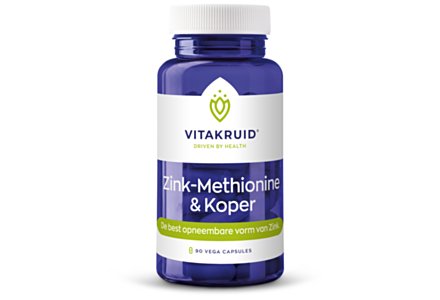
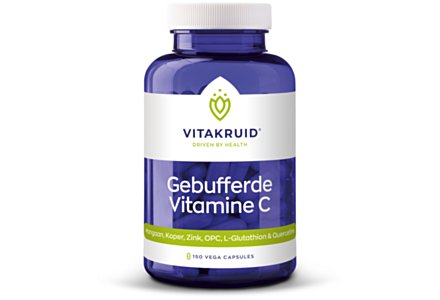
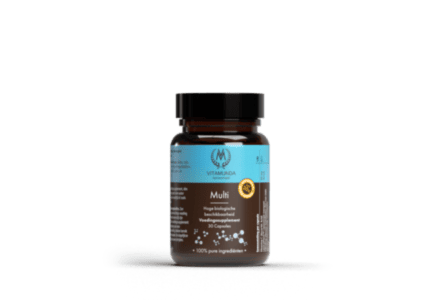
At Meditech Europe, you will find various high-quality zinc supplements, such as Vitakruid Zinc Methionine with Copper. Zinc is also an important component of various multivitamins, such as Vitamunda Liposomal Multi, and is included in our Buffered Vitamin C.
Do you have any questions or would you like personal advice on which supplement is best for you? Feel free to contact us—we are happy to help.
Disclaimer: A dietary supplement is not a substitute for a varied diet and a healthy lifestyle. It is important to consult a health professional if you are unsure about the dosage and use of zinc supplements.





 Made with